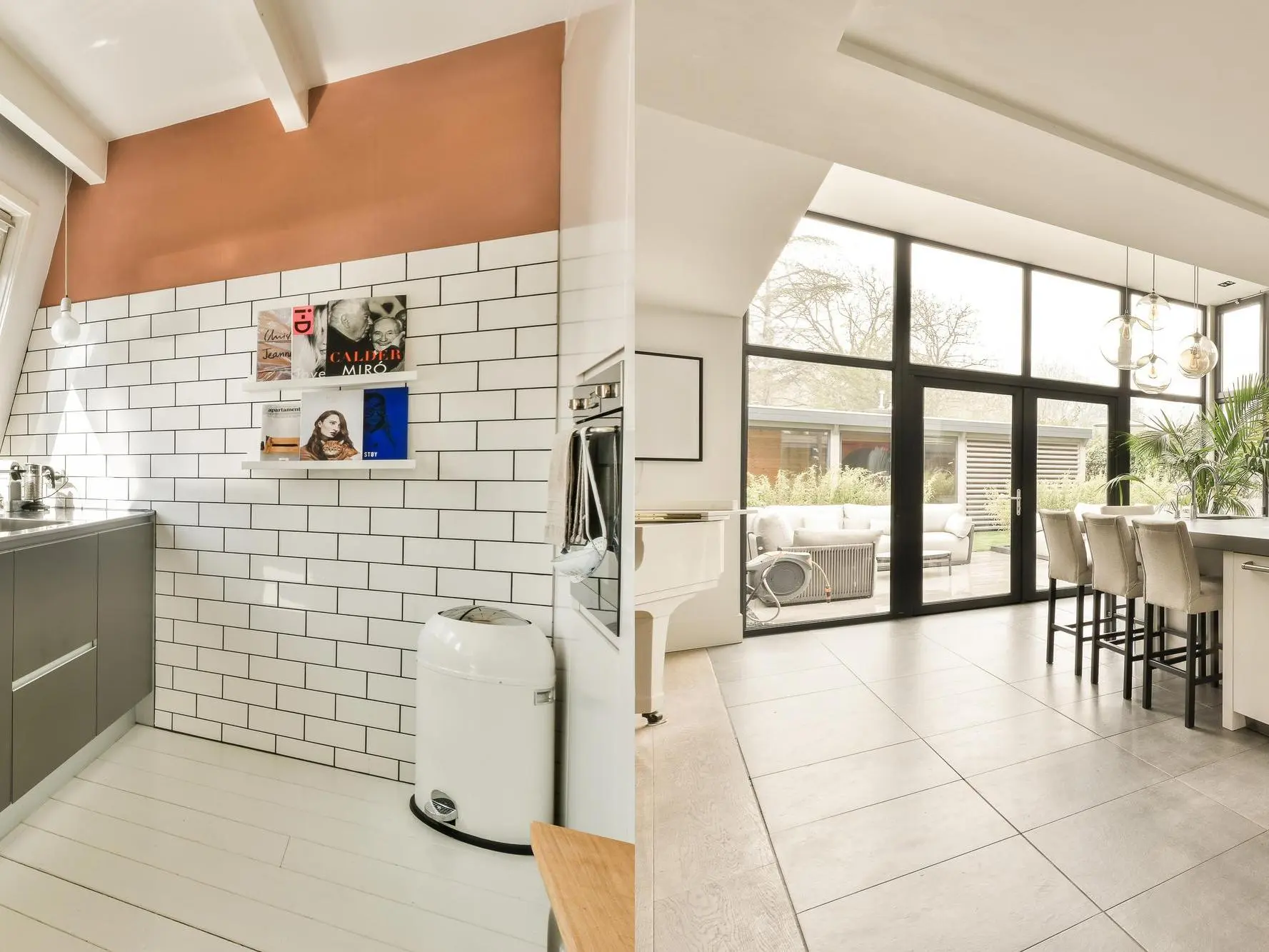
Galley vs Open Kitchen Layout: Choose the Right Fit

Comparison of open kitchen with island and modern galley layout
Explore how galley and open kitchen layouts compare—from workflow and storage to social spaces and lighting—so you can pick the layout for your lifestyle.

Table of Contents

Choosing between a galley kitchen and an open kitchen layout is one of the most important steps in designing a functional home. A galley kitchen uses two parallel counters or a single wall to create an efficient cooking corridor—perfect for smaller spaces that prioritize workflow.

In contrast, an open kitchen removes barriers and connects seamlessly with living or dining areas, creating a bright, social atmosphere. Understanding these layouts helps you balance space, function, and lifestyle needs, ensuring your kitchen fits both your home’s layout and how you truly live and cook every day.

Understanding the Galley Kitchen Layout

Warm wood galley kitchen with built in breakfast counter

A galley kitchen—also known as a corridor or parallel layout—arranges cabinets, countertops, and appliances along two facing walls or one single wall. This design focuses on efficiency and streamlined workflow.

Advantages:

  • Efficient cooking flow: Everything is within arm’s reach, making meal prep faster.

  • Space-saving design: Perfect for narrow homes or apartments where every centimeter counts.

  • Ample storage: Vertical cabinetry and dual counters offer generous storage and workspace.

Disadvantages:

  • Limited space for multiple users: It can feel crowded when two or more people cook together.

  • Enclosed feeling: Without windows or openings, the layout may seem tight or boxed in.

  • Traffic constraints: With entry points at both ends, it can become a walkway rather than a dedicated cooking area.

Pro tip from an electrical perspective:
Because galley kitchens are compact, electrical planning must be strategic. Install outlets evenly along both sides to avoid extension cords, and use under-cabinet lighting to brighten the corridor feel. Proper ventilation and dedicated circuits for high-power appliances are essential to maintain safety and comfort.

Understanding the Open Kitchen Layout

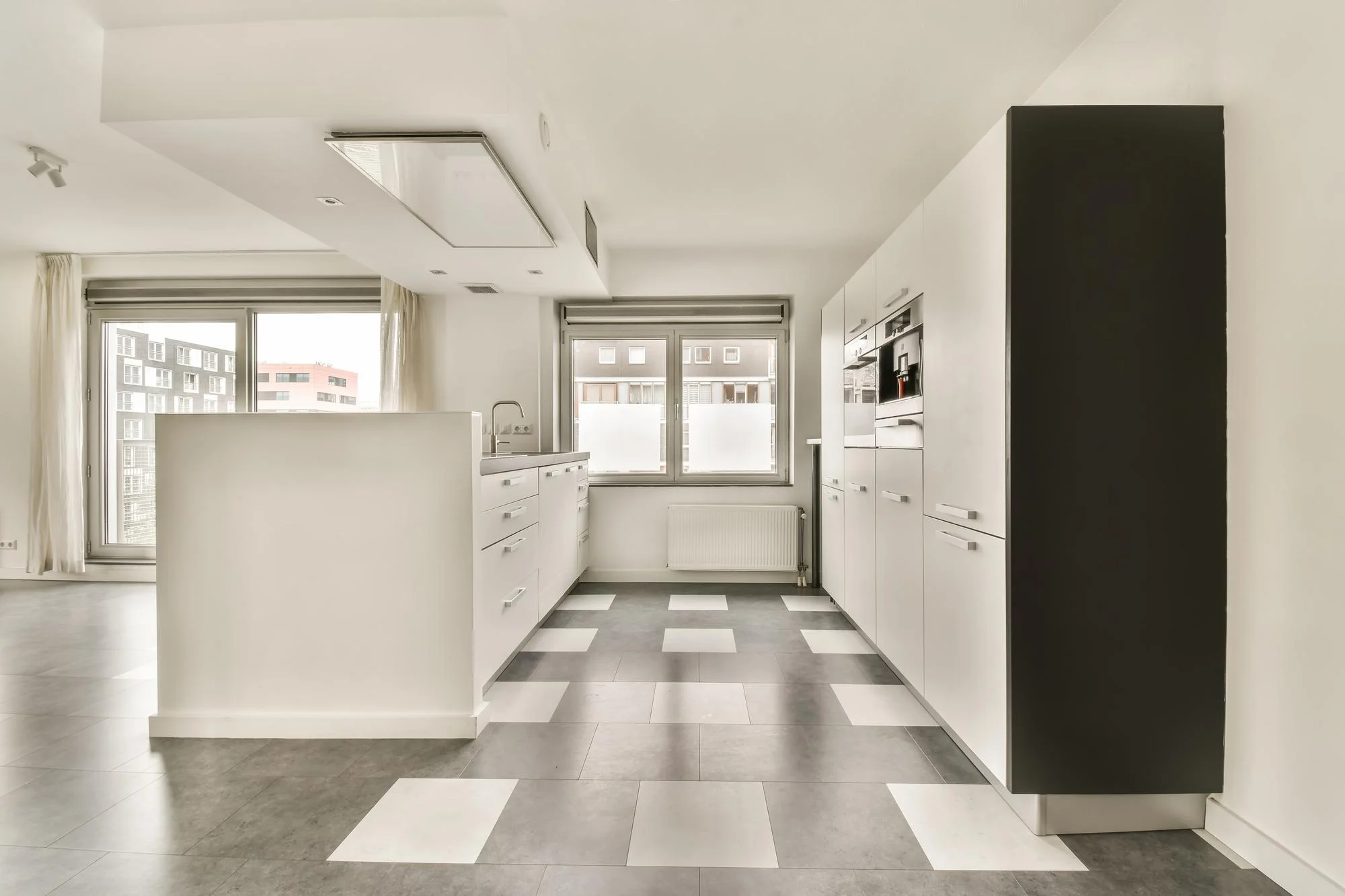
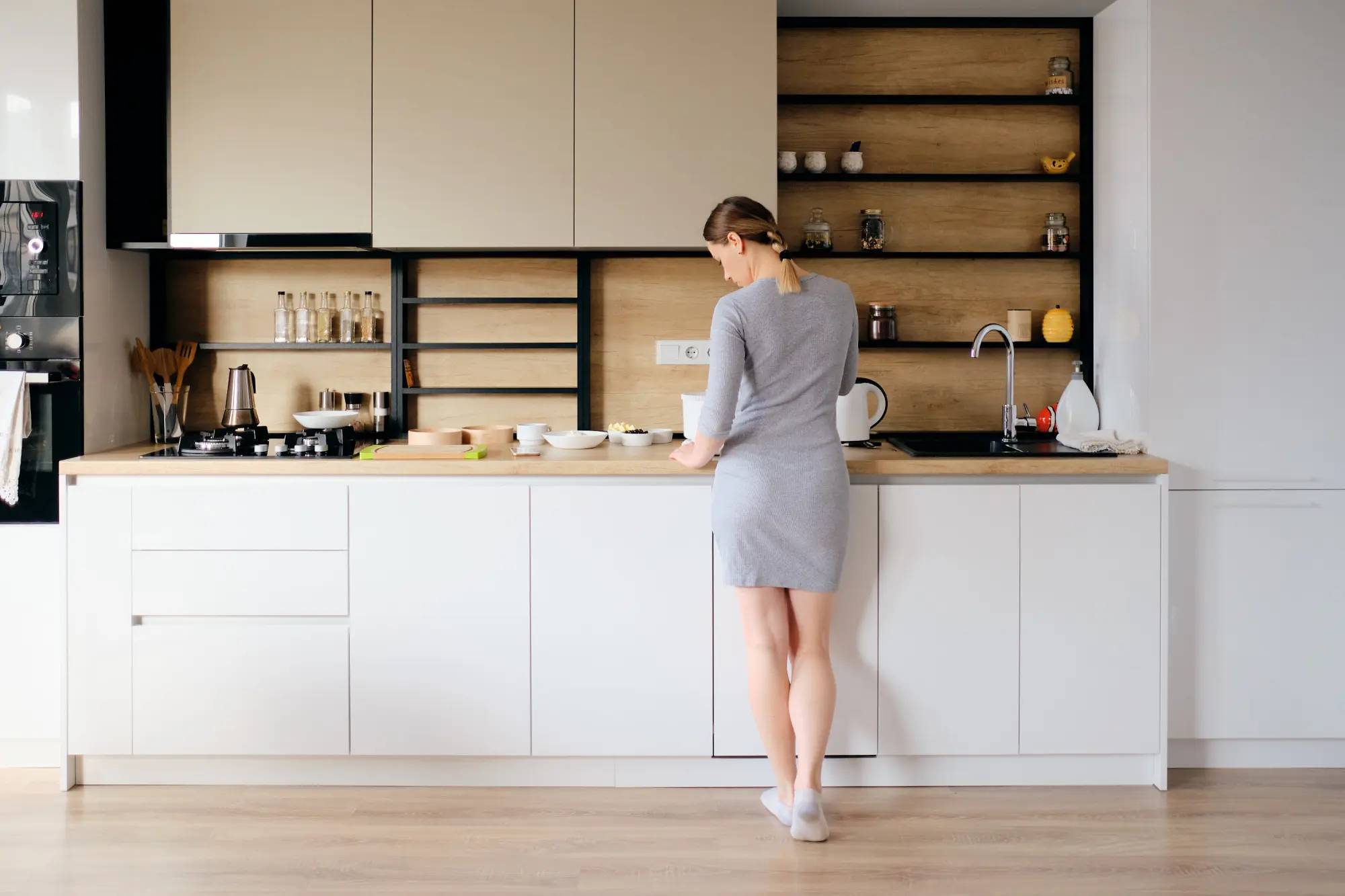
Straight Kitchen in Open Plan Living Seamless Transition Modern Straight Kitchen Design Ideas

An open kitchen removes barriers between the kitchen, dining, and living areas, creating a single connected space. This design works beautifully in modern homes, especially where entertaining and family interaction are priorities.

Advantages:

  • Encourages social connection: The cook can chat with guests or family while preparing meals.

  • Bright and spacious: Natural light flows freely, making the area feel larger and more welcoming.

  • Flexible design: You can add islands, breakfast bars, or seating areas that blend seamlessly with your living space.

Disadvantages:

  • Reduced storage and wall space: With fewer walls, you lose cabinet and shelving opportunities.

  • More complex planning: You’ll need clear zones for cooking, dining, and relaxation to avoid clutter.

  • Noise and smell transfer: Without walls, cooking sounds and aromas can easily spread throughout the home.

Professional insight:
Electrical and lighting design in open kitchens requires careful zoning. Add separate lighting circuits for task areas, accent zones, and dining spaces. Consider quieter appliances, ducted range hoods, and dimmable lighting to maintain a calm, unified atmosphere across the open plan.

Key Comparison Factors

FactorGalley KitchenOpen KitchenHybrid / Transitional
Best fitNarrow or compact homesOpen-plan, entertaining, larger familiesGalley opening to dining/living; defined cook zone in open plan
Workflow feelHighly efficient, minimal stepsComfort-first; add island to optimizeEfficient core with partial openness
Space & storageTwo runs, tall cabinets, long countersLess wall space; rely on island/pantryMixed: one run closed storage + open shelving
Social useFocused cooking, mess out of sightCook, dine, and socialize togetherConversation access with controlled clutter
Lighting strategyRecessed + under-cabinet task lightingMultiple zones: ambient, task, accentTask lighting in cook zone; ambient to living/dining
Outlet planningEvenly spaced along both runsWall + island outlets; flexible circuitsWall outlets in galley run; island/bar as needed
VentilationPriority if enclosed; strong extractionDucted hoods to limit odors spreadingZoned extraction near cook area
AcousticsMore contained noiseNeeds mitigation (quieter appliances, soft finishes)Controlled noise near cook zone
Renovation impactLower cost; minimal structural changeHigher cost; wall removal, rerouting servicesSelective openings; moderate cost

When comparing galley and open kitchen layouts, it’s important to look beyond appearance. The right layout affects how you cook, move, interact, and even how your home feels day to day. Let’s break down the key factors that truly matter when choosing between the two.

Workflow & Ergonomics

Galley kitchen layout diagram with parallel counters

The galley kitchen is built for efficiency. Everything—sink, cooktop, and refrigerator—is close together, forming a tight and practical “work triangle.” You can move between tasks with minimal steps, which makes cooking fast and convenient. This setup is ideal for people who cook often and prefer an organized flow.

An open kitchen, while more spacious, may spread appliances farther apart. It prioritizes comfort and social space over strict efficiency. However, careful planning—like adding an island with a sink or cooktop—can restore balance to the workflow without losing the open feel.

Space & Storage

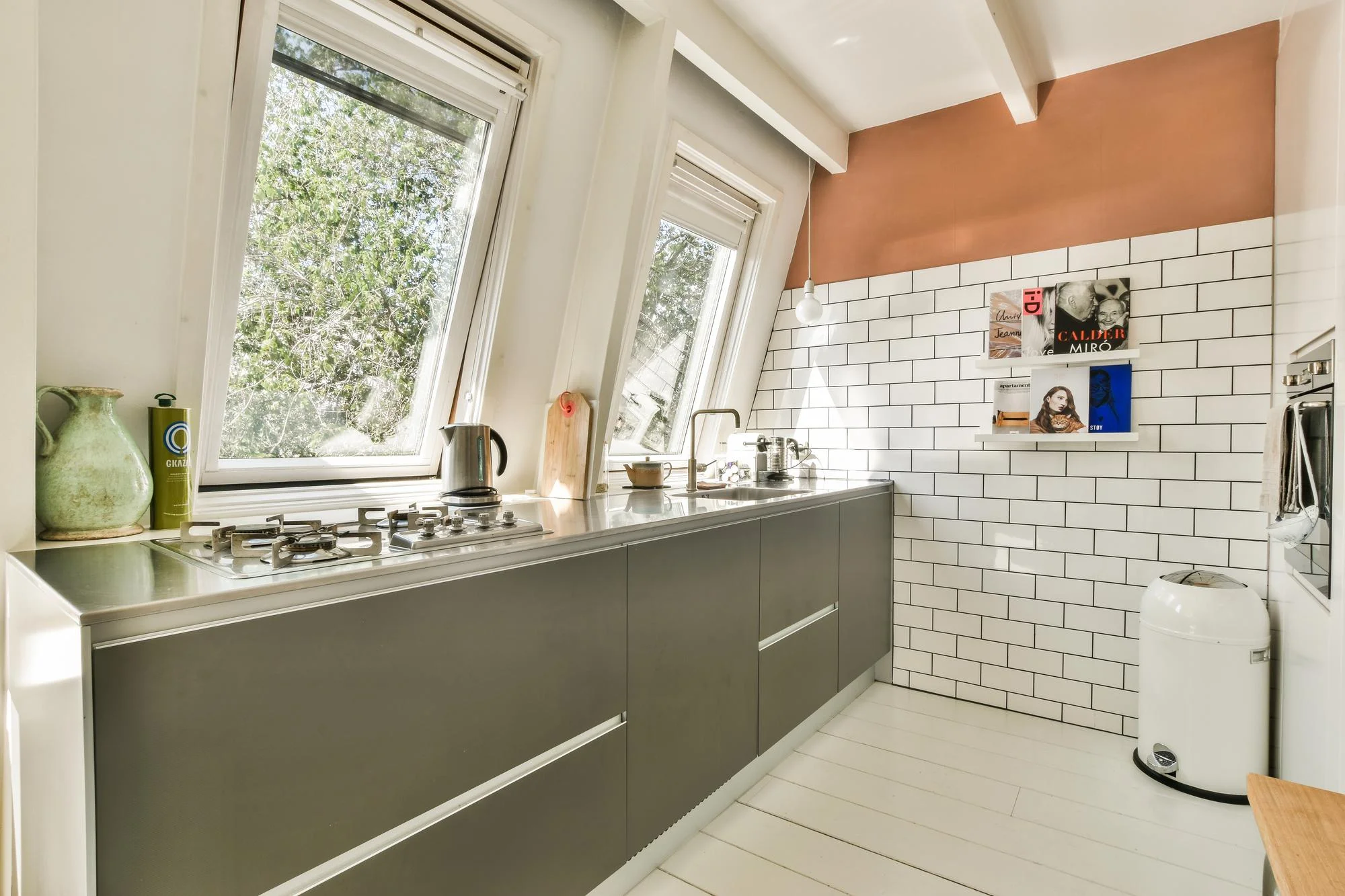
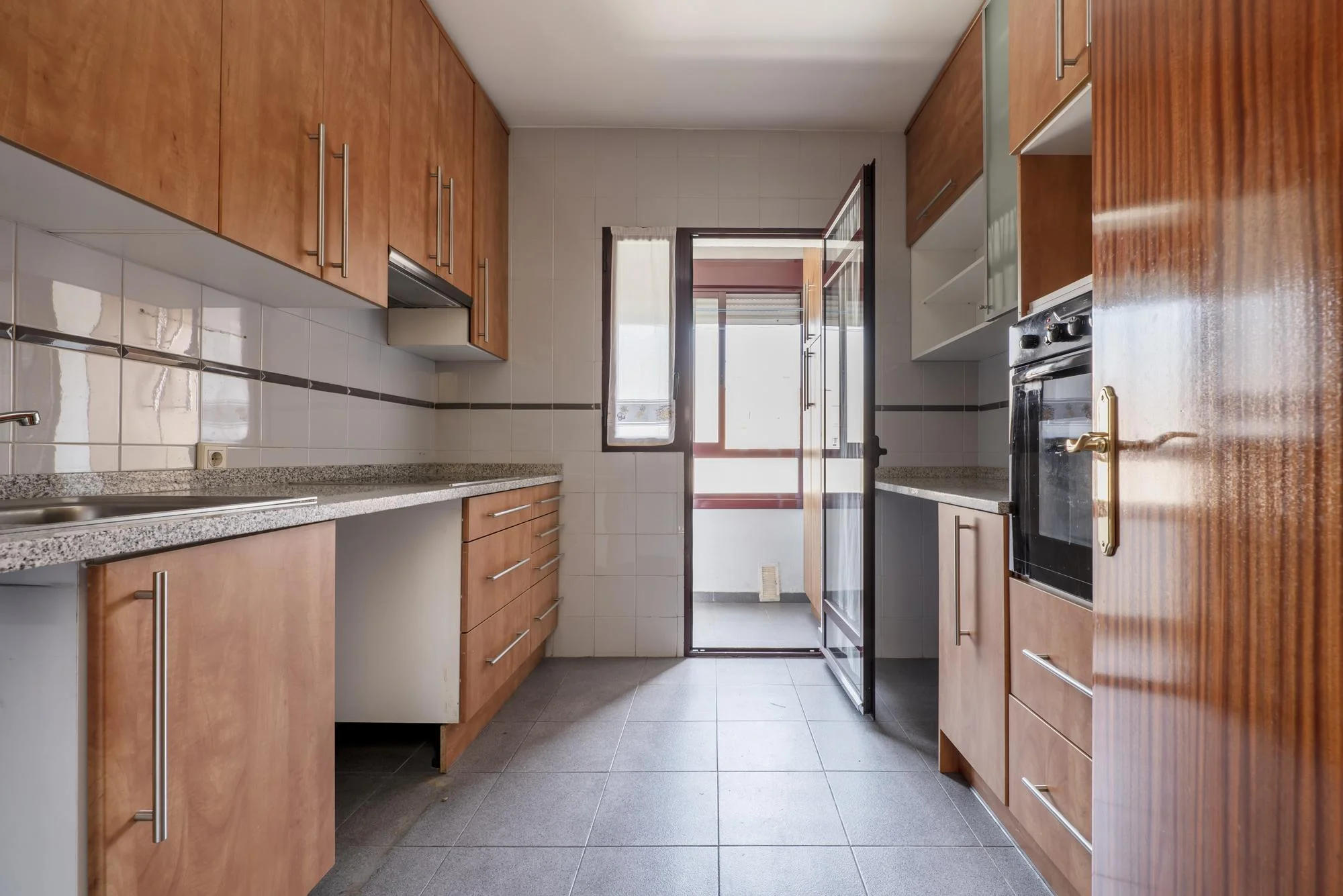
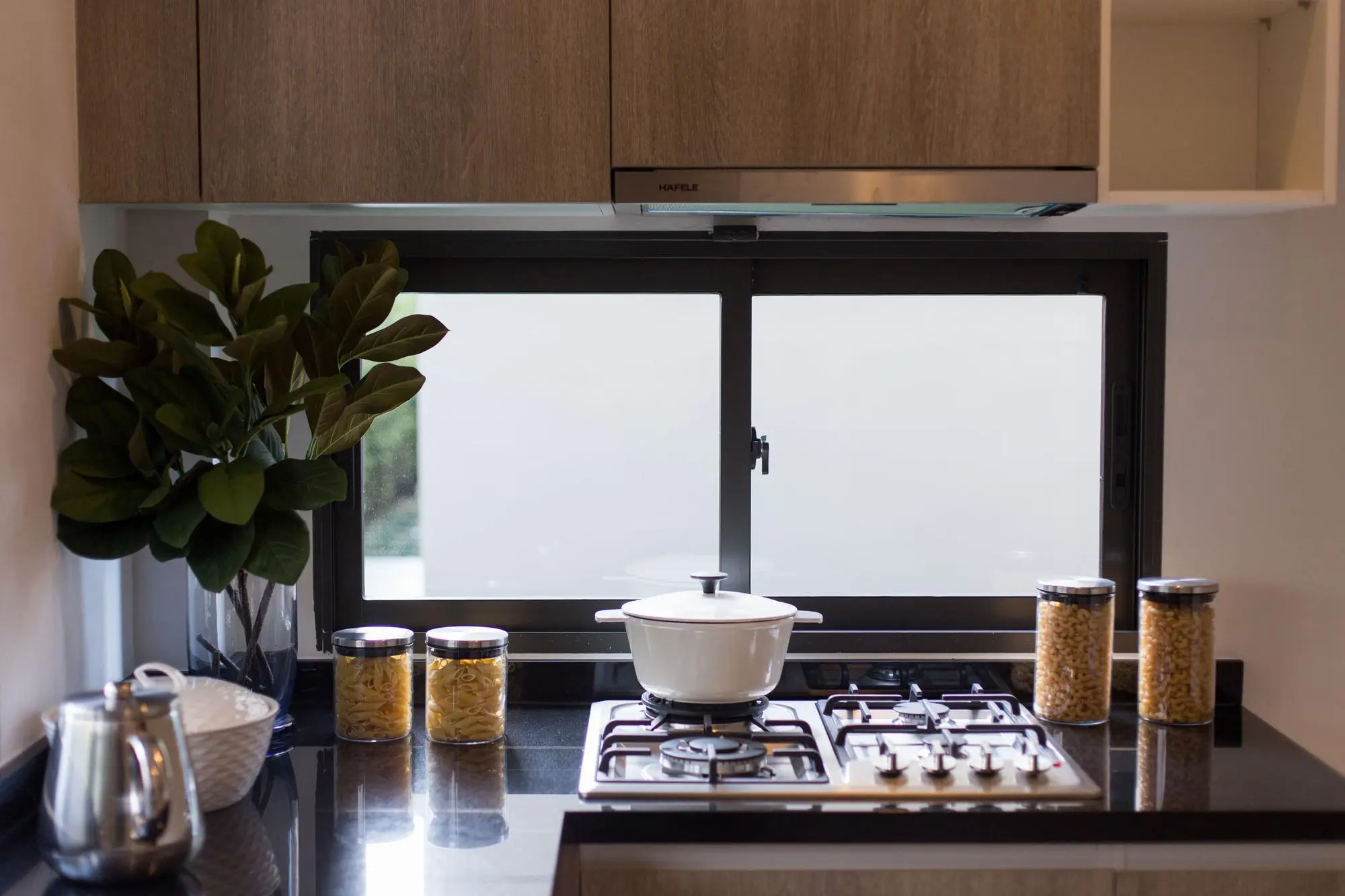
Compact galley kitchen with window and wall shelves

Galley kitchens make the most of limited space. With cabinets on one or both sides, they provide generous storage and long, continuous counters. Vertical design—like full-height cabinets or ceiling-mounted shelves—can multiply usable space without expanding the footprint.

Open kitchens, on the other hand, sacrifice some wall space to maintain openness. While they look airy, you’ll have fewer upper cabinets. Many homeowners add a large island to replace that lost storage and counter area. The result is a trade-off between spaciousness and capacity.

Social Context & Living Style

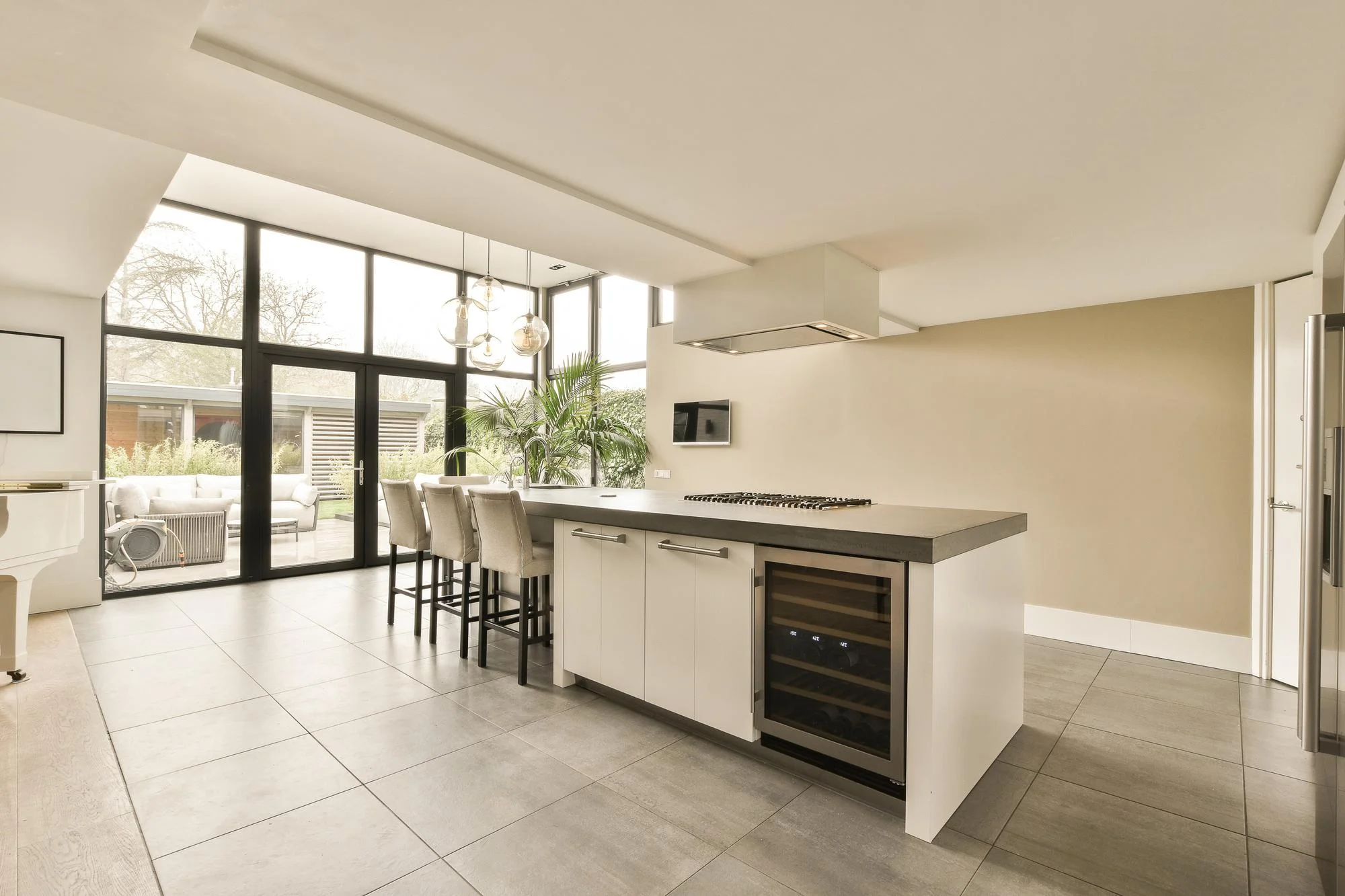
Stylish kitchen island with white stools and grey finish

If you love entertaining, the open kitchen wins easily. It lets you cook while chatting with guests or watching kids in the living area. The space feels communal and connected, making it perfect for modern, social households.

In contrast, a galley kitchen offers a more private, focused cooking environment. It separates the prep area from the living space, which can be an advantage for serious cooks who prefer less distraction or want to keep messes out of sight.

Lighting & Visibility

Modern open kitchen with marble island and wood cabinets

Open kitchens naturally invite more daylight. With fewer walls, light from nearby windows or glass doors spreads evenly, brightening the entire space. Sight lines are wider too, which helps smaller homes feel more open and unified.

Galley kitchens rely on targeted lighting. Recessed ceiling lights, under-cabinet strips, and task lighting are essential to prevent shadows and make the narrow space feel inviting. Proper electrical planning is key—adding dimmers or reflective finishes can enhance brightness without harsh glare.

Cost & Renovation Implications

Installing wooden flooring panels during renovation

A galley layout is generally more cost-effective to build or remodel. It uses less material, requires fewer structural changes, and simplifies electrical and plumbing runs. The layout is compact, which means less flooring, cabinetry, and lighting are needed.

An open kitchen often involves removing walls, rerouting wiring, and extending ventilation or flooring into adjoining areas. While the investment is higher, the payoff comes in lifestyle value—more light, openness, and social connection.

Which Layout Fits Your Home?

Floor plan showing open kitchen with dining and mud zone

Every kitchen layout should serve your lifestyle, not the other way around. When deciding between a galley and an open kitchen, it helps to look at how your space is structured and how you like to cook, host, or relax at home.

For narrow or compact homes, the galley kitchen is a smart choice. Its streamlined design fits easily into small footprints and focuses on efficiency. Every appliance, outlet, and counter zone is within reach, making it perfect for daily cooking without wasted movement.

For open-plan homes or families who entertain, an open kitchen feels natural. It connects cooking, dining, and living areas into one flowing space where you can socialize while preparing meals. Islands often serve double duty here—extra workspace by day, gathering spot by night.

Electrical & Design Considerations for Both Layouts

Electrical wiring and lighting plan for home layout

No matter which layout you choose, safe and efficient electrical design is essential. The goal is to make your kitchen both functional and comfortable.

For galley kitchens:

  • Plan lighting carefully to brighten narrow aisles—use recessed ceiling lights and under-cabinet LEDs.

  • Space outlets evenly along both runs for convenient appliance access.

  • Ensure proper ventilation and exhaust if the space is enclosed to avoid trapped heat and humidity.

For open kitchens:

  • Design multiple lighting zones—ambient for the living area, task lighting for prep zones, and accent lights for dining.

  • Provide power access to the island for mixers, cooktops, or chargers.

  • Consider acoustic control, like soft finishes or range hood insulation, to minimize noise spreading through the open space.

Shared professional tip:
Plan all lighting layers (ambient, task, and accent) and power outlets before cabinetry installation. It saves cost, improves safety, and ensures the kitchen’s electrical layout enhances both beauty and usability.

Ready to Plan Your Ideal Kitchen Layout?

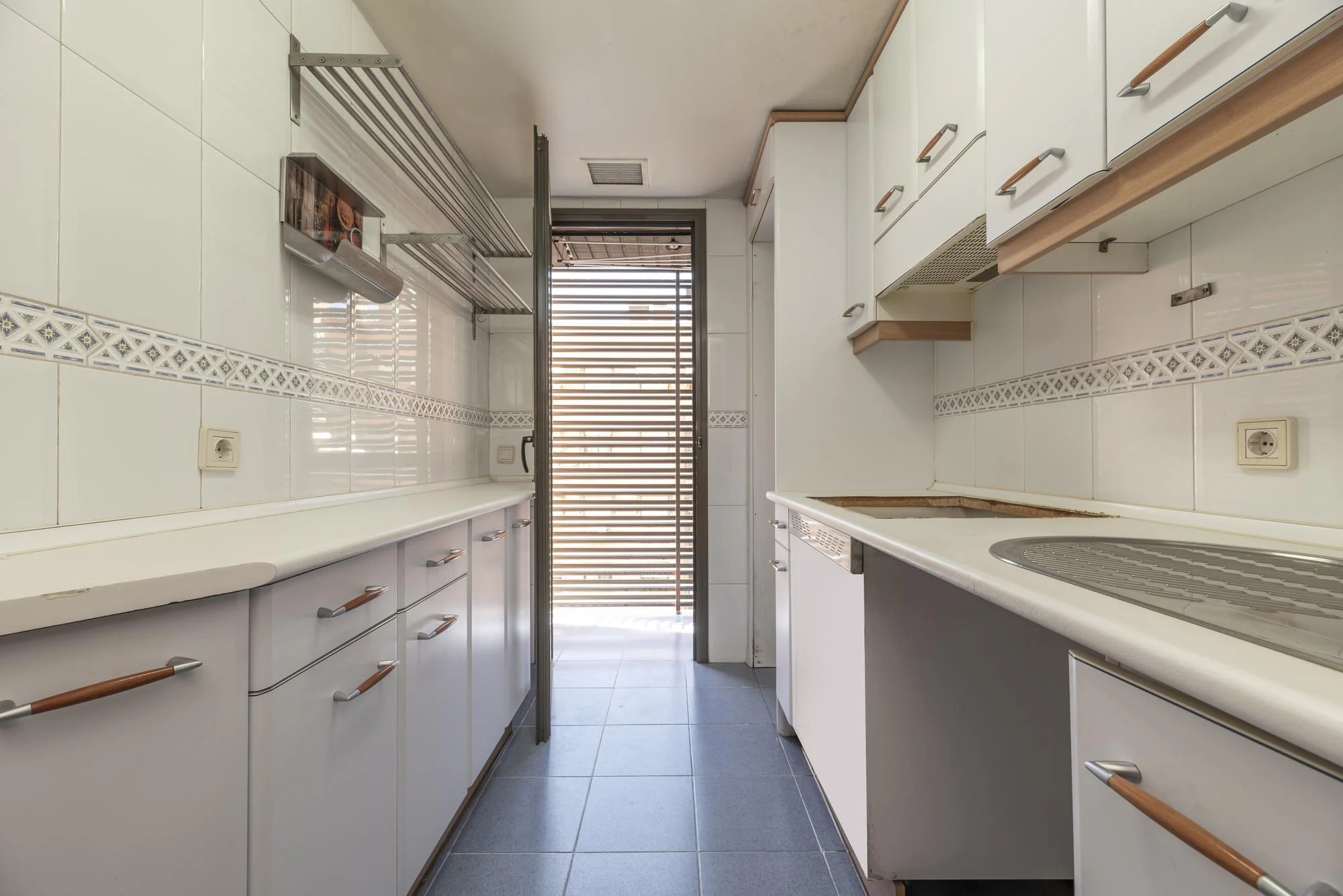
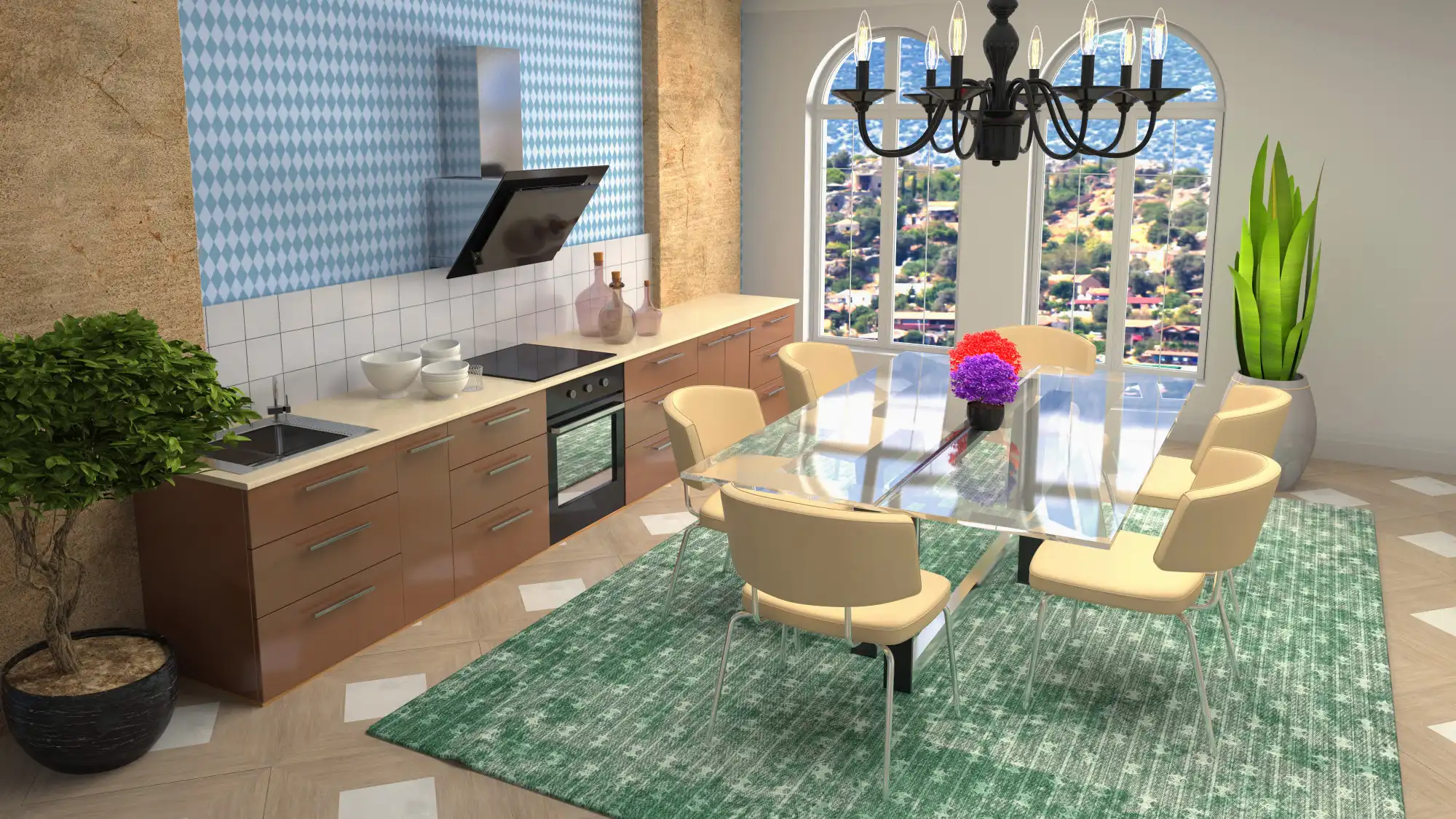
Contemporary galley kitchen with blue countertops and oven

Whether you’re leaning toward the efficiency of a galley kitchen or the openness of a social kitchen, smart design starts with the right electrical and lighting plan. Our professional team can help you optimize wiring, plan energy-efficient lighting, and create a safe, functional kitchen tailored to your space. Contact us today to discuss your project and get expert guidance from concept to installation.

FAQs

What is the difference between an open kitchen and a galley kitchen?

A galley kitchen features two parallel runs or a single wall layout focused on efficiency in narrow spaces, while an open kitchen layout merges cooking, dining and living zones into one spacious, social area.

What are the disadvantages of a galley kitchen layout?

Galley kitchens can feel cramped for multiple users, offer limited counter and storage space, and may require added lighting and ventilation to prevent tight or dark conditions.

Why are open kitchens going out of style?

Open kitchens are evolving rather than disappearing; issues such as noise, smell transfer, and the need for distinct zones are making homeowners rethink fully open layouts in favour of more flexible or partially enclosed designs.

Is a galley kitchen layout efficient?

Yes—galley kitchens are highly efficient because their compact, linear design keeps everything within reach and minimizes movement, making them ideal for smaller homes or focused cooking zones.

Related Posts

Share the Post: