

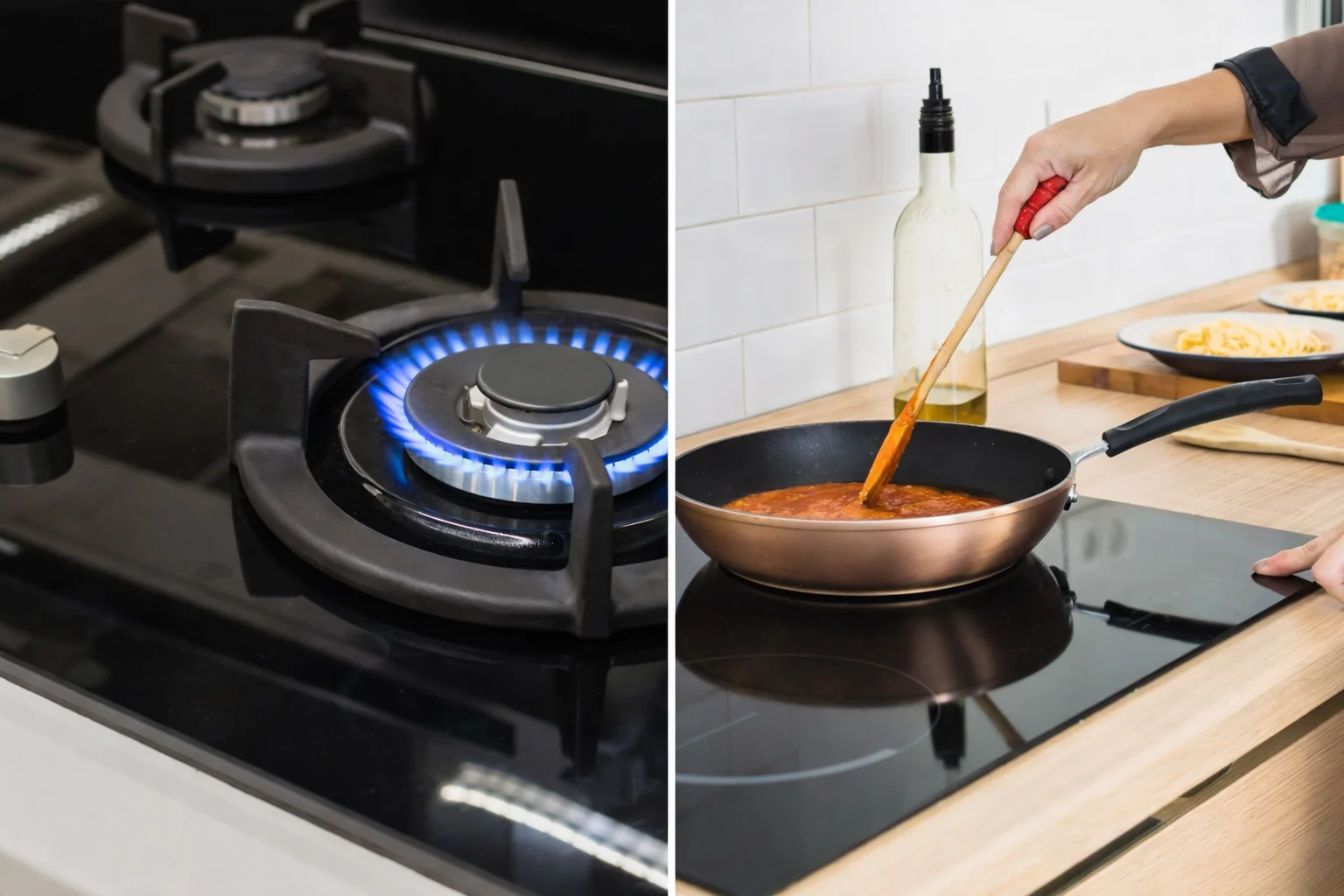
What Is a Gas Stove?
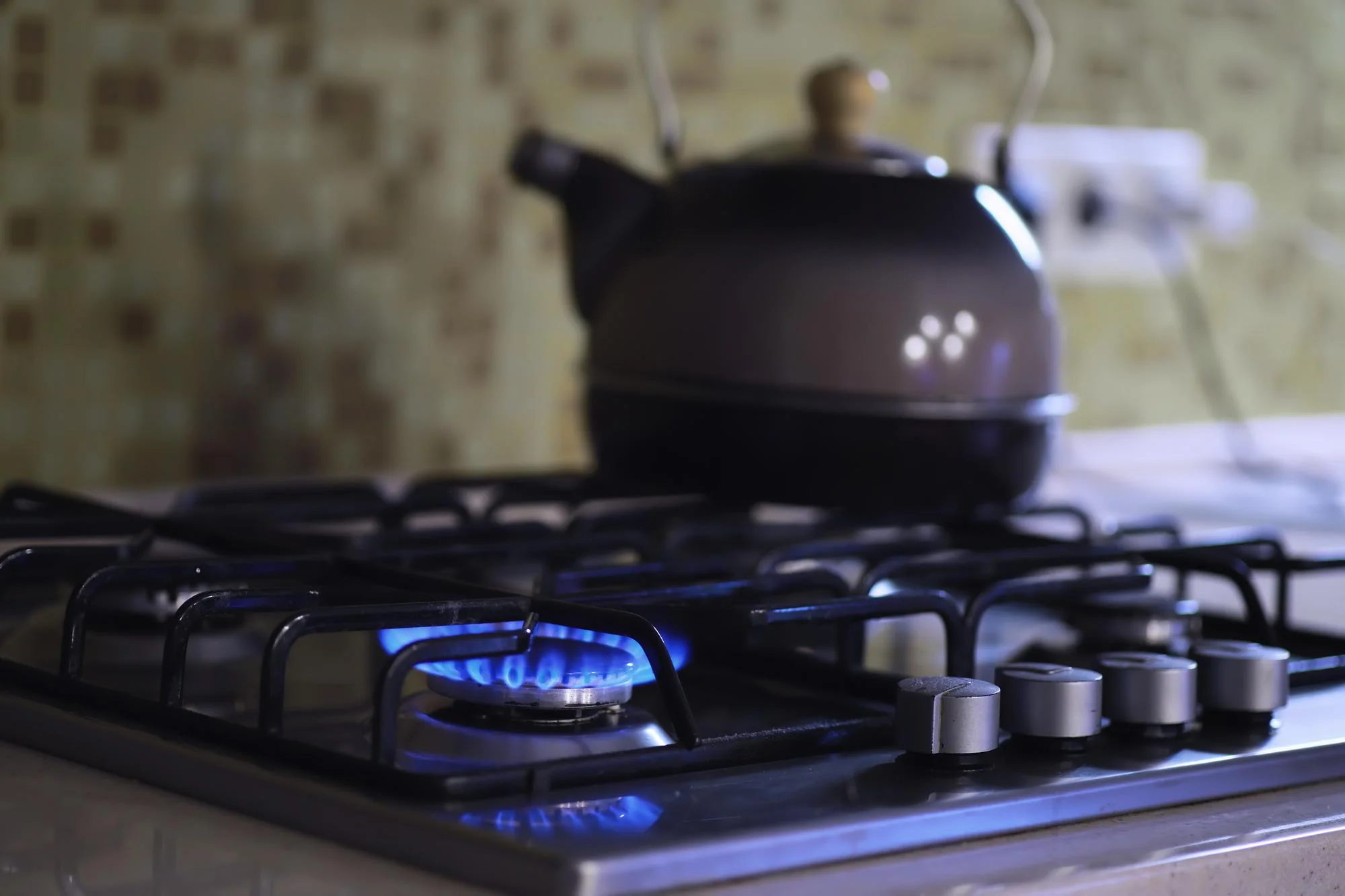
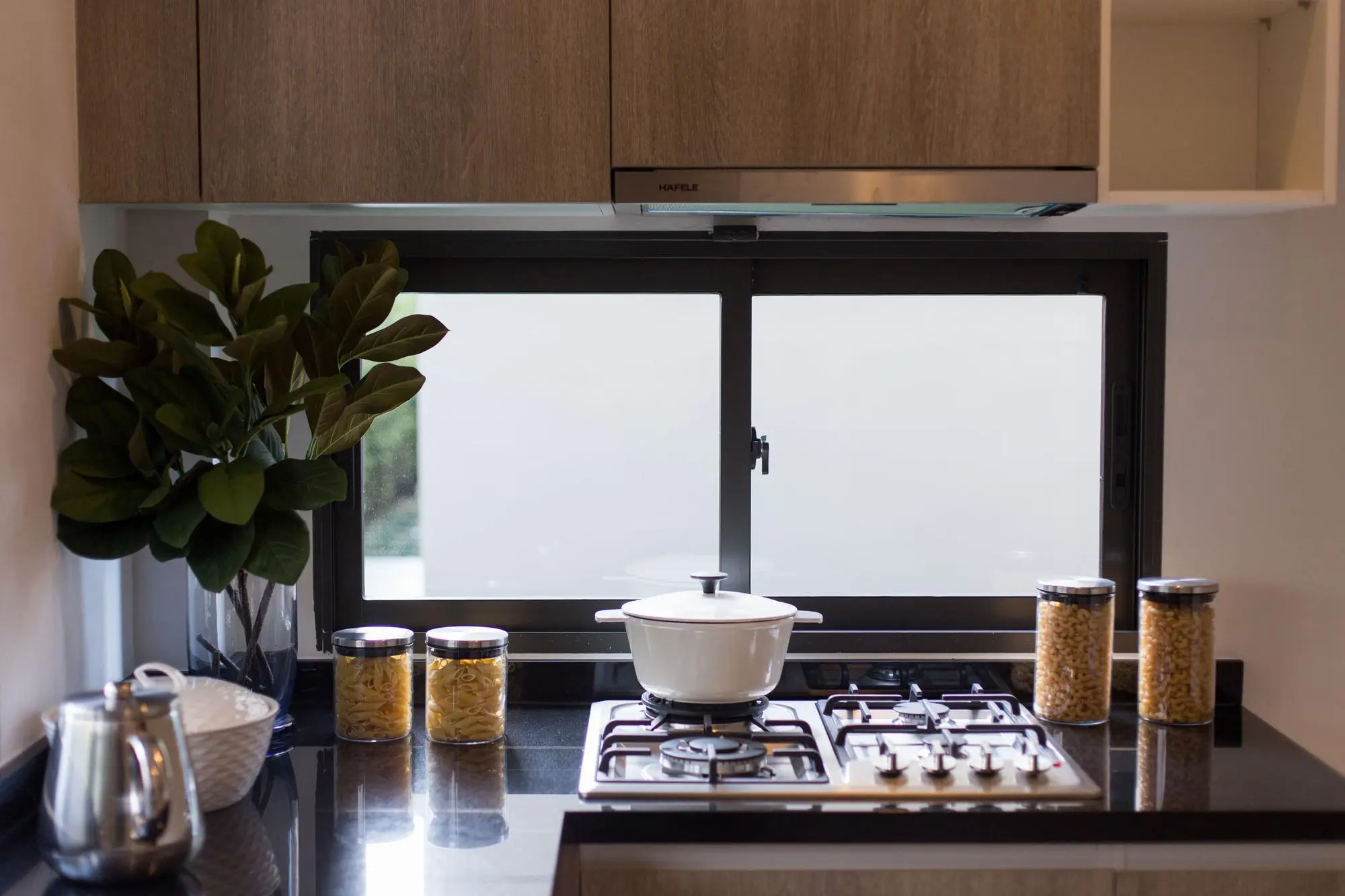
A gas stove uses natural gas or propane to create an open flame for cooking. The burners light instantly, and the oven is powered by gas as well. This setup has been a kitchen favorite for decades.
What people love most about gas stoves is instant heat control. Turn the knob, and the flame responds right away. You can raise or lower the heat in seconds, which makes tasks like searing, stir-frying, or simmering much easier. You can also see the flame, so it’s simple to judge heat levels at a glance.
Gas stoves are popular with home cooks who enjoy hands-on cooking and quick temperature changes.
What Is an Electric Stove?
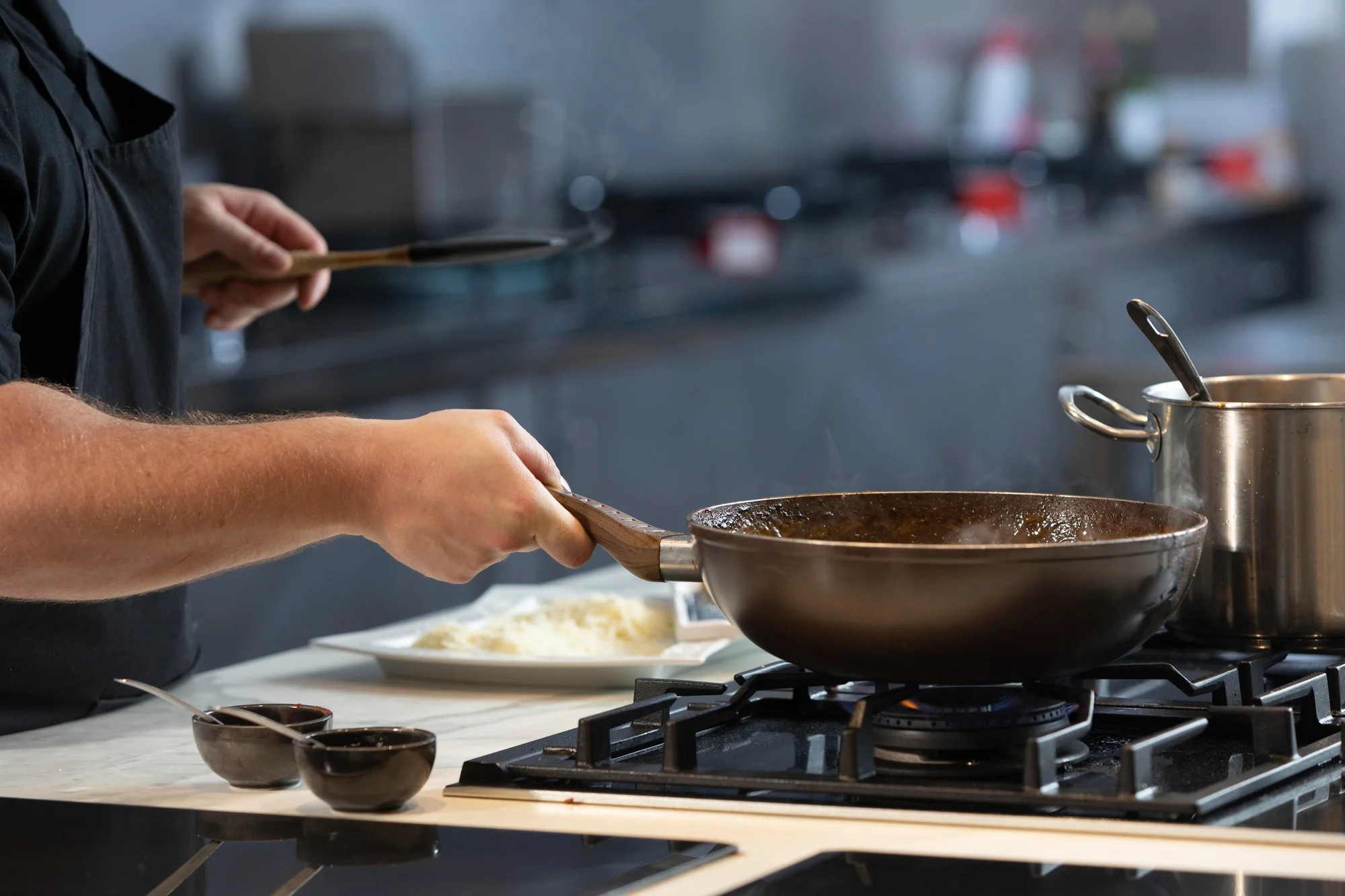
An electric stove uses electricity to heat metal elements on the cooktop and inside the oven. Instead of flames, heat comes from powered coils or smooth glass surfaces.
There are two common electric stove styles:
Coil burners: Exposed metal coils that heat up when electricity flows through them.
Smooth-top stoves: Flat glass or ceramic surfaces with hidden heating elements underneath.
Electric stoves heat more gradually than gas, but they provide steady, even temperatures. This makes them especially good for baking and slow cooking. They’re also easier to clean, especially smooth-top models, since spills don’t fall into open burners.
Electric stoves are a great option for kitchens without gas lines or for homeowners who prefer simple maintenance and a clean, modern look.
Heat & Cooking Performance
When it comes to how food actually cooks, gas and electric stoves feel very different.
Gas stoves give you a visible flame that reacts instantly. Turn the knob, and the heat changes right away. This makes gas great for high-heat cooking like sautéing, stir-frying, and searing meat. Lowering the flame also works well for quick simmering, though very low, steady heat can take some practice.
Electric stoves heat more slowly, but they shine at even, consistent temperatures. This steady heat is ideal for baking, slow cooking, and roasting. Boiling water may take a bit longer on electric, but once hot, the temperature stays stable.
In short, gas favors fast, hands-on cooking, while electric supports precision and consistency.
Installation & Kitchen Requirements
Installation is an important factor, especially in older homes.
Gas stoves need a dedicated natural gas or propane line. Some kitchens may also require upgraded ventilation to handle heat and fumes. In older homes, remembering to check gas line condition and venting is key.
Electric stoves require a 240-volt electrical outlet. Many modern homes already have this, making electric ranges easier and less costly to install. For new builds, electric is often simpler to plan.
If your home doesn’t have a gas line, electric is usually the easier choice.
Energy Efficiency & Operating Cost
Energy efficiency depends on both how heat is used and local energy prices.
Electric stoves transfer most of their energy directly to the cookware, which is efficient. However, electricity rates can be higher in some regions, increasing monthly costs.
Gas stoves often cost less to operate where natural gas prices are low. While gas loses some heat to the air, the lower fuel cost can balance this out.
Over time, your local utility rates matter more than the stove type alone.
Cleaning & Maintenance

Day-to-day cleaning can affect long-term satisfaction.
Electric smooth-top stoves are easy to wipe clean. Spills sit on a flat surface, making cleanup quick. Coil models take a bit more effort but are still manageable.
Gas stoves need more detailed cleaning. Grates, burner caps, and drip trays must be removed and washed regularly. Grease can build up faster around open flames.
Both types are reliable, but gas stoves may need more frequent part cleaning, while electric stoves may need occasional element replacement.
Safety Considerations
Both stove types are safe when used correctly, but the risks differ.
Gas stoves use open flames, which bring risks of burns, gas leaks, and indoor emissions. Proper ventilation and regular inspections help reduce these risks.
Electric stoves have no flame, but the surfaces stay hot longer. It’s easy to forget a burner is still warm, especially on smooth-top models.
Basic safety tips apply to both: keep flammable items away, supervise cooking, and use proper ventilation.
Environmental & Health Factors
Environmental impact is becoming more important for many homeowners.
Gas stoves produce combustion byproducts like nitrogen dioxide, which can affect indoor air quality if ventilation is poor.
Electric stoves create no combustion emissions inside the home. When paired with clean or renewable electricity, they can be a more eco-friendly option.
For households focused on air quality and lower indoor emissions, electric stoves often have the advantage.
Best Picks Based on Cooking Habits
Choosing between gas and electric really comes down to how you cook every day. Here’s a simple way to decide:
Choose a gas stove if you love hands-on cooking
Ideal for chefs and serious home cooks
Great for high-heat techniques like searing, stir-frying, and sautéing
Instant flame control makes quick temperature changes easy
Choose an electric stove if you value consistency and convenience
Better for baking, roasting, and slow cooking
Smooth-top models are easy to clean and maintain
Perfect for homes without gas lines or with limited ventilation
Both options can perform well—your cooking style and kitchen setup should lead the choice.
Ready to Choose the Right Stove for Your Kitchen?
Whether you’re deciding between a gas or electric stove, the right choice can improve how you cook every day. If you need help comparing models, planning installation, or choosing what fits your kitchen best, we’re here to help.
Contact us today for expert advice, product recommendations, and personalized solutions tailored to your cooking style and home setup.


 English
  Arabic
  Spanish
  Japanese
  Russian
  Korean
  French
  Italian