Understanding Color Temperature (Kelvin)
When choosing kitchen lighting, color temperature is one of the most important factors to understand. Color temperature is measured in Kelvin (K) and describes how warm or cool a light appears—not how bright it is.
Lower Kelvin numbers (2700–3000K) produce warm, yellow-toned light that feels cozy and relaxed.
Mid-range Kelvin (3500–4500K) creates neutral to cool white light that feels clean and balanced.
Higher Kelvin values (5000–6500K) deliver daylight-style light with a bluish tone, similar to natural sunlight.
In kitchens, color temperature affects how food looks, how clearly you see during prep, and the overall mood of the space. Cooler temperatures improve visibility for cooking tasks, while neutral tones help balance function and comfort.
Understanding Kelvin helps you choose lighting that works well for both daily cooking and long-term comfort.
What Is Cool White Lighting?
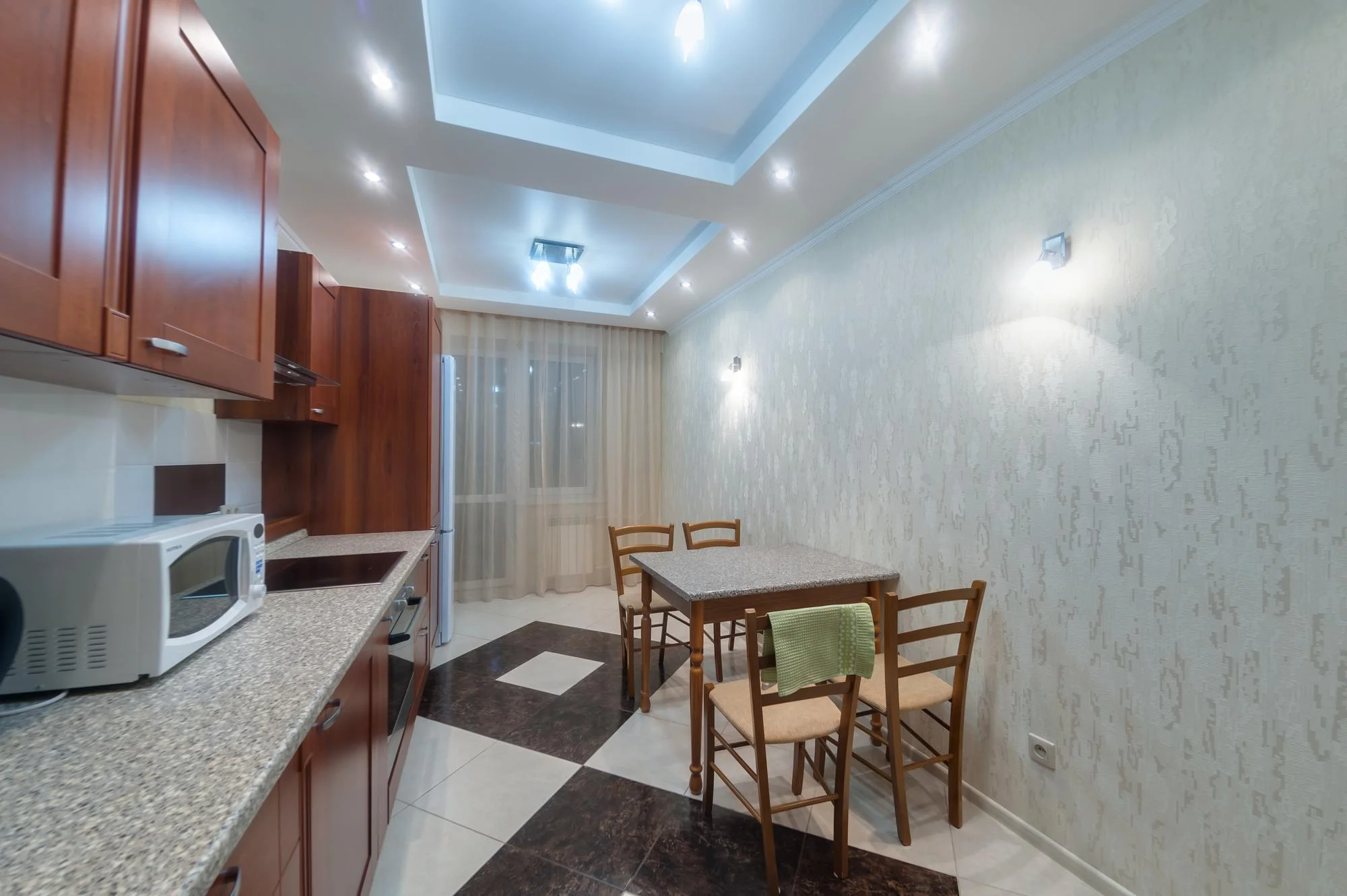
Cool white lighting sits in the 3500–4500K range and offers a clean, neutral white tone. It’s brighter than warm white but not as blue or intense as daylight.
This type of light feels crisp and fresh without harsh glare, making it comfortable for everyday kitchen use. Cool white works well for both cooking and casual time in the kitchen because it balances clarity with comfort.
Why cool white works in kitchens:
Clear visibility for daily tasks
Neutral tone that doesn’t distort colors
Comfortable for long periods of use
What Is Daylight Lighting?
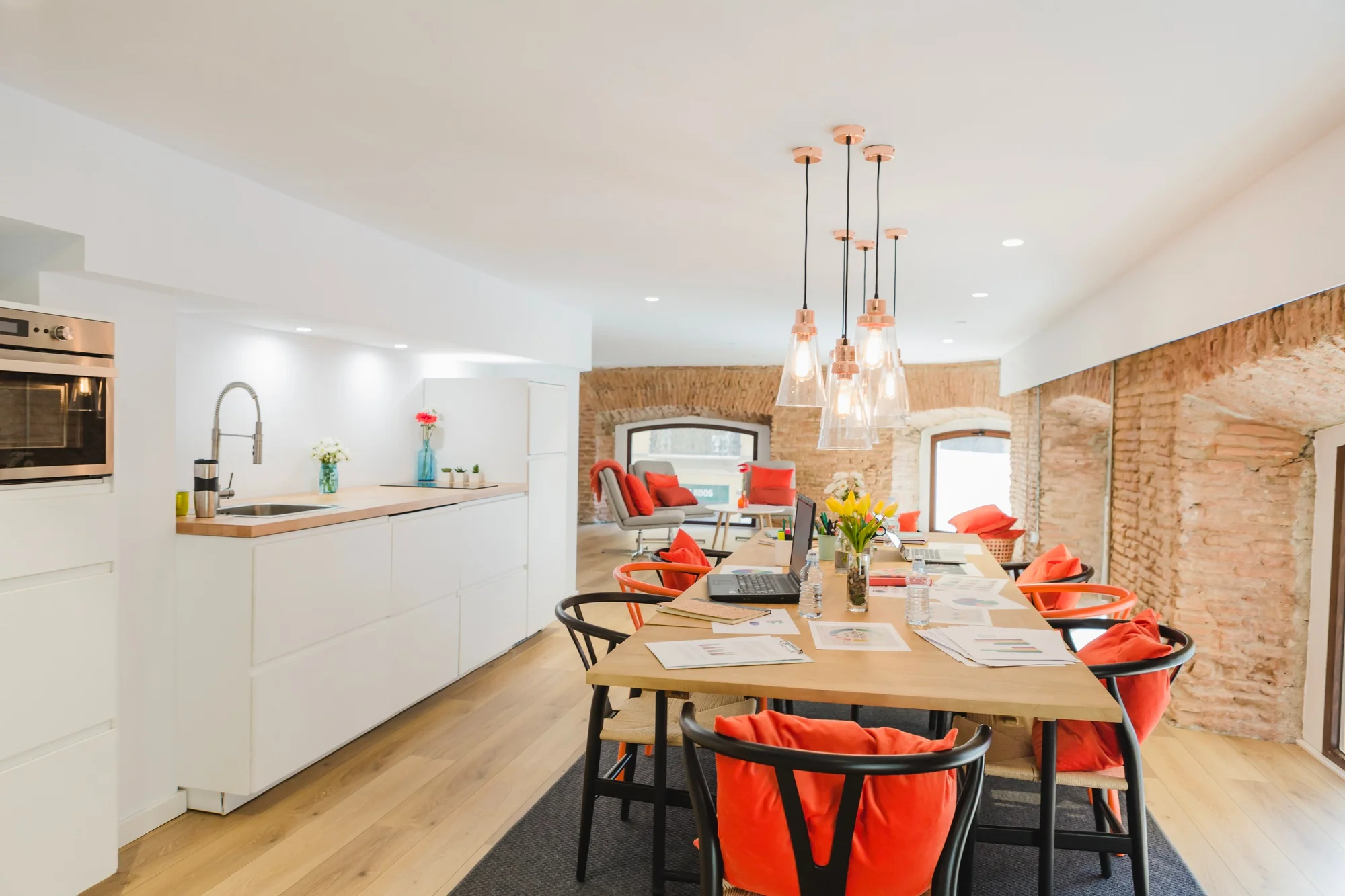
Daylight lighting falls between 5000–6500K and closely mimics natural sunlight. It has a cooler, blue-white tone that feels very bright and energetic.
This lighting is excellent for precision tasks, such as chopping, reading recipes, or detailed prep work. Daylight bulbs make colors appear sharper and more defined, which helps improve accuracy.
Why choose daylight lighting:
Maximum brightness and clarity
Ideal for task-focused areas
Great for kitchens with limited natural light
Both options are effective—the best choice depends on whether you want balanced comfort or maximum task visibility.
Key Differences: Cool White vs Daylight
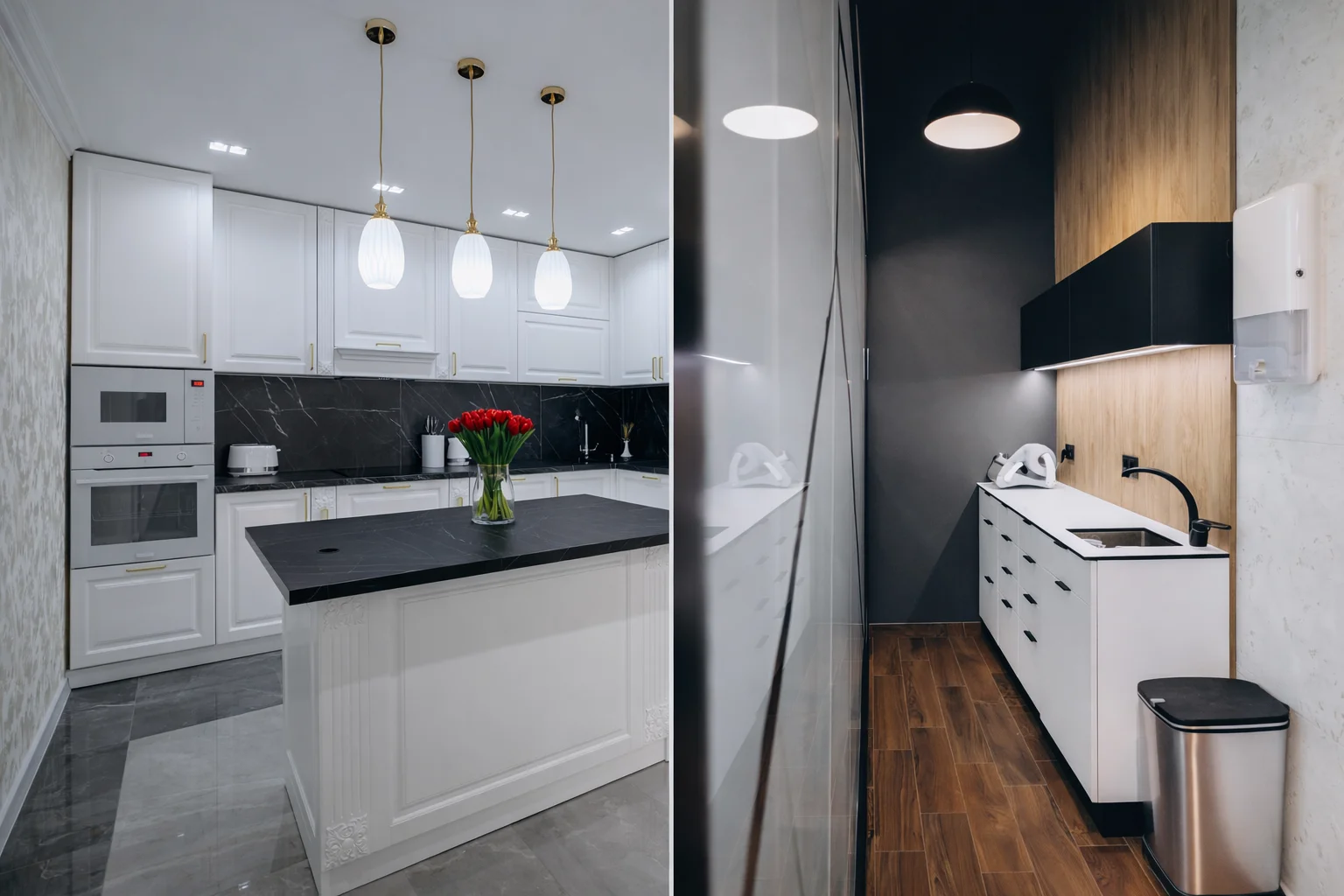
Color Tone
Brightness & Clarity
Comfort & Mood
Cool White: Feels inviting and balanced for longer use.
Daylight: Feels energizing and task-focused, less cozy.
Best Use Areas
Cool White: General kitchen lighting, dining-adjacent areas, open kitchens.
Daylight: Countertops, islands, sinks, or kitchens with low natural light.
Quick takeaway: Choose cool white for everyday comfort, and daylight for maximum task visibility.
Impact on Kitchen Tasks & Mood
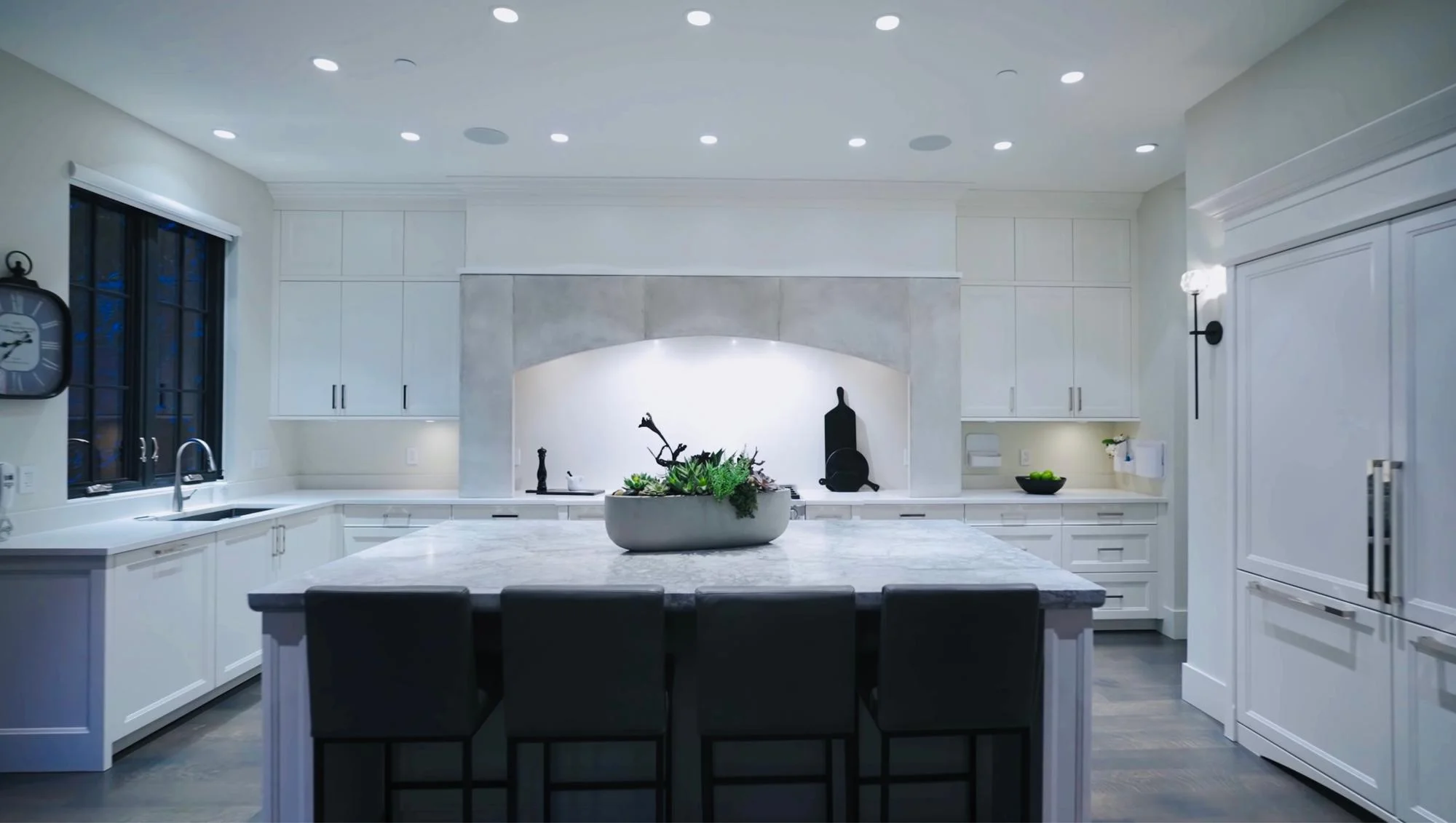
The color temperature you choose has a big effect on how well your kitchen works—and how it feels.
For kitchen tasks, higher color temperatures provide clearer visibility. Daylight lighting makes it easier to see fine details when chopping, cooking, or cleaning. It helps reduce shadows and improves accuracy, especially in busy prep areas.
Cool white lighting still offers good brightness, but with a softer tone. It supports everyday cooking without making the space feel too intense or tiring on the eyes.
For mood and atmosphere, the difference is clear.
Cool white creates a comfortable, balanced feel that works well for daily use and family time.
Daylight feels more energetic and focused, which is great for task-heavy zones but less relaxing.
Using both can give you the best of function and comfort.
When to Use Cool White in the Kitchen
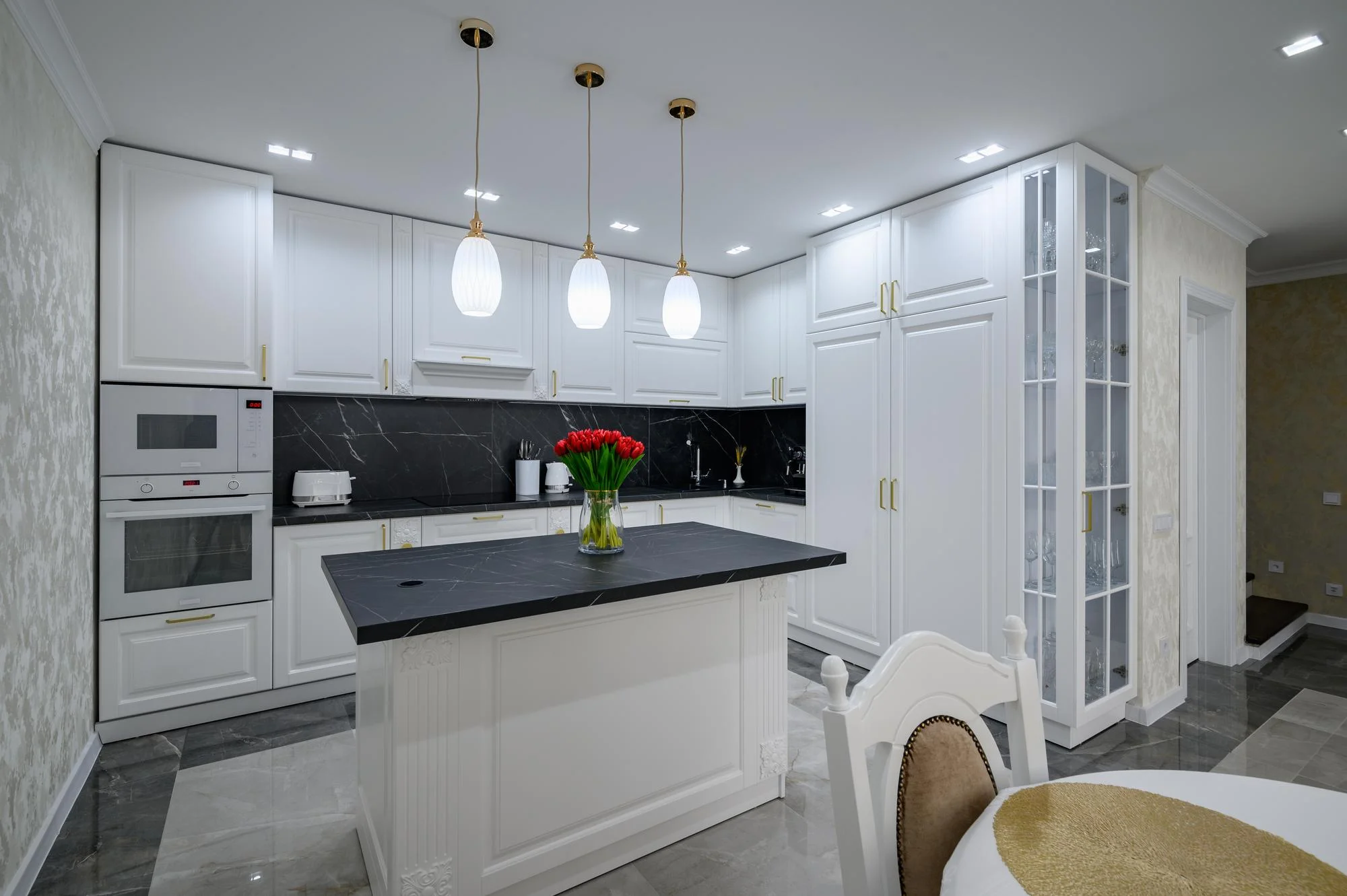
Cool white lighting is a great all-around choice for most kitchens. It provides enough brightness for cooking while still feeling comfortable for everyday living.
Best for general ambient lighting where you want a balance between work and relaxation
Easy on the eyes during long cooking or family time
Pairs well with warm finishes, such as wood cabinets, beige tones, or classic styles
Works smoothly in mixed lighting setups, alongside task or accent lights
When to Use Daylight in the Kitchen
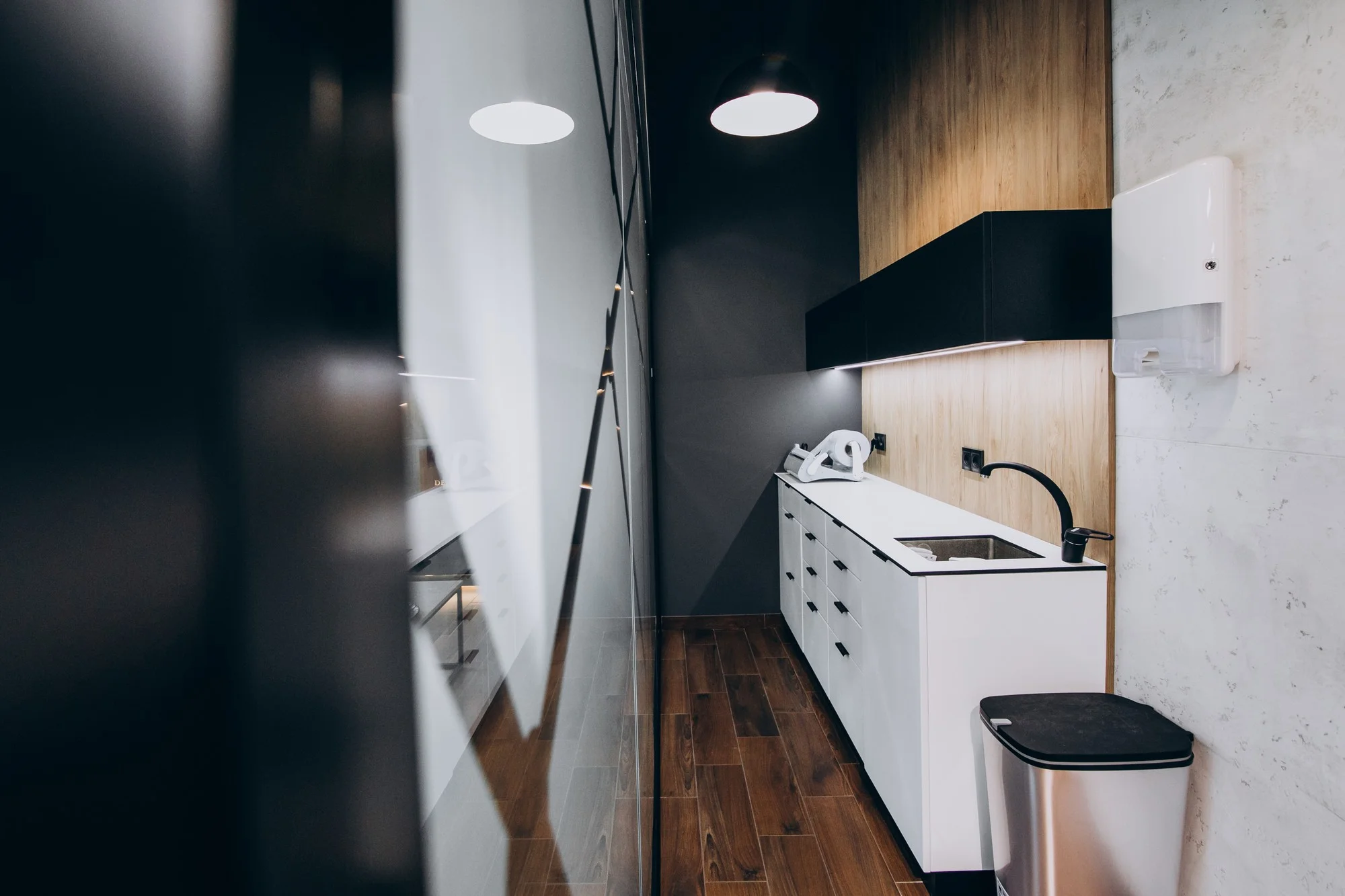
Daylight lighting is best when clarity and brightness are the top priorities.
Ideal for kitchens with limited natural light, helping the space feel brighter and more open
Excellent for task-focused areas like countertops, islands, and sinks
Helps improve visibility for detailed prep and cleaning tasks
Using daylight in specific zones and cool white for overall lighting often creates the best kitchen lighting balance.
Practical Tips for Choosing the Right Light
Picking between cool white and daylight doesn’t have to be complicated. A few simple checks can help you choose what works best for your kitchen.
Look at your kitchen size: Smaller kitchens often feel brighter with daylight, while larger spaces can stay comfortable with cool white.
Match your finishes: Warm wood cabinets and beige tones pair better with cool white. Sleek, modern finishes can handle daylight well.
Think about how you cook: Daily cooking and family use usually feel better under cool white. Heavy prep and cleaning benefit from daylight.
Layer your lighting: Use cool white for overall light and daylight for task zones like islands or sinks.
Test before you commit: Try sample bulbs at different times of day to see what feels right in your space.
The best choice balances visibility, comfort, and how you actually use your kitchen.
Need Help Choosing the Right Kitchen Lighting?
The right lighting can completely change how your kitchen looks and functions. If you’re unsure whether cool white or daylight is the better fit, our experts are ready to help. We’ll guide you through lighting choices that match your space, style, and daily needs.
Get personalized lighting advice and design support
Contact us now to create a brighter, more functional kitchen!
FAQs
Are cool white or daylight bulbs better for kitchens?
Cool white (around 3500–4500K) and daylight (5000–6500K) are both good for kitchens, but daylight is often preferred for task areas because it mimics natural light and boosts visibility for prep and cooking.
Is cool light or daylight better for kitchen?
Daylight is generally better for detailed kitchen work because it offers a brighter, blue-white tone that improves clarity; cool white still works well for general lighting and comfort.
What is the best color white light for a kitchen?
A neutral to cool white light around 3500–5000K is recommended for kitchens, offering a balance between comfort and task visibility.
Which color light is best for a kitchen?
Neutral to cool white lighting (about 3500–5000K) is best overall: it brightens the space for cooking and cleaning while still feeling inviting.



 English
  Arabic
  Spanish
  Japanese
  Russian
  Korean
  French
  Italian