

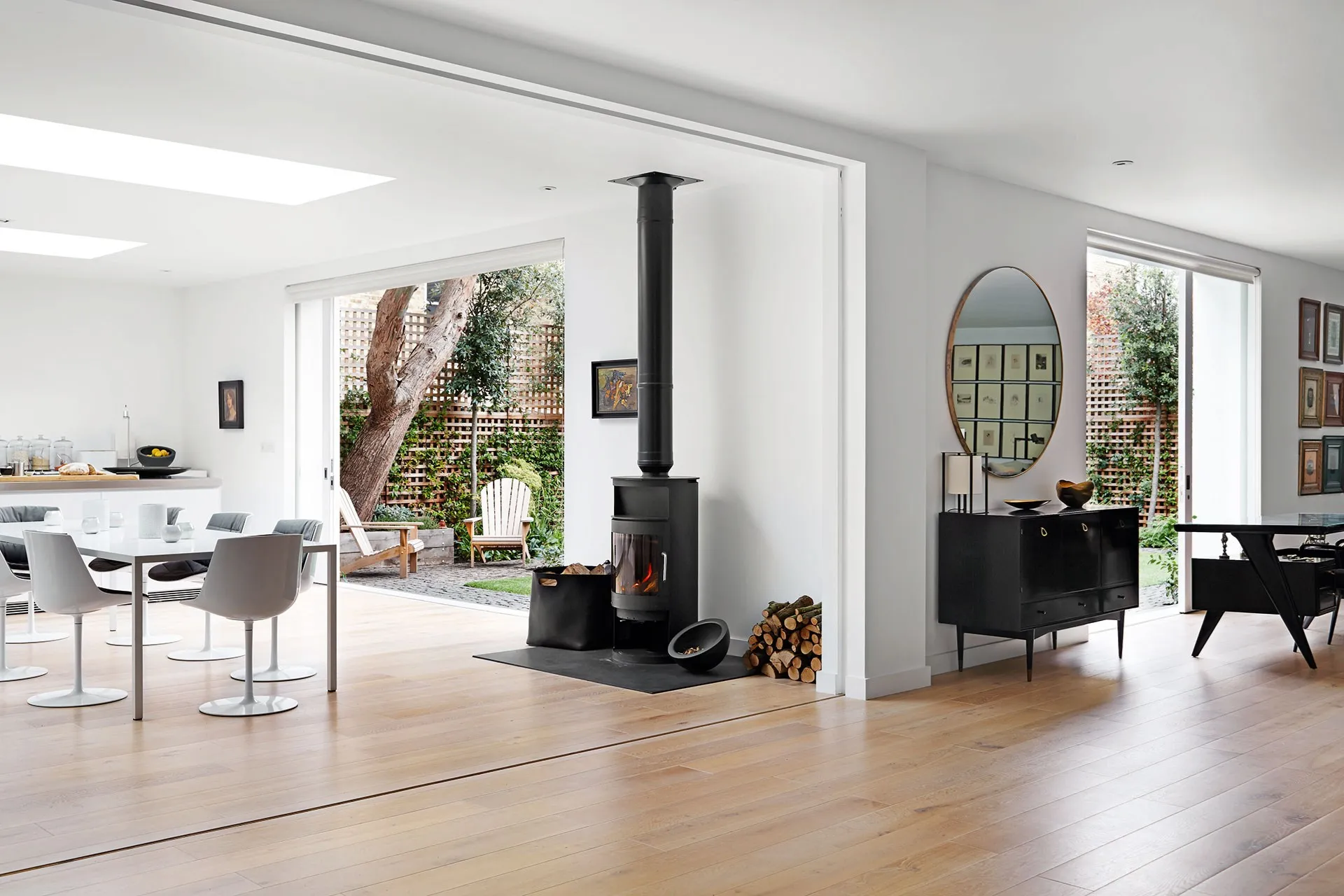
15+ Open Kitchen Ideas
1. Central Kitchen Island as a Social Hub
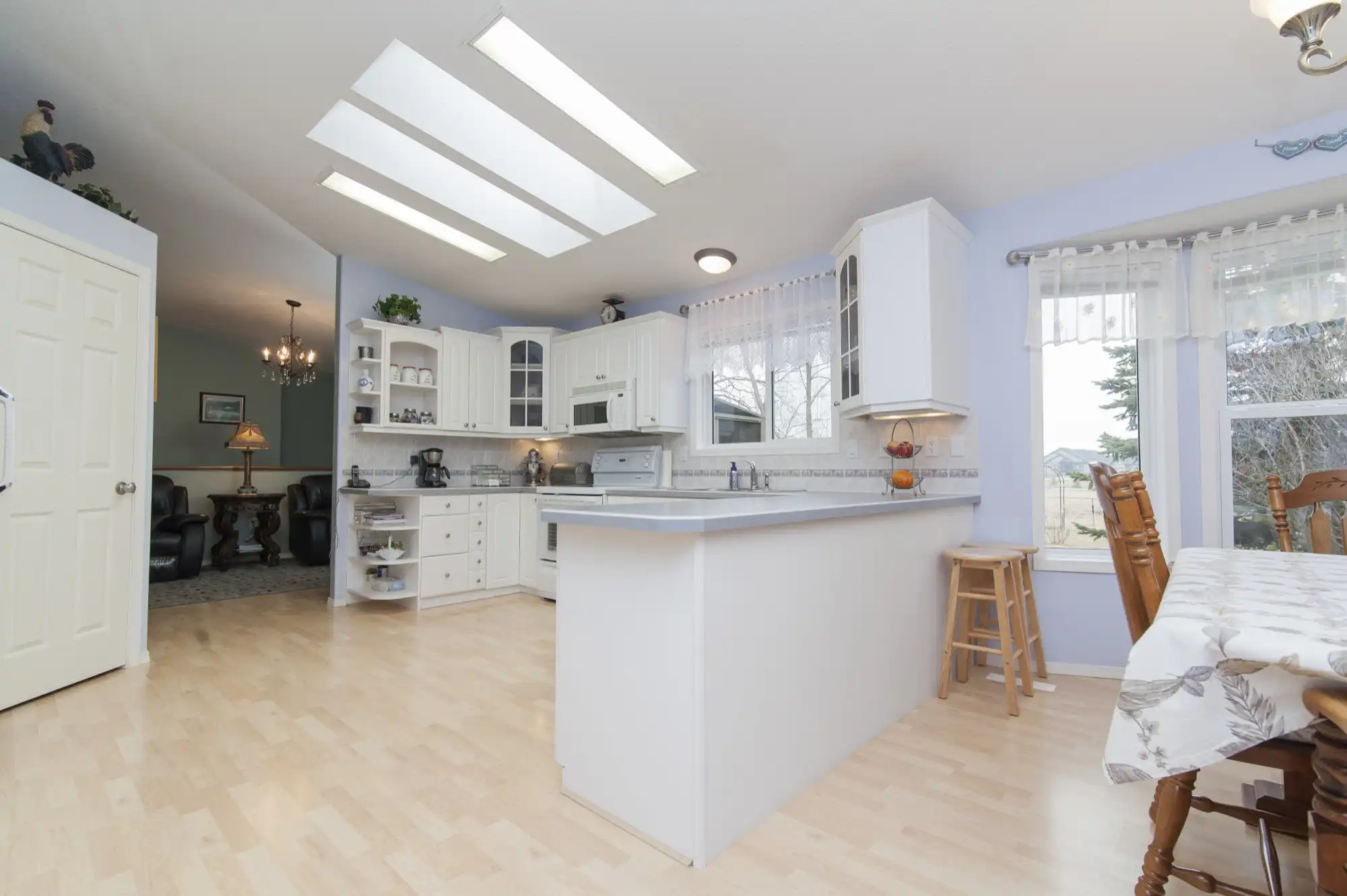
In an open kitchen, the island is often the heart of the space — where cooking, chatting, and daily life all meet. A large island not only anchors the layout but also bridges the kitchen with the living and dining zones. You can use it for meal prep, casual dining, or even as a mini work desk.
Pro Tip: Choose a countertop height that’s comfortable for both sitting and standing. Add bar stools, built-in power outlets for small appliances, and under-island storage to make it practical and welcoming at the same time.
2. Eliminating Upper Cabinets for Openness
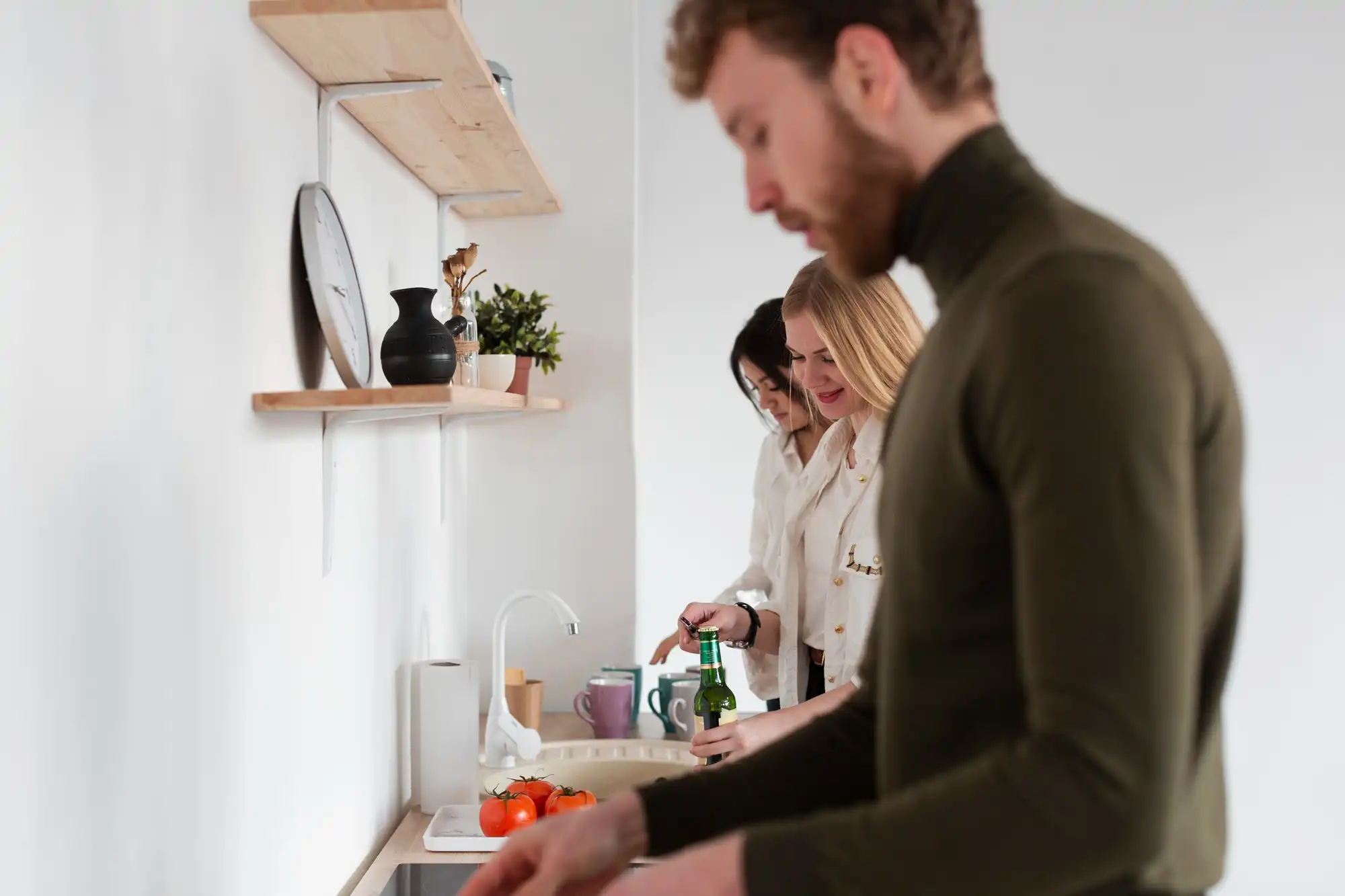
Nothing makes a kitchen feel more open than removing bulky overhead cabinets. Without those visual barriers, your space instantly feels brighter and more connected to the rest of the home. This design works beautifully in open layouts where natural light flows freely.
Alternative Storage Ideas: Replace upper cabinets with tall pantry units, deep drawers, or even hidden pull-out shelves. Floating open shelves can display everyday essentials while maintaining that airy, uncluttered look.
3. Cohesive Color Palette Across Living and Kitchen Zones
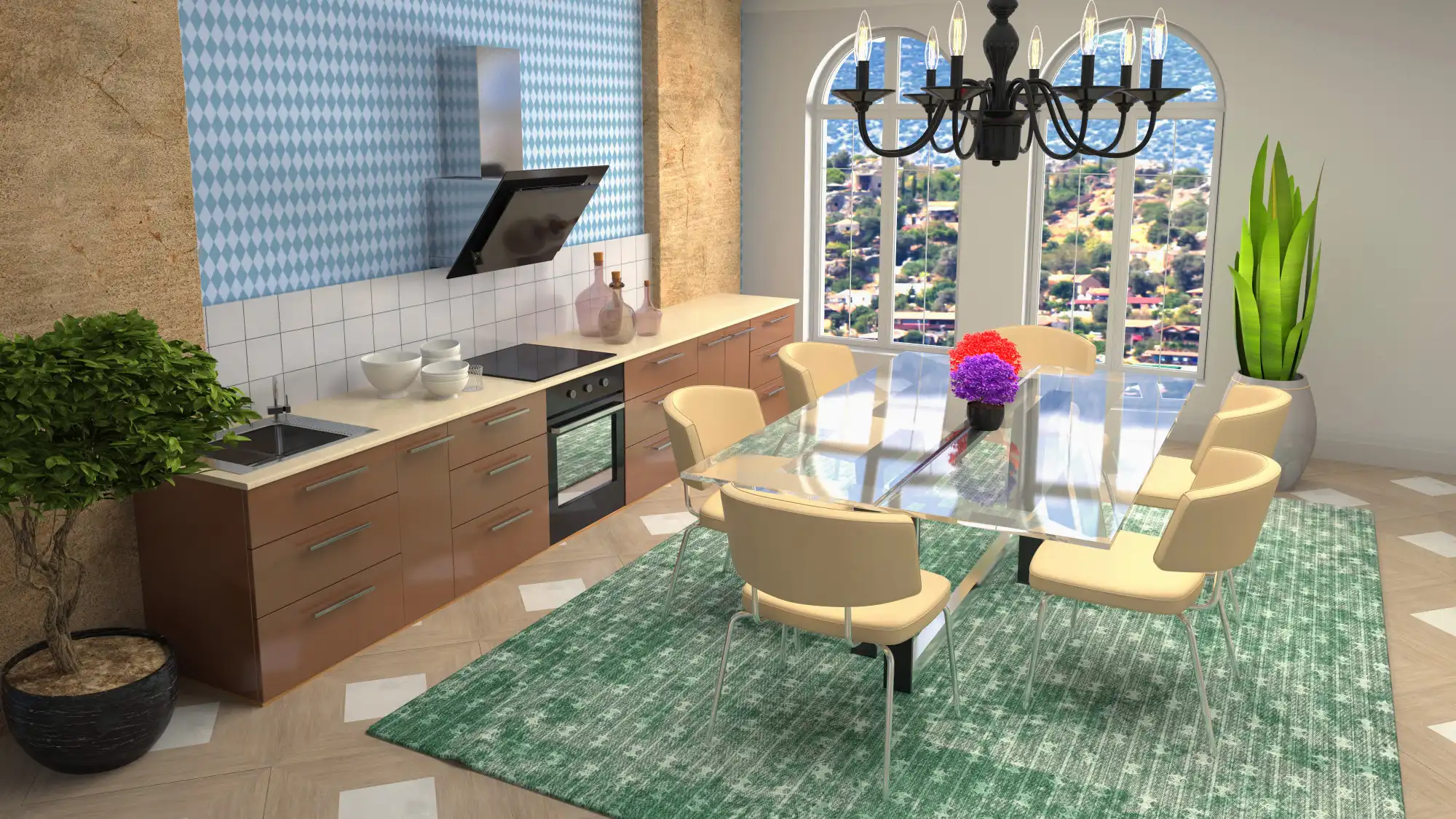
An open kitchen blends seamlessly with your living and dining areas, so color consistency is key. Using a unified or complementary palette helps the entire space feel intentional and calm.
Stick to neutral bases—like soft whites, warm grays, or light wood tones—and tie everything together with an accent color. For example, you can paint the island in a rich navy or forest green while keeping surrounding cabinetry neutral.
Pro Tip: Repeat accent colors in cushions, dining chairs, or wall art to strengthen visual harmony.
4. Mixed Materials for Texture and Interest
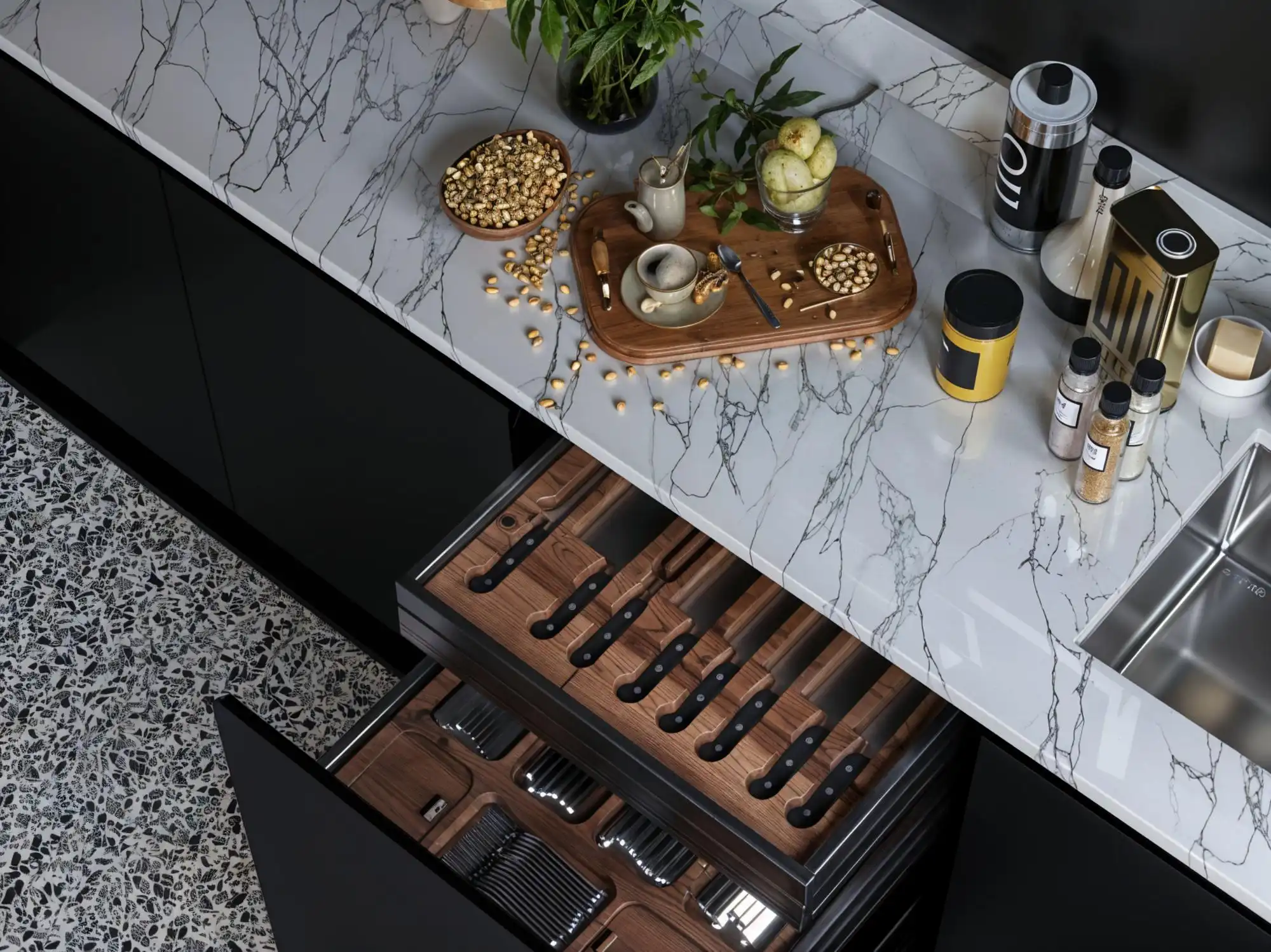
Mixing materials is a smart way to add depth and personality without breaking up the openness of your kitchen. Instead of walls, use texture contrast to define zones and draw the eye.
Combine warm wood cabinetry with sleek stone countertops, or balance a marble island with matte black fixtures. A few metal accents—like brass handles or pendant lights—can complete the look and add a modern edge.
This mix-and-match approach gives your open kitchen a layered, inviting feel that’s anything but flat or boring.
5. Floor-to-Ceiling Glass or Large Doors to Extend Outdoors
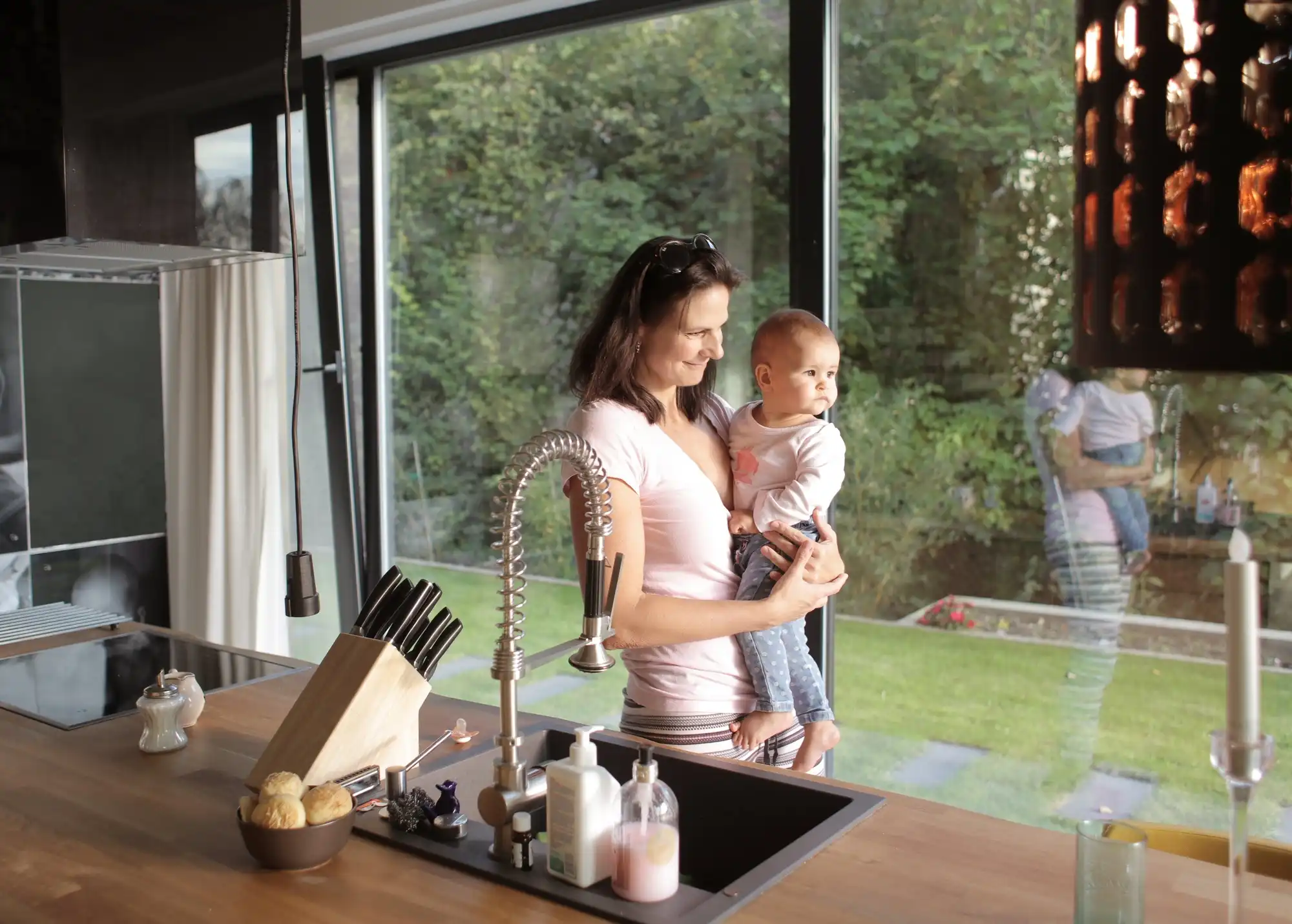
If you love sunlight and fresh air, connecting your open kitchen to the outdoors is a dream move. Floor-to-ceiling windows or sliding glass doors erase boundaries between inside and out, creating a natural extension of your living space.
These doors flood the kitchen with light and make it feel larger, especially when leading to a patio or garden.
Pro Tip: Consider installing bifold doors for a full opening or sliding panels for a more modern, seamless look. Pair them with durable flooring that transitions easily from indoor to outdoor zones for a truly cohesive design.
6. Breakfast Bar or Multi-Use Seating Zone
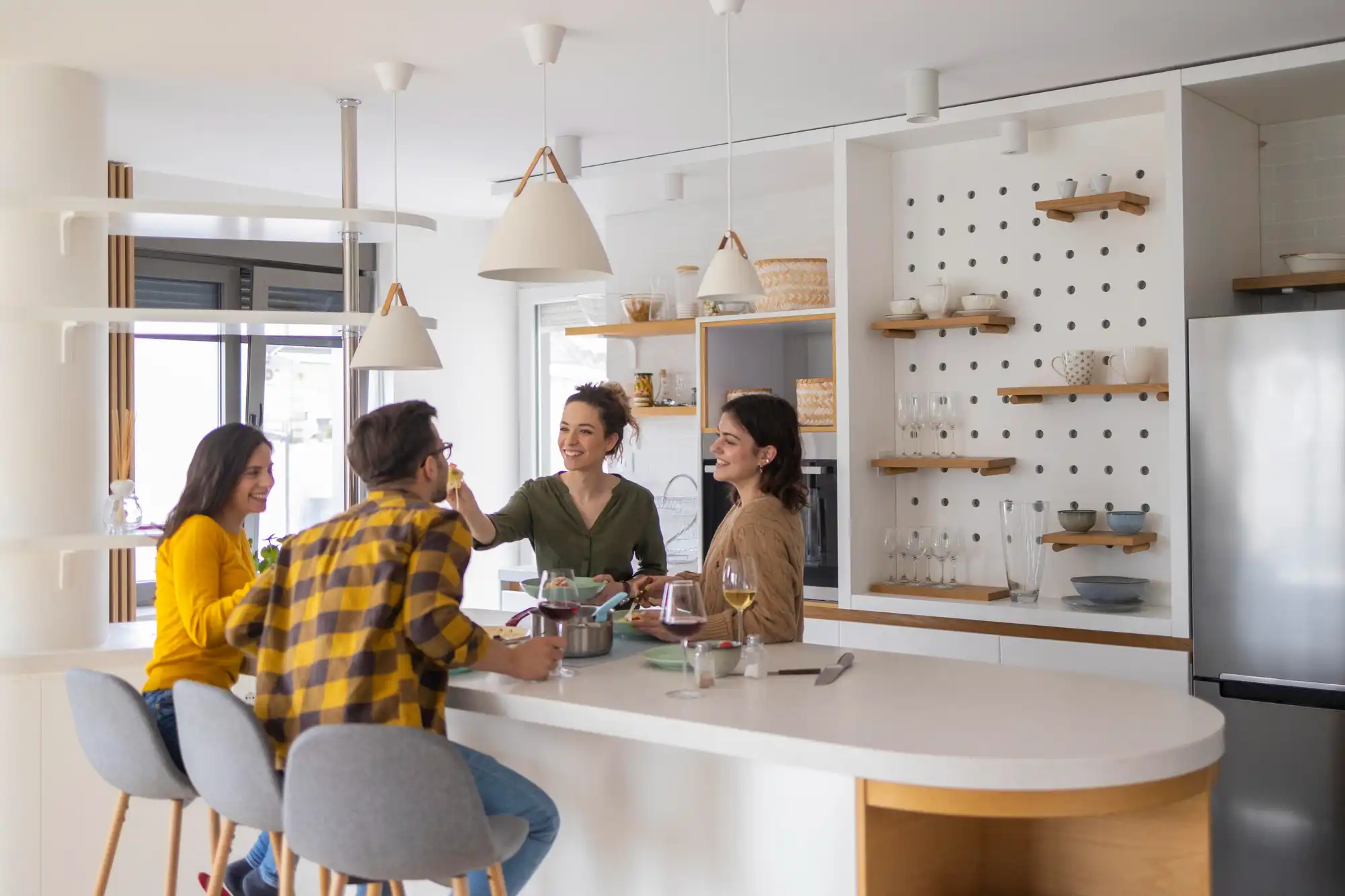
In an open kitchen, a breakfast bar isn’t just for breakfast—it’s a versatile social corner for every hour of the day. It’s where you can sip coffee, help with homework, or enjoy casual dinners with friends.
Adding stools or a slim bench keeps the look clean and saves floor space. You can also extend the counter from your island or peninsula to create a simple, functional eating spot.
Pro Tip: Choose stools that tuck neatly under the counter to maintain an uncluttered look and easy movement through the space.
7. Two-Tone Cabinets to Define Zones
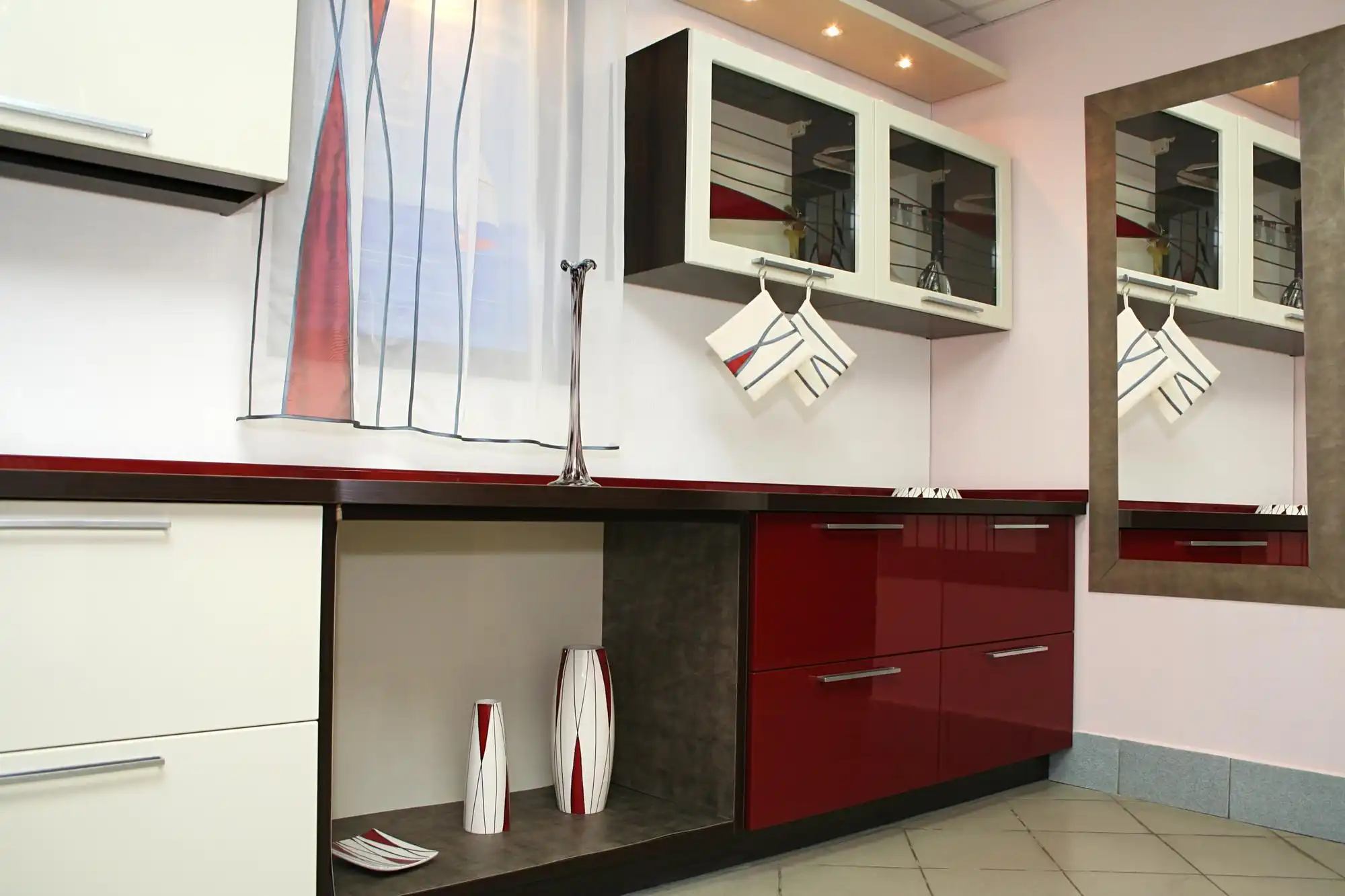
Two-tone cabinetry is a stylish trick for keeping your open kitchen visually balanced. Using one color for the cooking area and another for the island or outer cabinetry helps define zones—without adding walls.
For example, you could pair dark lower cabinets with light uppers, or contrast a wood island base with white perimeter units. This subtle division creates depth and sophistication while maintaining a cohesive open-plan flow.
Pro Tip: Keep finishes consistent—matte, glossy, or textured—so the two tones feel coordinated, not clashing.
8. Minimal Upper Storage + Display Shelving
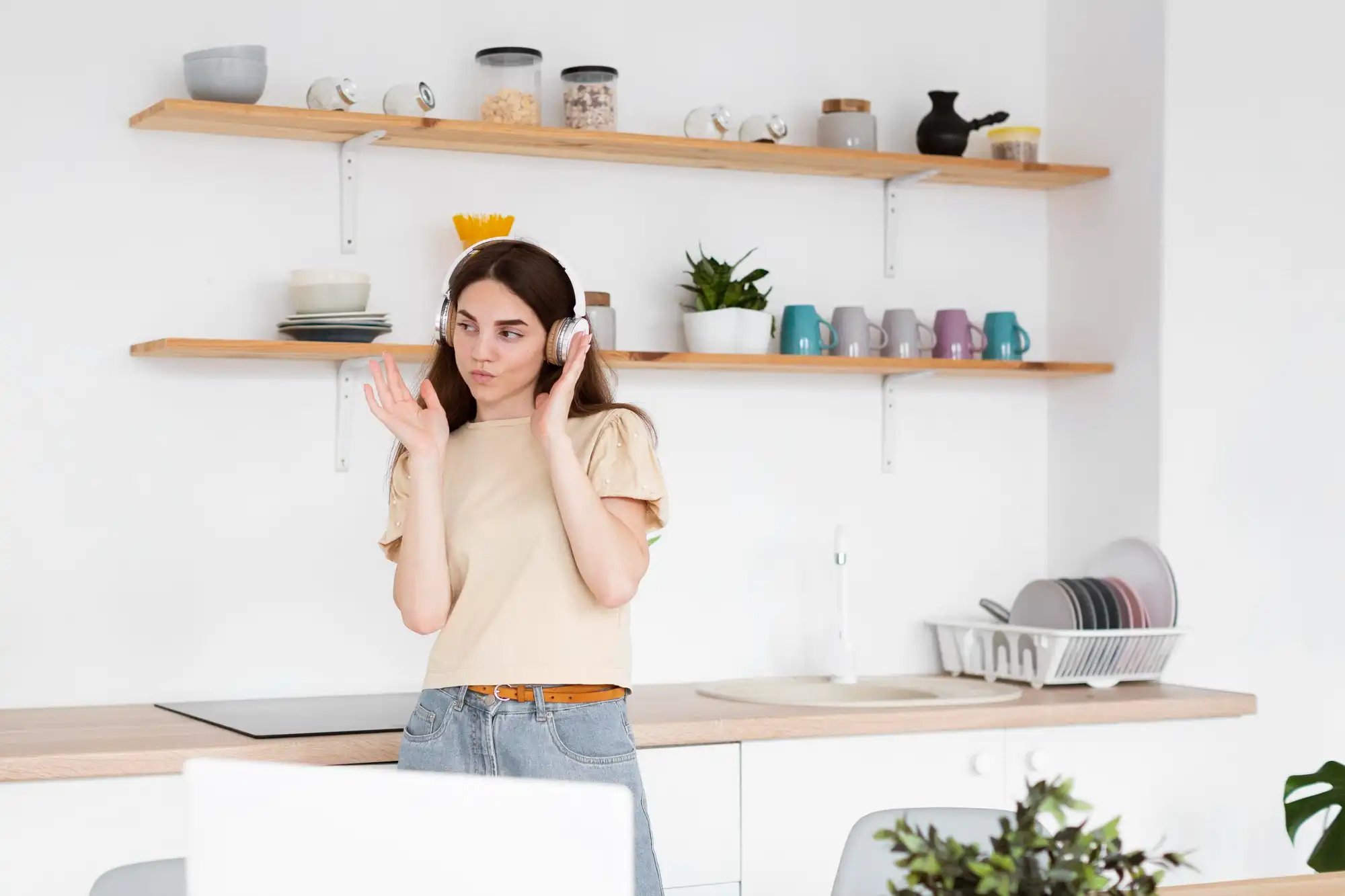
Less is more when it comes to open kitchen storage. Skipping bulky upper cabinets opens up your sightlines, makes ceilings appear taller, and lets in more natural light.
Instead, install floating shelves or slim display ledges to showcase your favorite ceramics, plants, or glassware. These details add personality without closing in the space.
Pro Tip: Limit open shelving to one or two walls and keep displayed items organized—too many pieces can make the kitchen feel busy instead of airy.
9. Strategic Lighting Layers – Ambient, Task & Accent
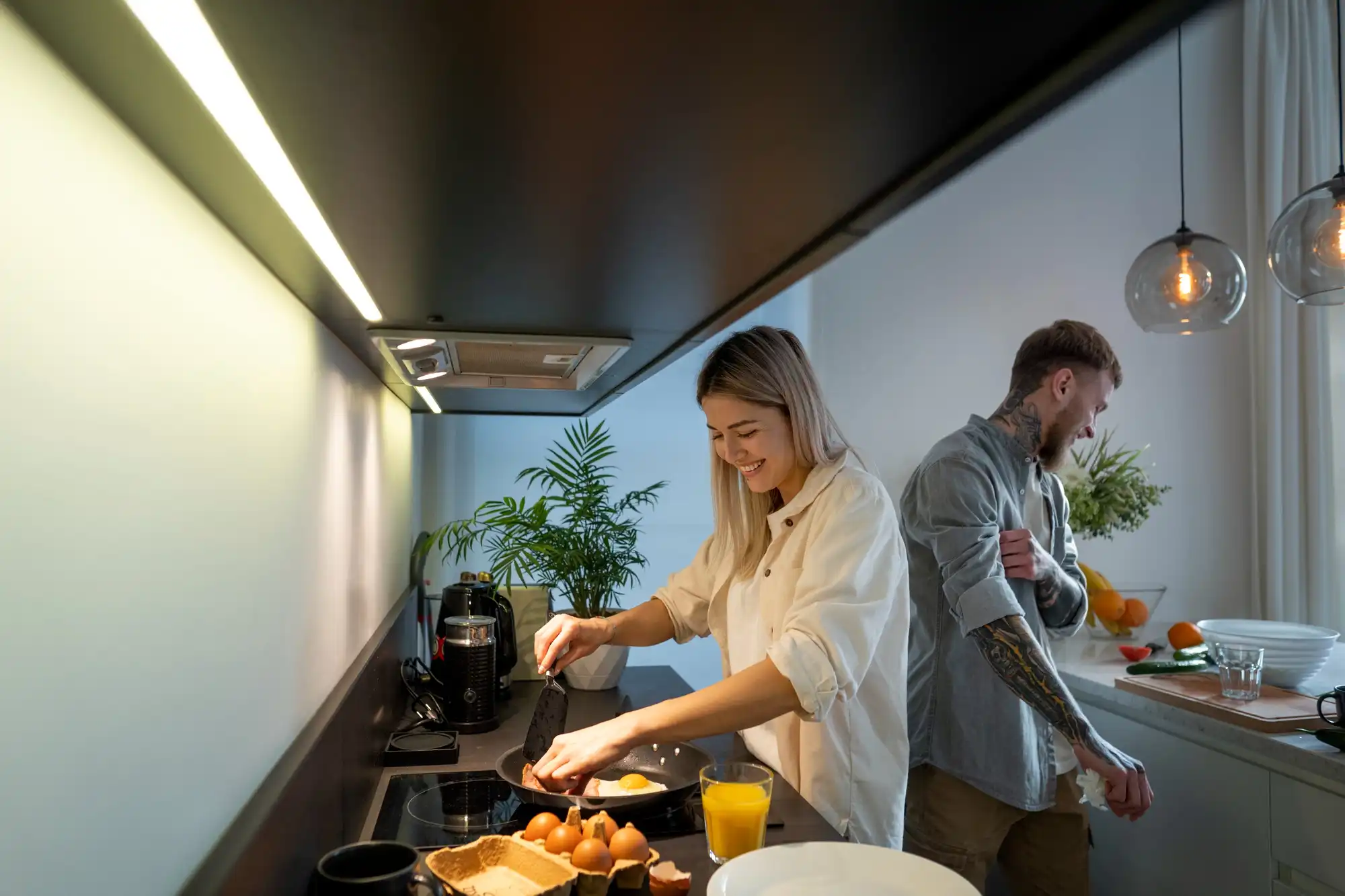
Lighting is everything in an open kitchen. A smart mix of ambient, task, and accent lighting not only brightens your space but also defines each zone clearly.
Pendant lights above the island create a cozy focal point, while recessed ceiling lights provide overall illumination. Add under-cabinet or toe-kick lighting for cooking tasks, and don’t forget dimmers—they let you transition from bright meal prep to relaxed evening dining with ease.
Pro Tip: Choose warm LED tones for living areas and neutral white for work zones to create a natural balance.
10. Integrated Appliances & Concealed Function Areas
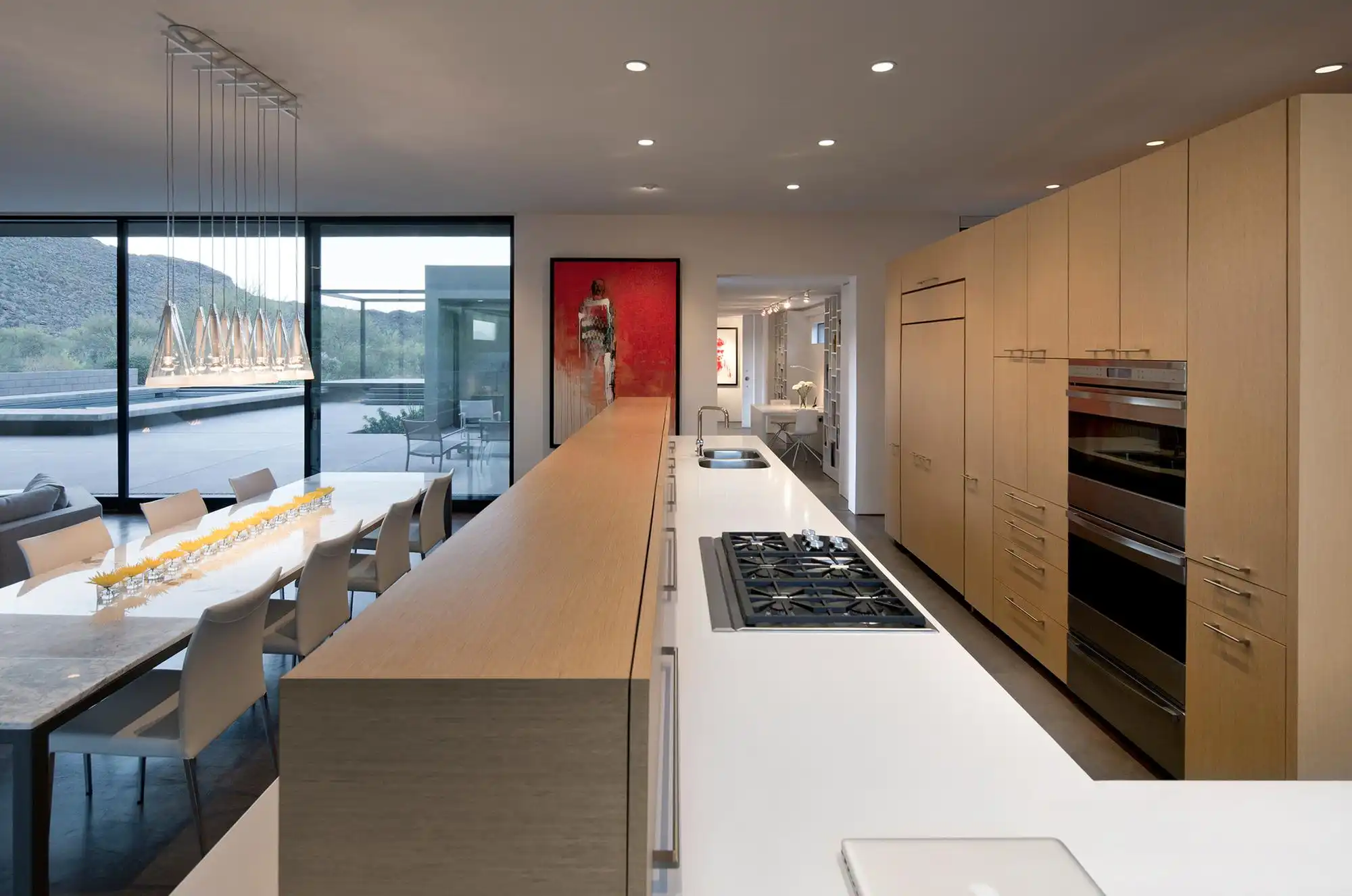
In a modern open kitchen, keeping things visually clean is key. Built-in and concealed appliances blend seamlessly with cabinetry, making the whole space look elegant and clutter-free.
Think integrated refrigerators, dishwashers behind matching panels, or even a hidden microwave drawer. A flush cooktop or under-counter oven keeps surfaces streamlined and easy to clean.
Pro Tip: Plan appliance placement early—especially for ventilation and power access—to ensure both aesthetics and function align perfectly.
11. Contrasting Flooring or Rug to Define Zones
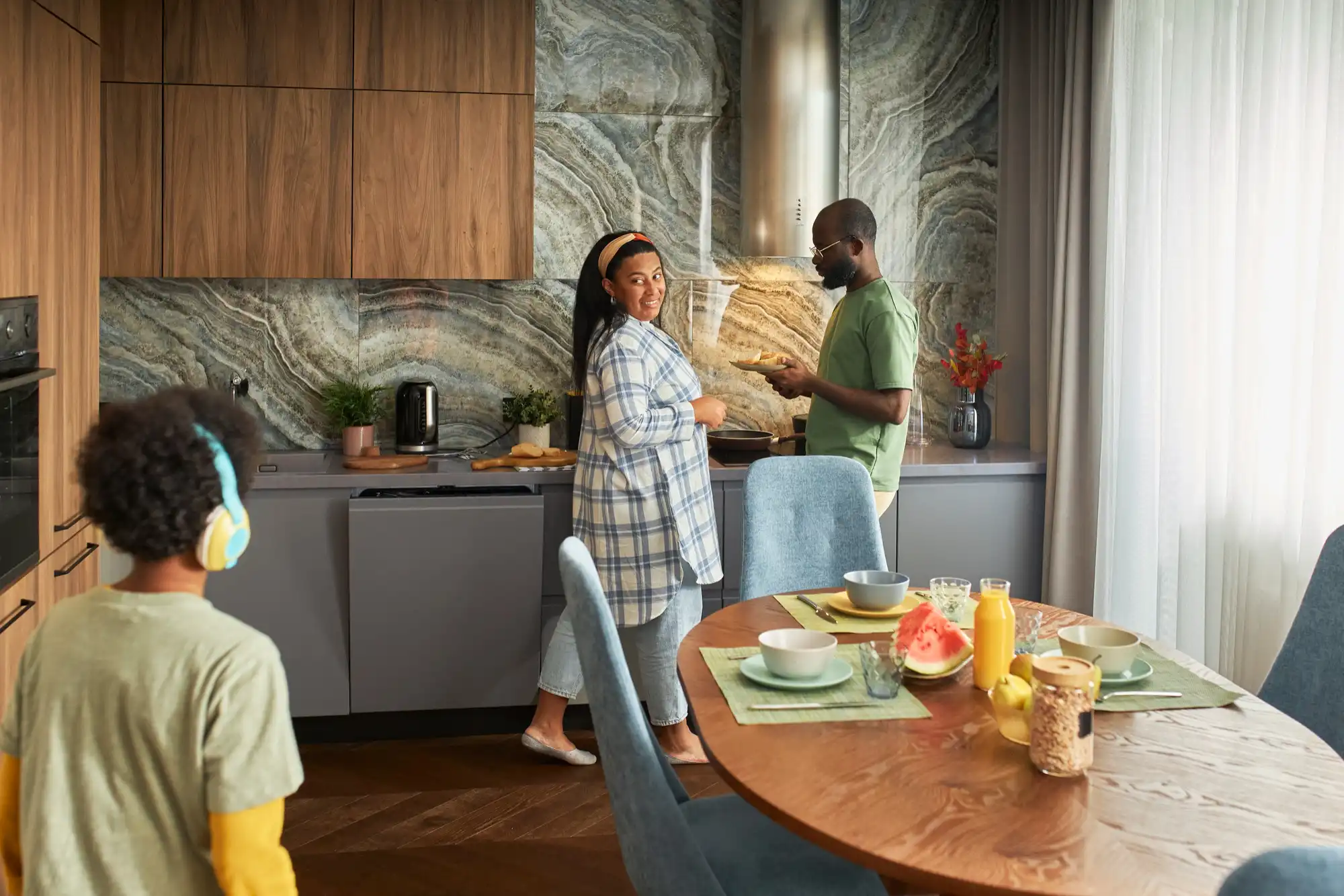
In an open kitchen, defining each area doesn’t always require walls. A simple change in flooring texture or the addition of an area rug can subtly separate the cooking, dining, and lounging zones while maintaining flow and visual harmony.
Try using different materials—like warm wood for living spaces and tile for the kitchen—to make each zone feel distinct yet connected. If you prefer a continuous surface, an accent rug under the dining table or island adds depth and warmth without breaking the open feel.
Pro Tip: Keep the flooring materials similar in tone or finish so transitions feel natural and cohesive.
12. Smart Storage Solutions for Open Layouts
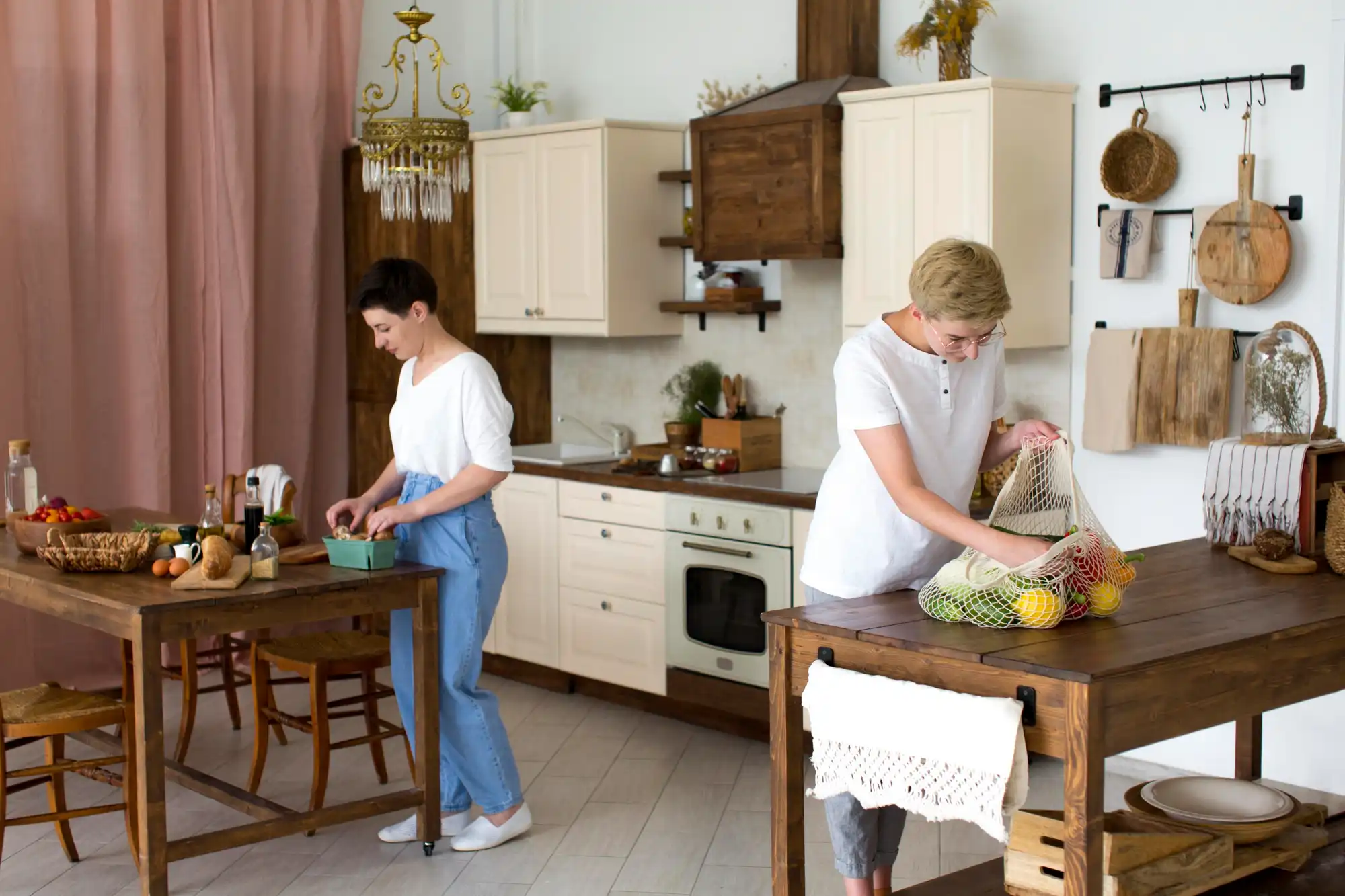
Open kitchens look best when they stay clutter-free. With fewer walls and upper cabinets, creative storage becomes essential. Use pull-out drawers, tall pantry units, and hidden recycling bins to keep everything neatly organized and out of sight.
Integrating storage into your island is another great idea—it can hold cookware, serving pieces, or even small appliances. The key is balance: plenty of storage, but nothing that interrupts your open view.
Pro Tip: Opt for deep drawers instead of traditional cupboards; they’re easier to access and make better use of vertical space.
13. Soft Partitioning Without Walls
If you love the open concept but crave a bit of definition, soft partitioning is your best friend. Instead of solid walls, use half-walls, glass panels, or open shelving units to separate zones while maintaining light and connection.
A glass divider, for instance, can frame the kitchen without closing it off, while an open shelf can display décor or dishes and act as a gentle visual boundary. These features create structure but keep your kitchen airy and welcoming.
Pro Tip: Choose materials like glass, wood slats, or metal frames to match your overall design theme and maintain consistency throughout the space.
14. Built-In Banquette or Casual Dining Nook
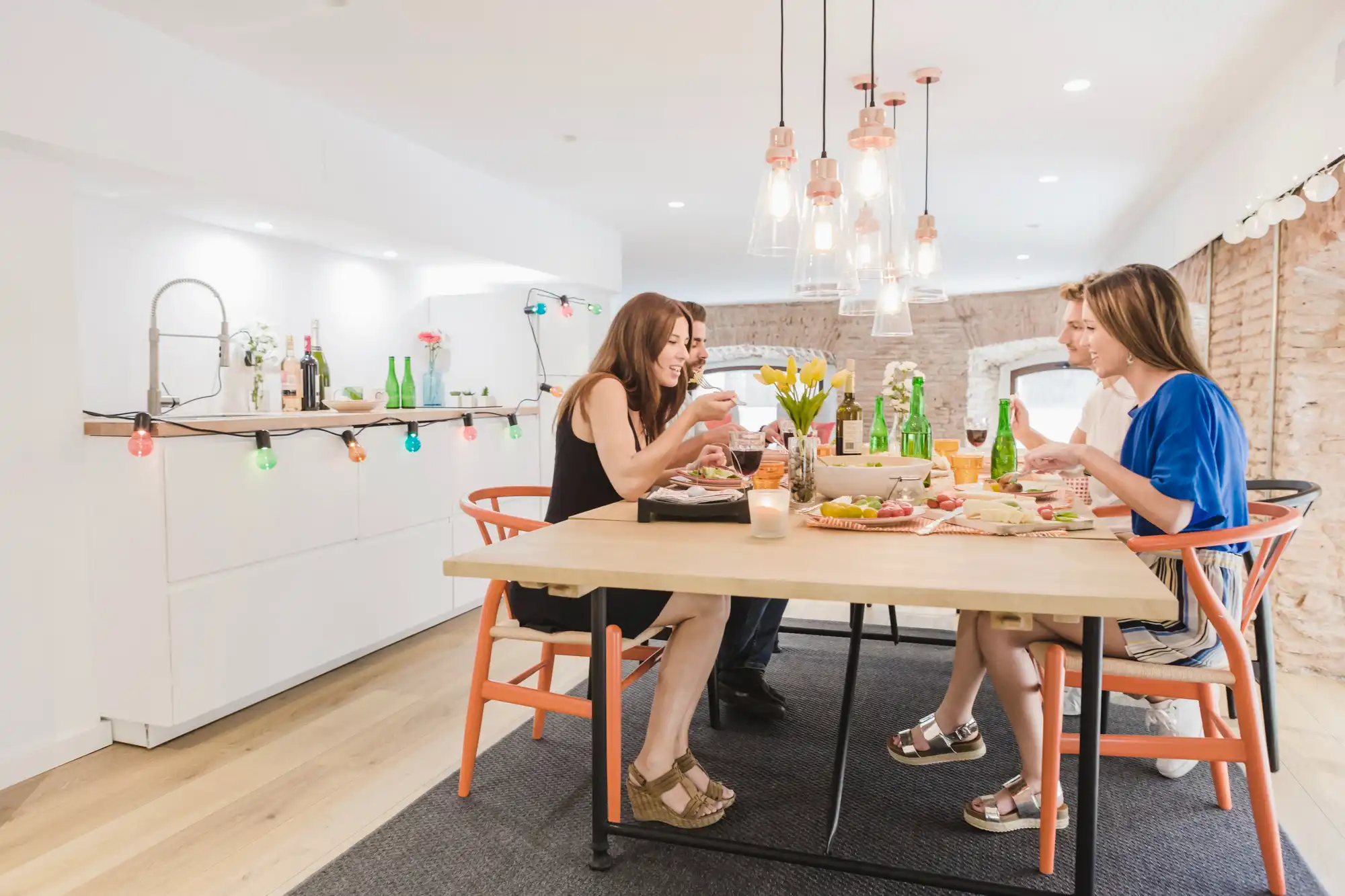
A built-in banquette or cozy dining nook brings warmth and personality to an open kitchen. It’s perfect for quick meals, morning coffee, or kids doing homework while you cook.
By tucking the seating into a corner or along a wall, you save valuable floor space while adding a casual, comfortable spot that feels integrated with the rest of the layout. Add cushions, natural lighting, and a small table to complete the look.
Pro Tip: Use built-in benches with hidden storage underneath for extra efficiency—ideal for compact open-plan spaces.
15. Bold Backsplash or Feature Wall for Visual Impact
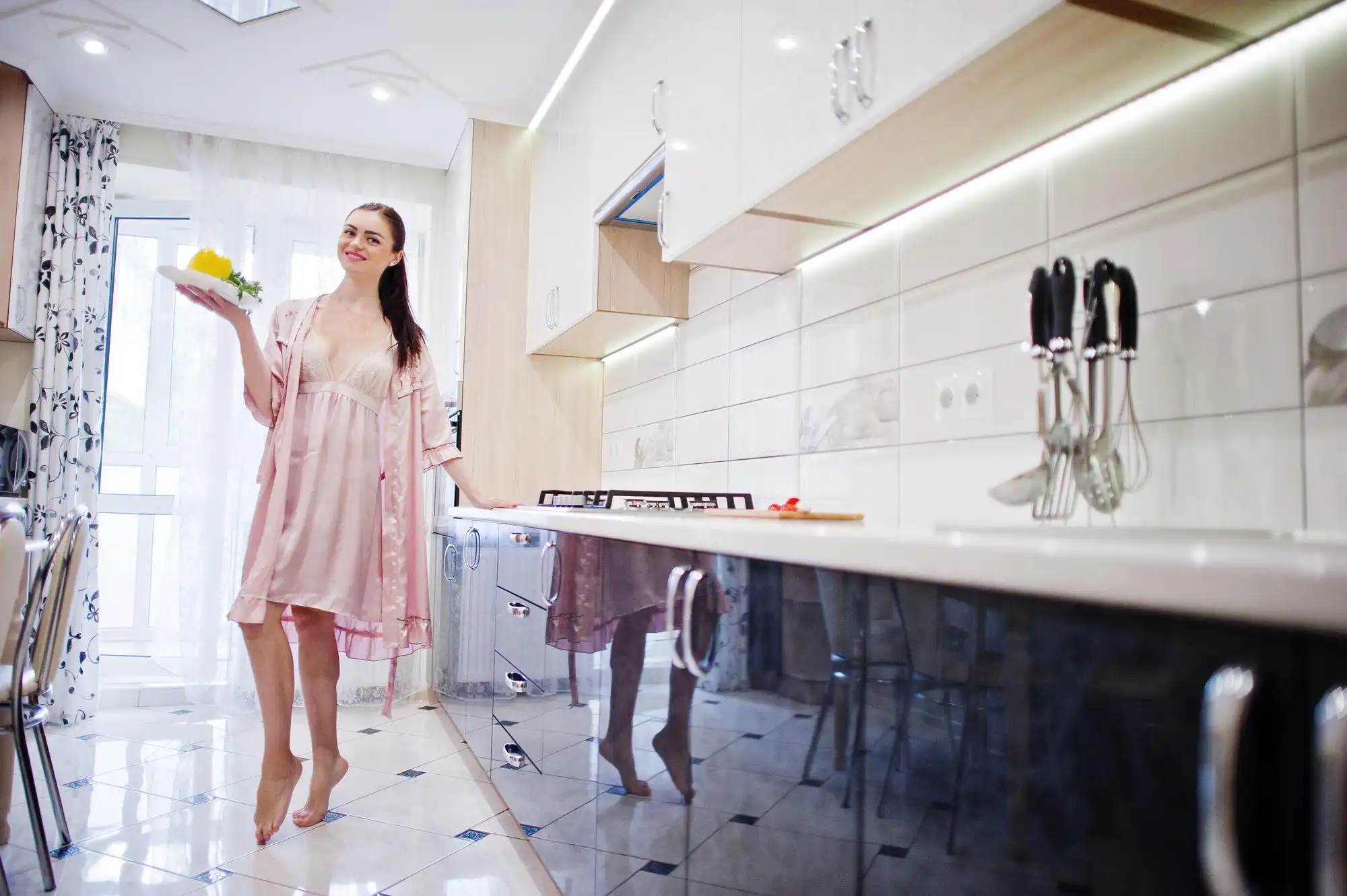
In an open layout, a bold backsplash or statement wall can define your kitchen zone and create a strong focal point. With so many sight-lines across the space, a beautiful backsplash is a natural attention grabber.
Consider using patterned tiles, textured stone, or colored glass to anchor your cooking area. It adds personality without overwhelming the space. Keep surrounding finishes simple to let your feature wall shine.
Pro Tip: Extend the backsplash to the ceiling behind your range hood or shelving—it makes the space feel taller and more unified.
16. Flexible Furniture & Multi-Use Surfaces
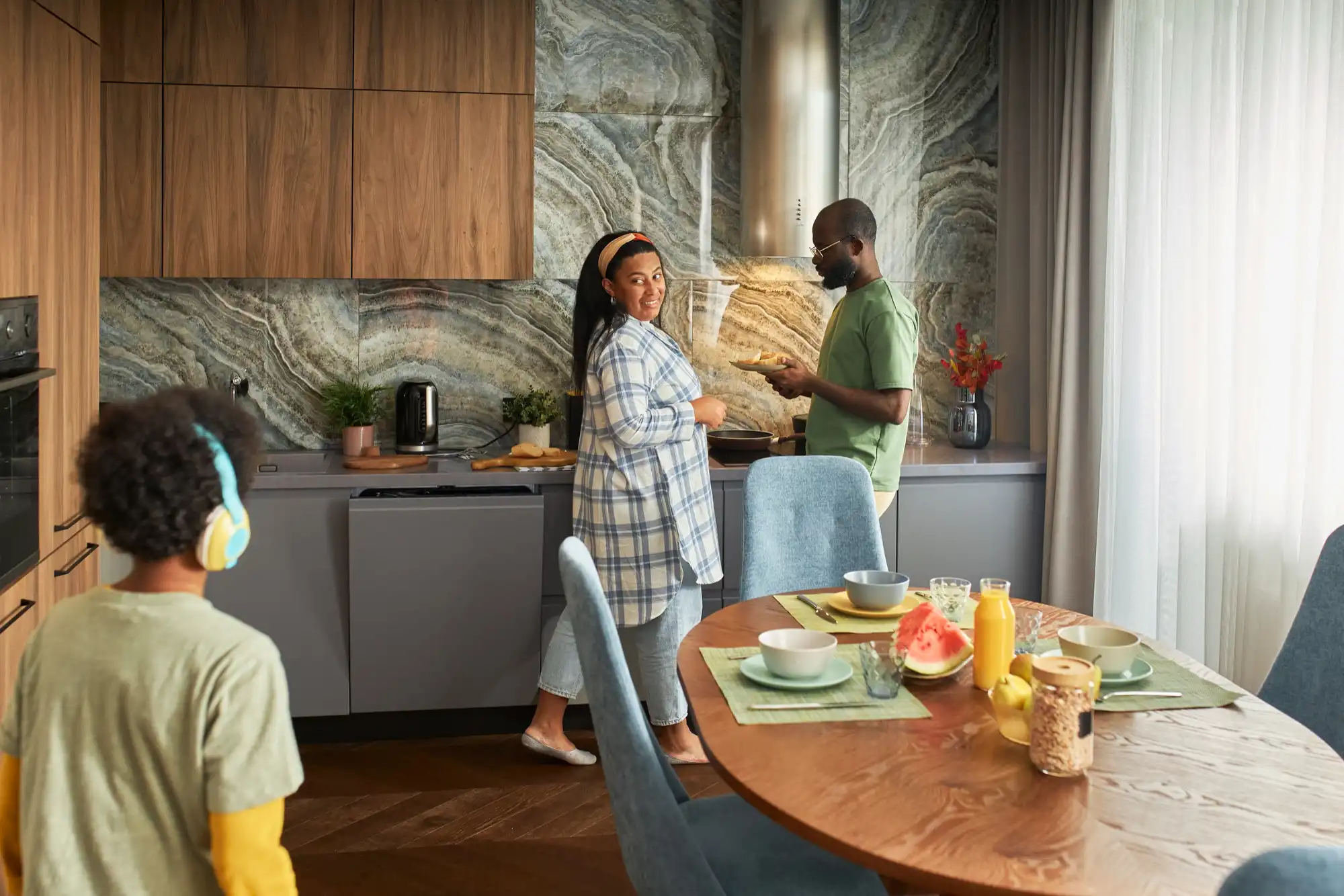
In an open kitchen, every piece of furniture should work hard for your space. Flexible furniture—like stools, benches, or extendable tables—helps your kitchen adapt for cooking, dining, working, or entertaining.
A long island can double as a prep area and dining table, while a movable cart or sideboard can serve as extra storage when needed. The goal is to make the layout fluid, allowing you to rearrange easily for family meals, parties, or quiet mornings.
Pro Tip: Choose lightweight or wheeled furniture so you can shift between layouts effortlessly without sacrificing style.
17. Technology & Smart Home Integration
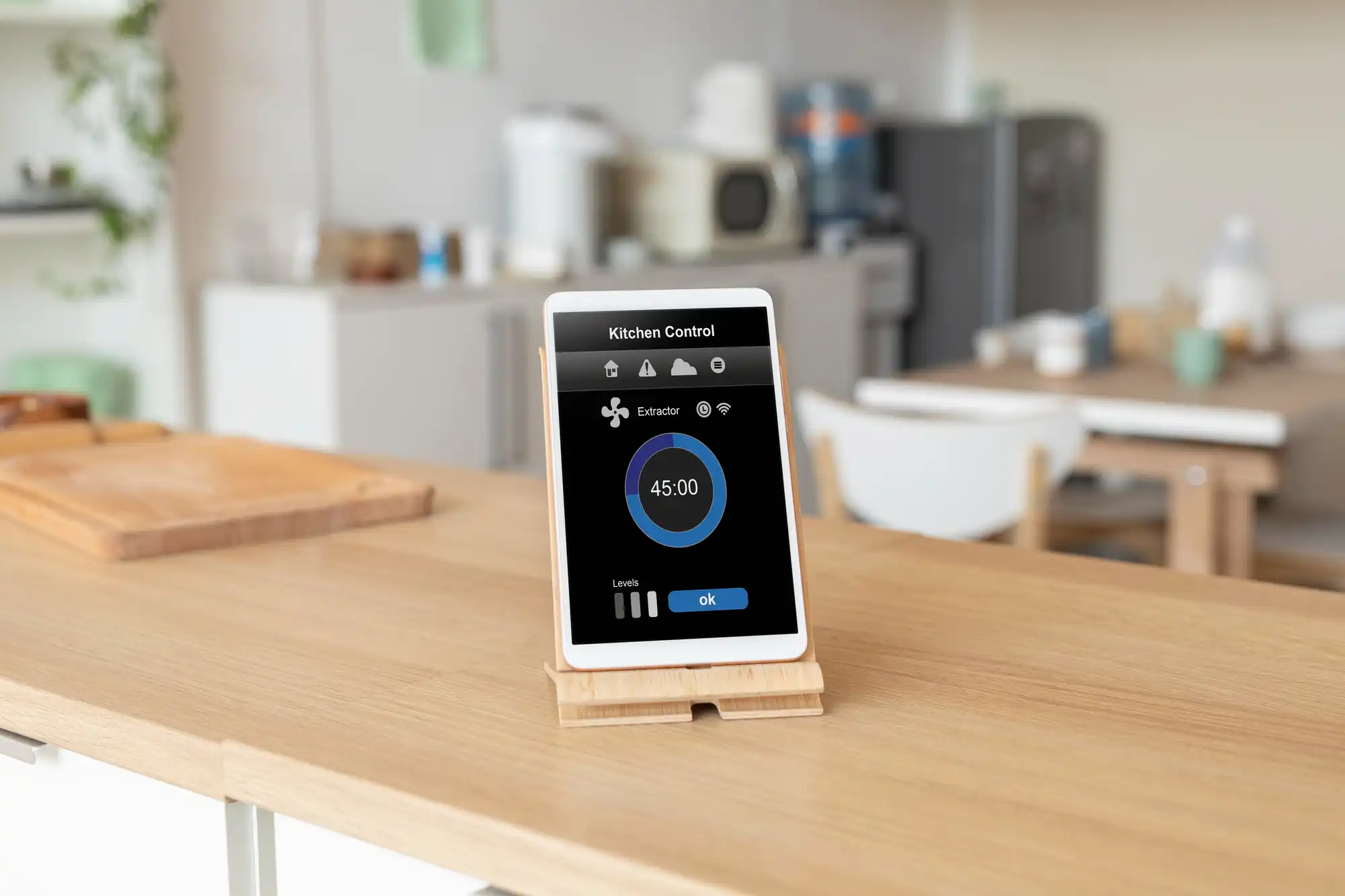
Modern open kitchens aren’t just beautiful—they’re intelligent. Incorporating smart home technology adds convenience, safety, and sophistication to your space.
Install USB-enabled outlets on your island for quick charging, add hidden power strips under counters, and integrate smart lighting systems you can adjust with your phone or voice commands. Built-in speakers or sound systems let you enjoy music or podcasts while cooking without cluttering the countertop.
Pro Tip: Choose tech that blends with your design—like recessed charging ports or appliances with matching panel fronts—to keep your open kitchen sleek and cohesive.
18. Nighttime Mood: Balance Bright Cooking Light with Relaxed Ambience
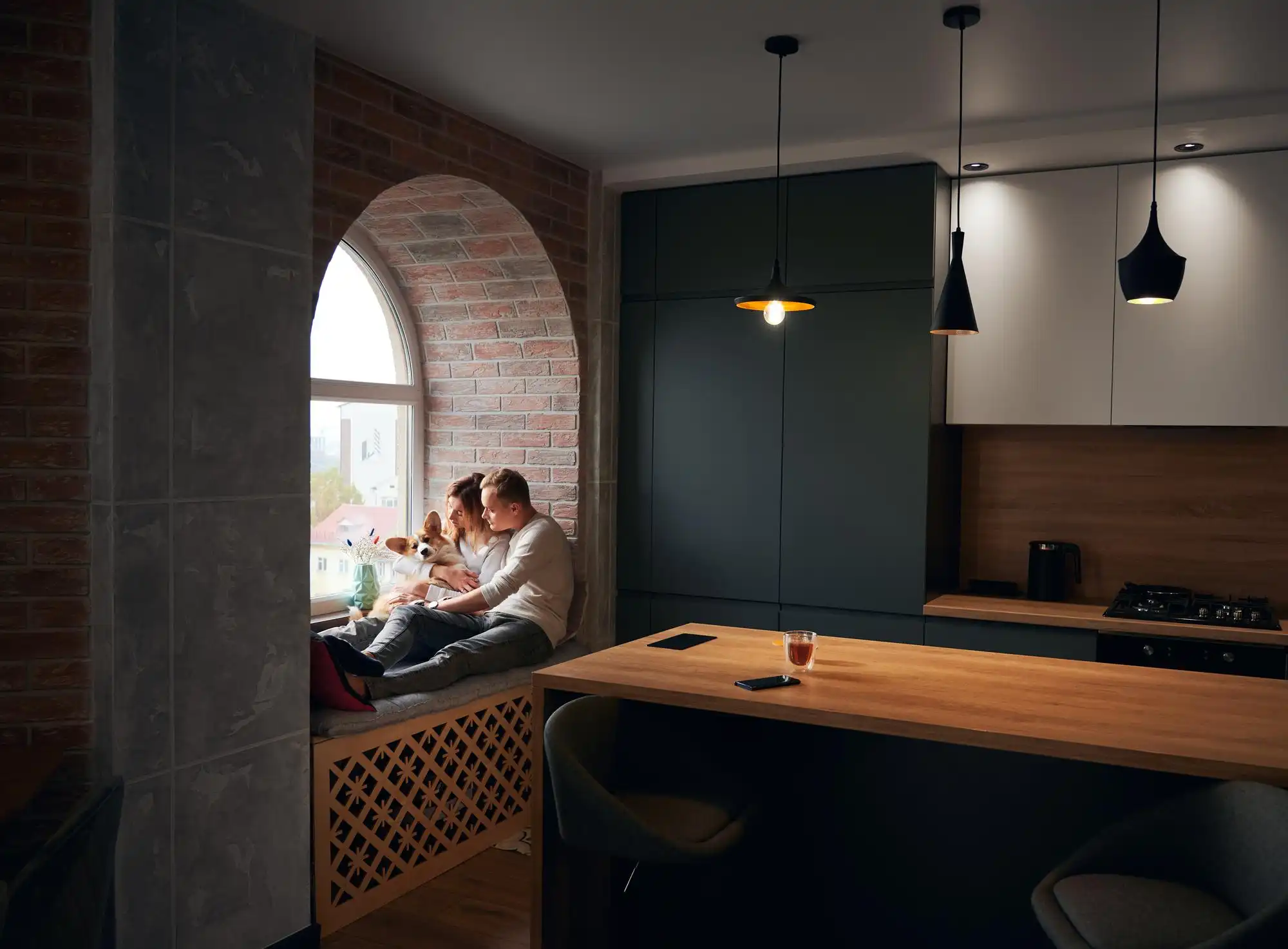
When the day winds down, your open kitchen should feel like part of your living space—not a workspace under harsh lights. Create a smooth transition from day to night with layered lighting and warm tones.
Use under-cabinet LEDs, toe-kick lighting, or soft pendant glow to add gentle ambience. Dimmers help shift from bright cooking mode to relaxed evening light, making your kitchen warm, inviting, and in tune with your home’s mood.
Pro Tip: Choose warm LED bulbs (around 2700K–3000K) to enhance coziness and maintain harmony between the kitchen and living areas at night.
Ready to Create Your Dream Open Kitchen?
Transform your space into a bright, functional, and welcoming open kitchen that suits your lifestyle. Our professional team can help you plan lighting, wiring, and layout design to make your kitchen both safe and stunning.
Contact us today to get expert advice and start turning your vision into a beautifully designed reality.
 English
  Arabic
  Spanish
  Japanese
  Russian
  Korean