

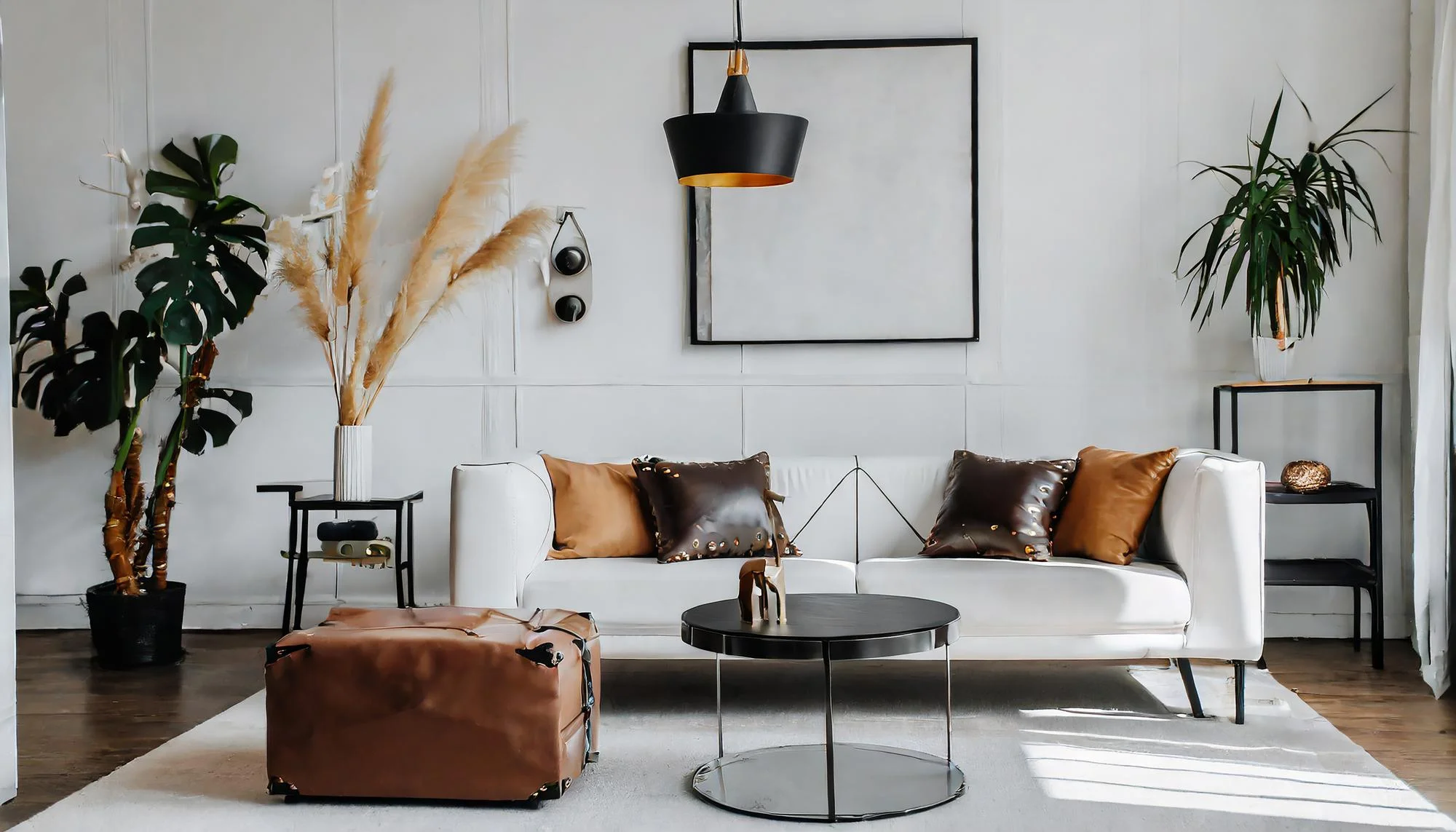
Your living room is the heart of your home — it’s where you unwind after a long day, spend time with family, welcome guests, and enjoy everyday moments. Because it plays so many roles, thoughtful design can make a big difference in how comfortable, functional, and inviting the space feels.
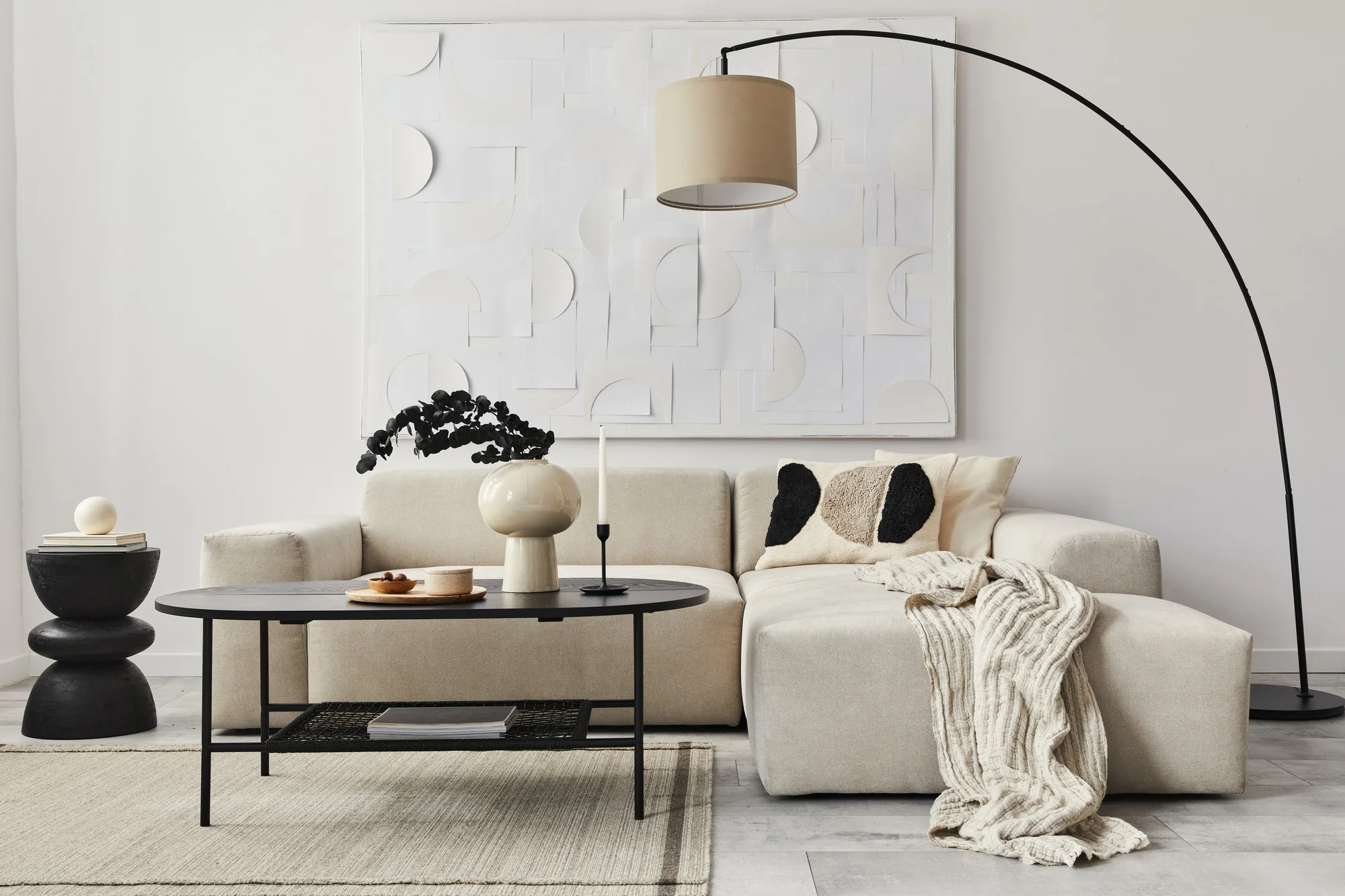
In this guide, we’ll walk through 15 creative living room design ideas that cover layout, colour palettes, texture layering, lighting choices, and ways to match your space to your lifestyle. Whether your room is large or compact, modern or traditional, these ideas will help you create a living room that looks great and works beautifully.
15 Living Room Design Ideas
1. Floating Furniture in an Open-Plan Layout
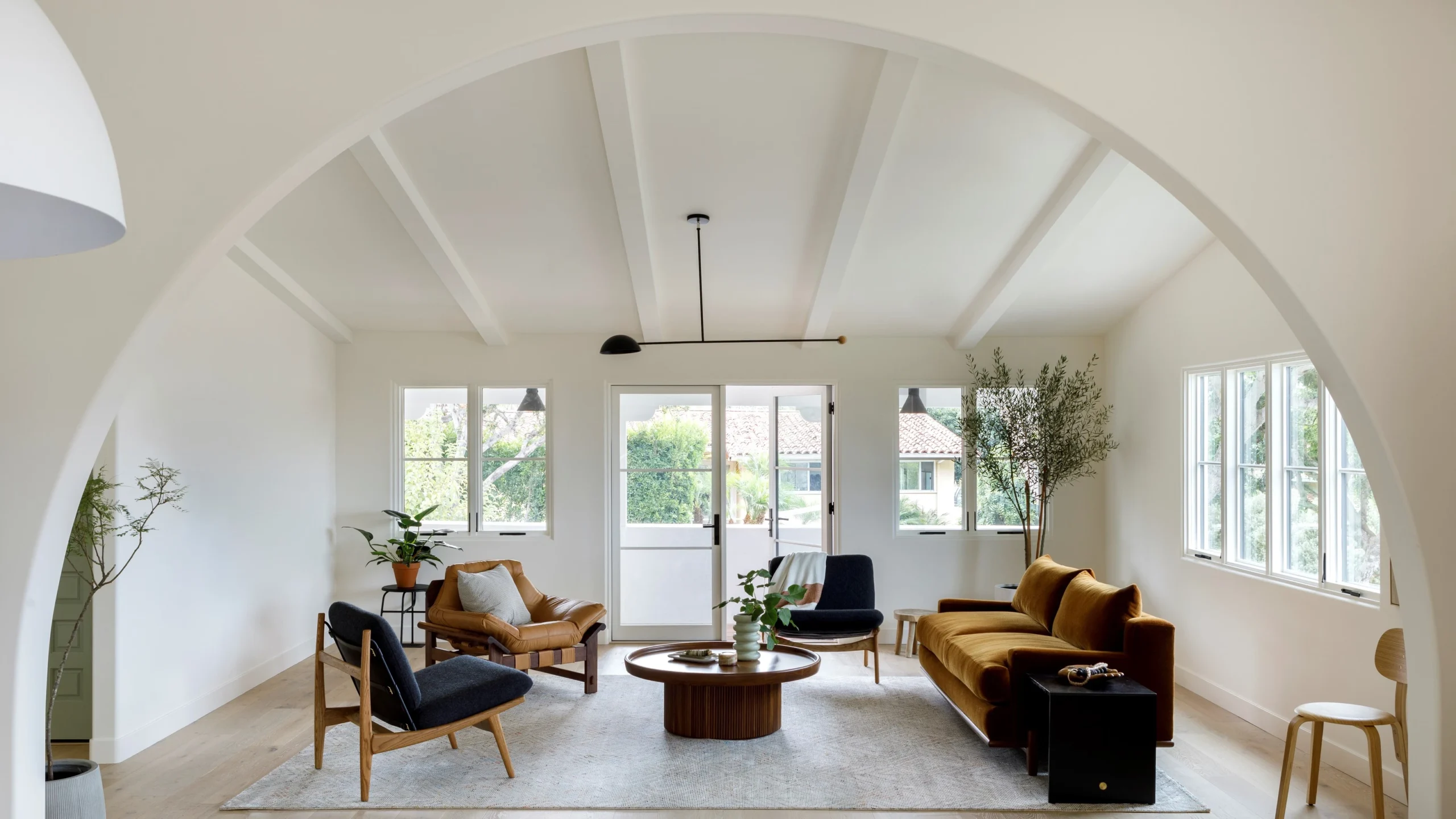
Instead of pushing everything against the walls, float your sofa and chairs toward the center of the room to create a natural conversation zone. This works well in open-plan homes because it defines the living area without using walls and keeps the space feeling airy and connected.
2. Bold Accent Wall with Warm Neutrals
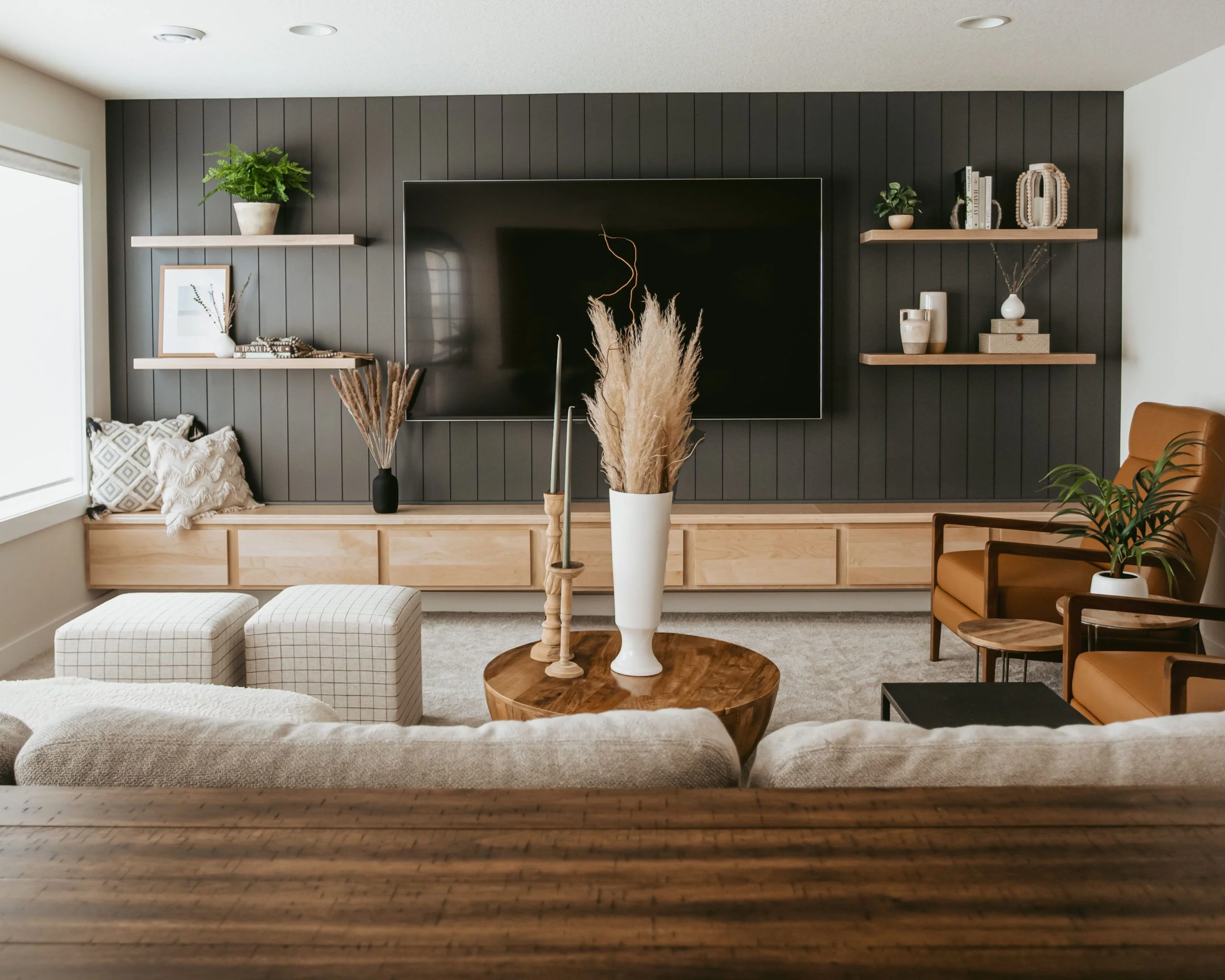
A bold accent wall—deep green, navy, or terracotta—adds instant personality while warm neutrals like beige, cream, and soft grey balance the look. This approach works because it creates a focal point without overwhelming the room and keeps the overall palette calm and welcoming.
3. Layered Textures for Depth and Warmth
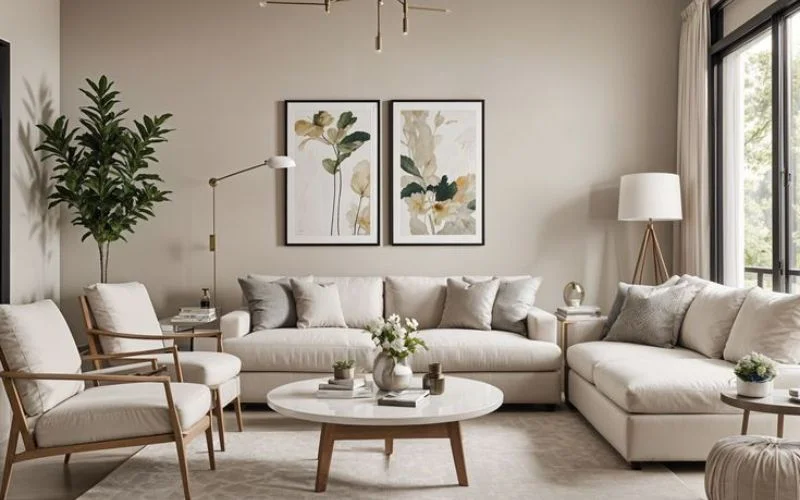
Mixing textures—like a soft rug, woven throw, velvet cushions, and wood accents—adds richness to your living room. Layering works because it prevents the space from feeling flat, especially in neutral rooms, and makes the environment more comfortable and visually engaging.
4. Mixed-Style Seating (Modern Sofa + Vintage Chair)
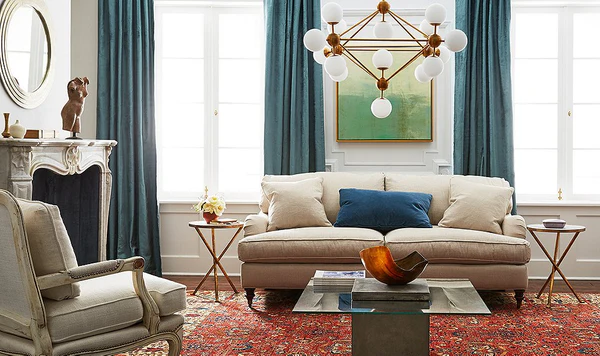
Combining a sleek modern sofa with a vintage armchair or side table adds character and avoids a “matched-set” look. This idea works because the contrast creates charm and visual interest while still feeling curated and intentional.
5. Warm Wood Tones & Organic Finishes
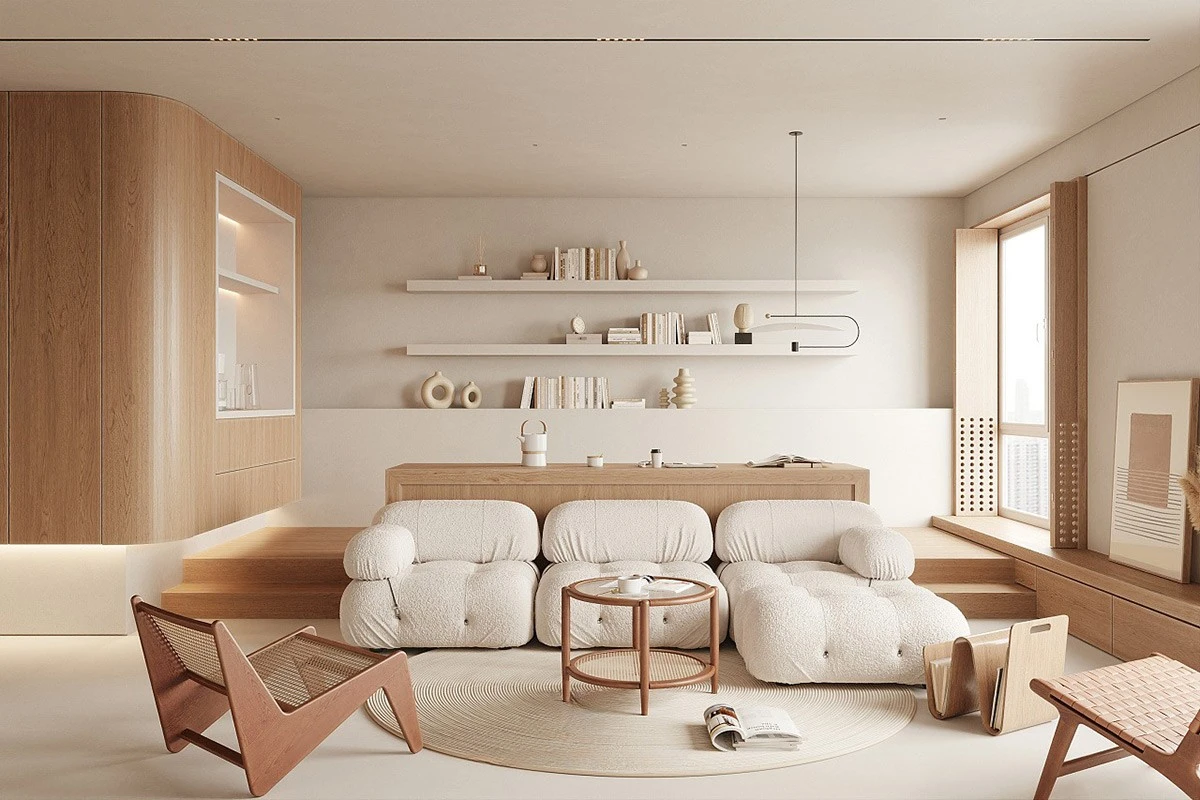
Incorporating wood furniture, woven baskets, stone décor, or linen fabrics brings a natural, grounded feel to the room. This works because organic textures soften the space and make it feel calm, especially in rooms that lean modern or minimal.
6. Monochromatic Palette with a Soft Accent Colour
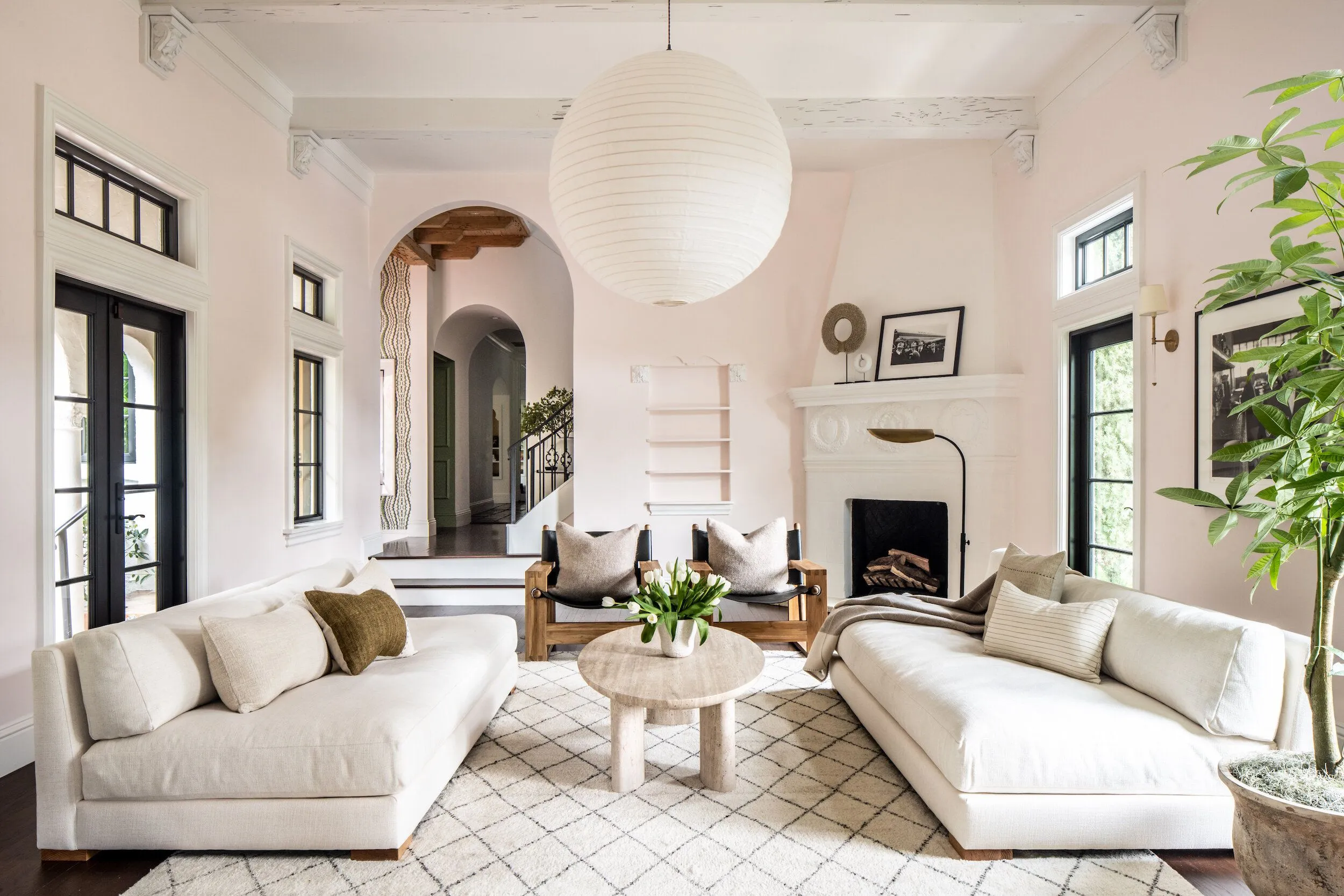
Using one colour family—like warm greys, creams, or beiges—creates a calm, seamless look. Add a gentle accent colour such as sage, blush, or soft blue to keep the room from feeling flat. This works because it creates harmony while still adding personality.
7. Curved Furniture & Sculptural Lighting for Flow
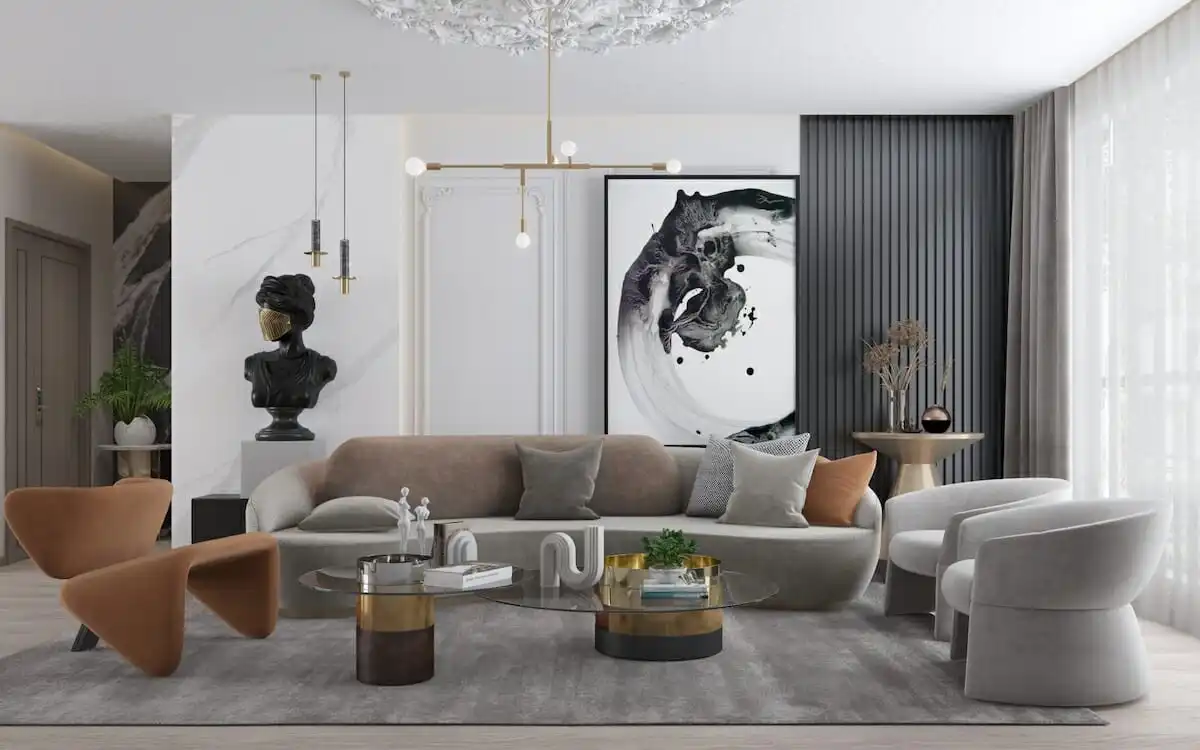
Sofas with rounded edges, arched lamps, and curved coffee tables soften the room and make movement easier. Sculptural lighting doubles as functional art. This idea works because curves reduce visual clutter and introduce a modern, elegant sense of flow.
8. Multi-Use Zone: Reading Nook or Work Spot
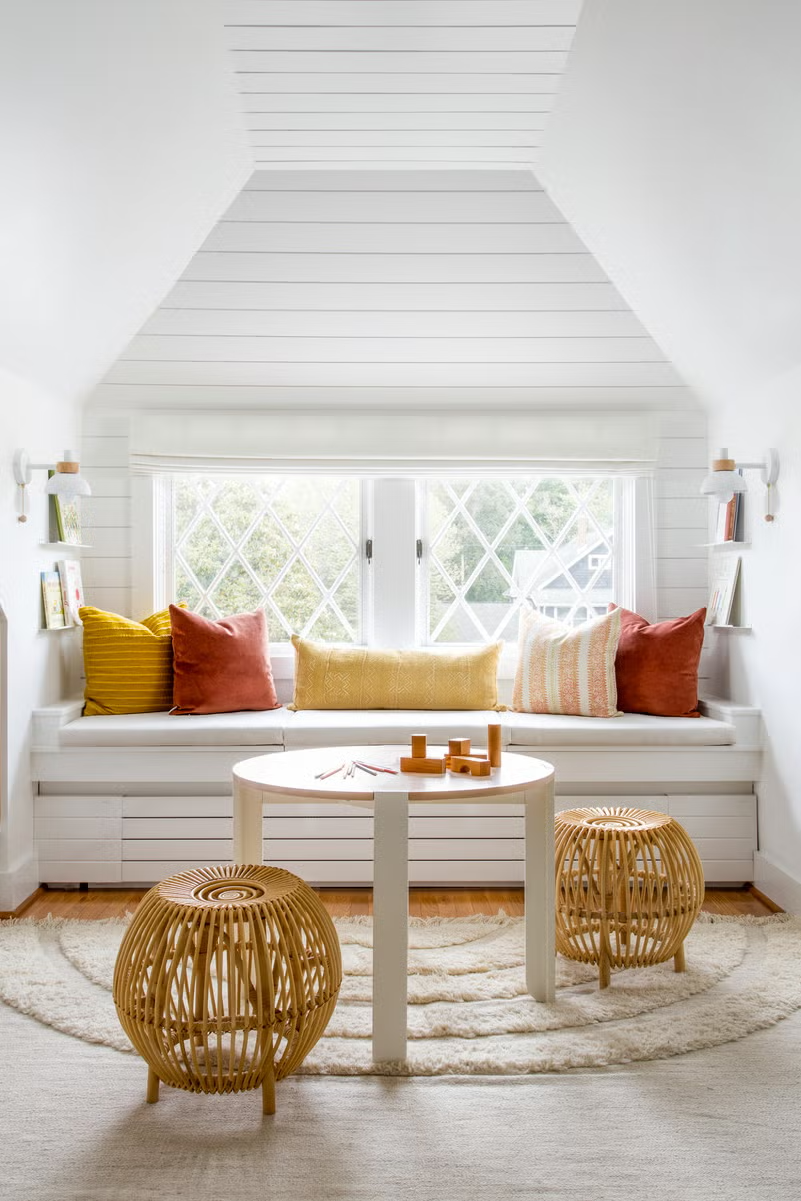
Use an empty corner to add a small reading chair, compact desk, or floating shelf. This gives the living room a secondary function without overcrowding it. It works well for modern lifestyles where living spaces need to adapt to work or relaxation.
9. High-Contrast Décor: Dark Furniture on a Light Backdrop
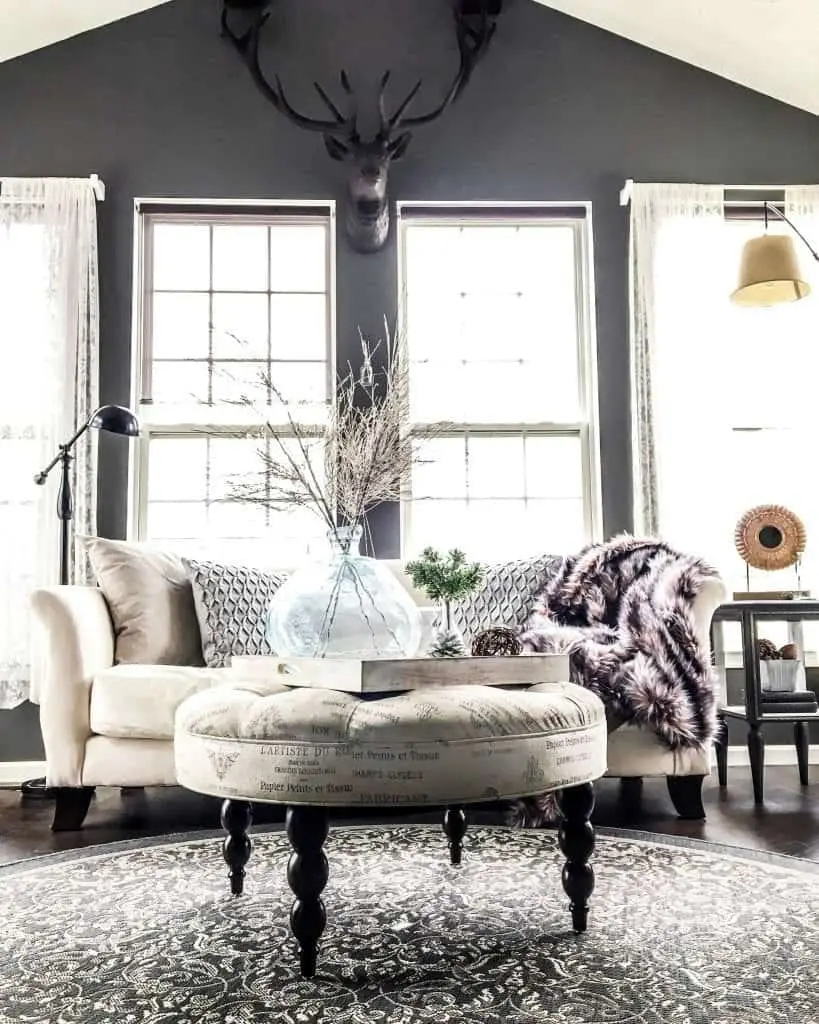
Pair a light wall colour with dark furniture—charcoal sofa, black metal frames, or walnut wood. The contrast makes the room feel crisp and modern. This works because it adds depth and drama while keeping the space visually balanced.
10. Built-In Storage & Display Walls for a Clean Look
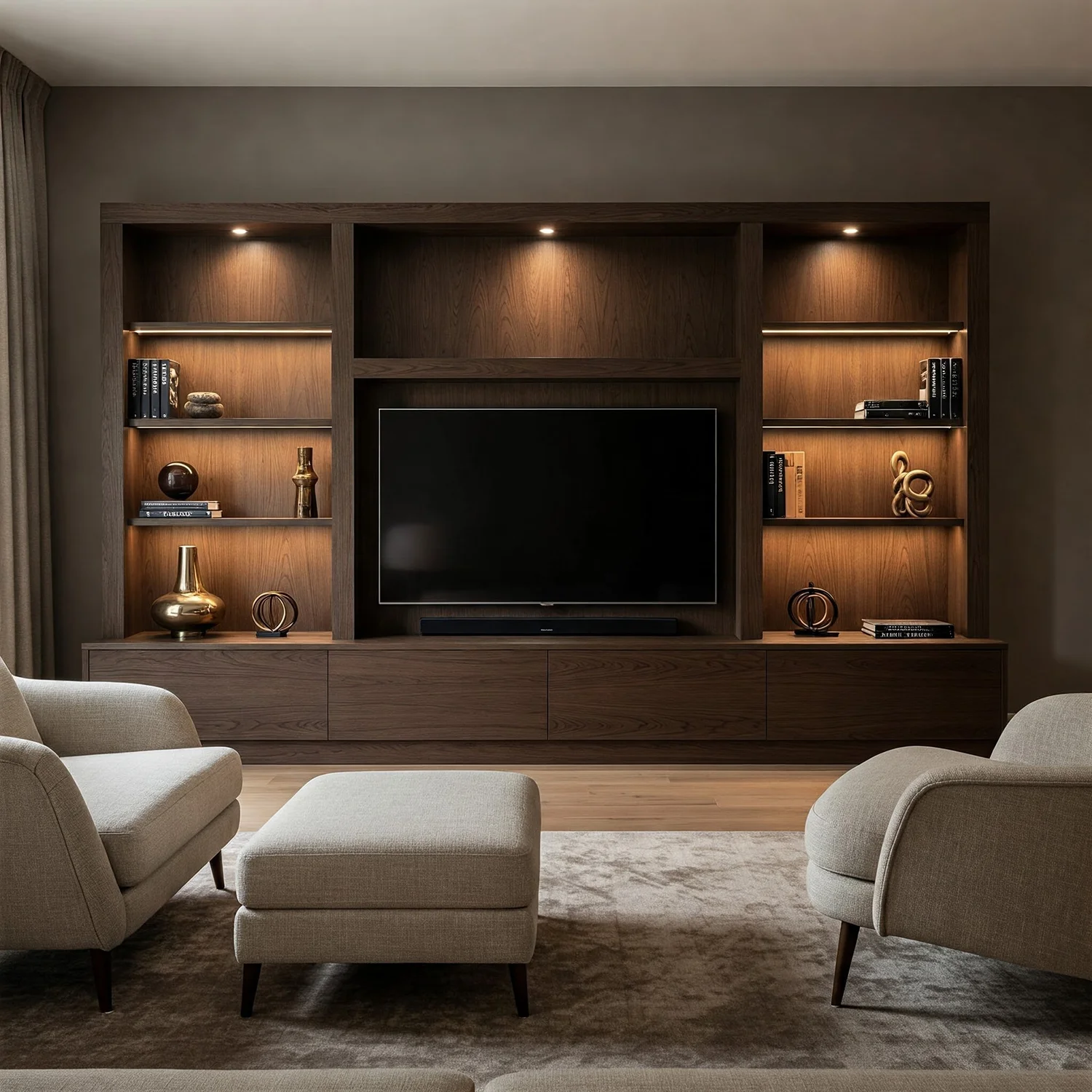
Floor-to-ceiling built-ins help hide clutter and show your favourite décor pieces. Choose closed cabinets for storage and open shelves for styling. This works because it maximizes vertical space and keeps the room tidy, especially in smaller homes.
11. Family-Friendly Layout with Durable, Modular Furniture
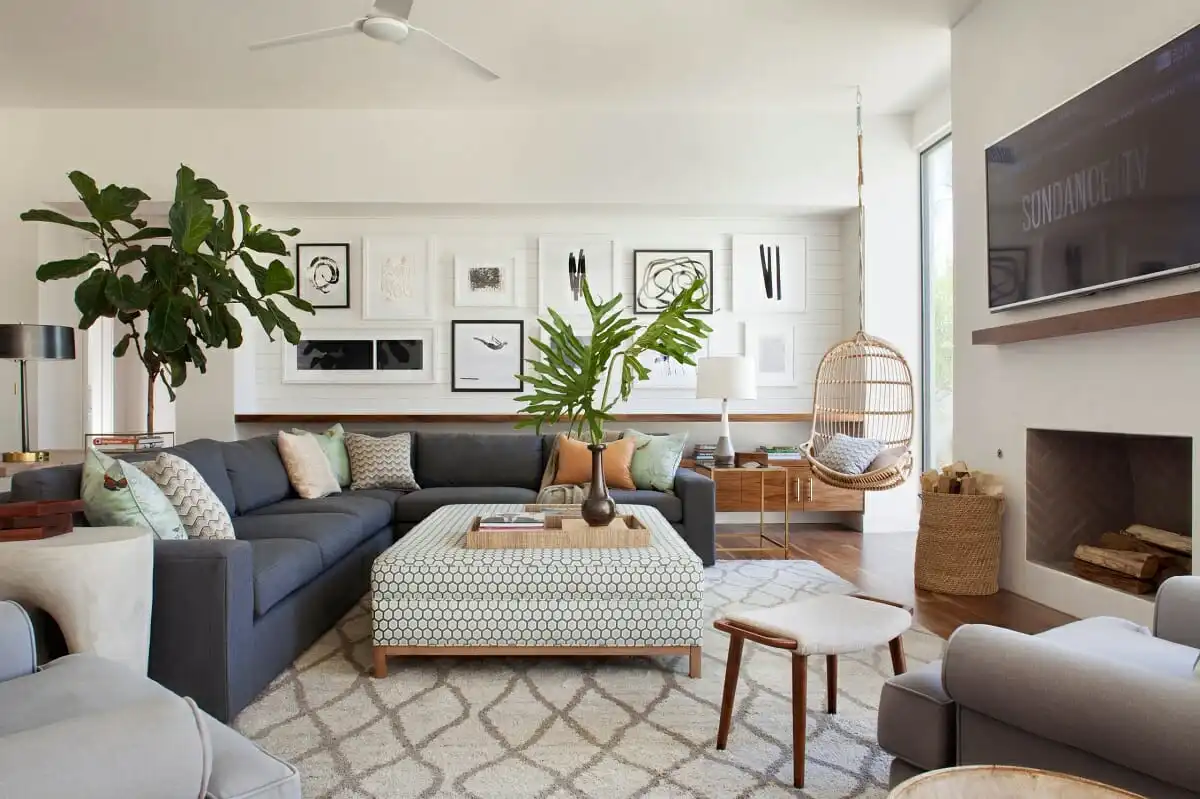
Choose stain-resistant fabrics, rounded edges, and modular sofas that adapt to daily life. Add hidden storage for toys and essentials. This works because it keeps the living room stylish while staying practical for kids, pets, and busy households.
12. Greenery and Plants to Soften a Modern Space
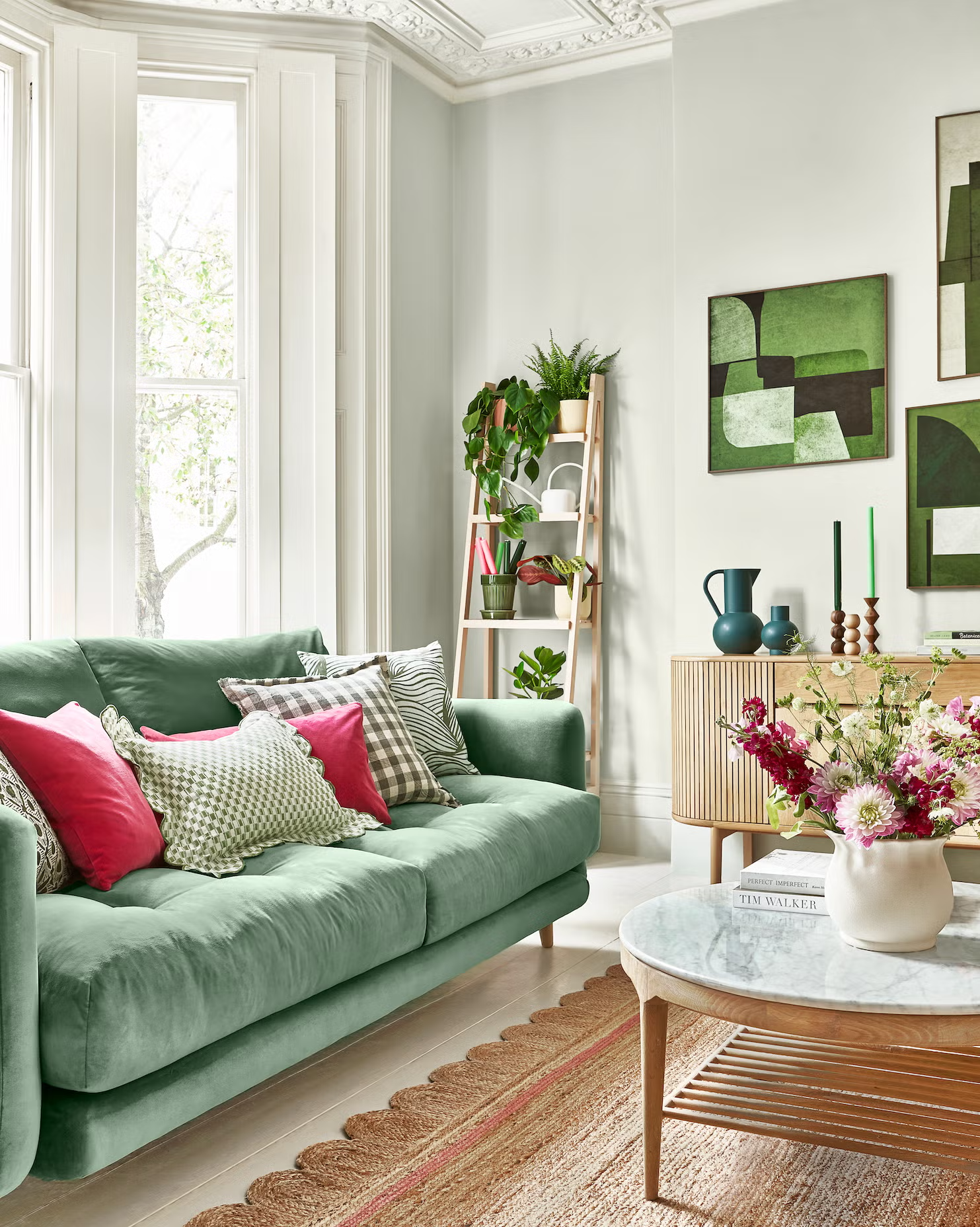
Adding plants instantly warms up sleek, modern rooms. Use a mix of tall floor plants and small tabletop pots to add depth. Plants work because they introduce texture, natural colour, and a relaxed atmosphere without overwhelming the design.
13. Gallery Wall Above Seating for Personal Expression
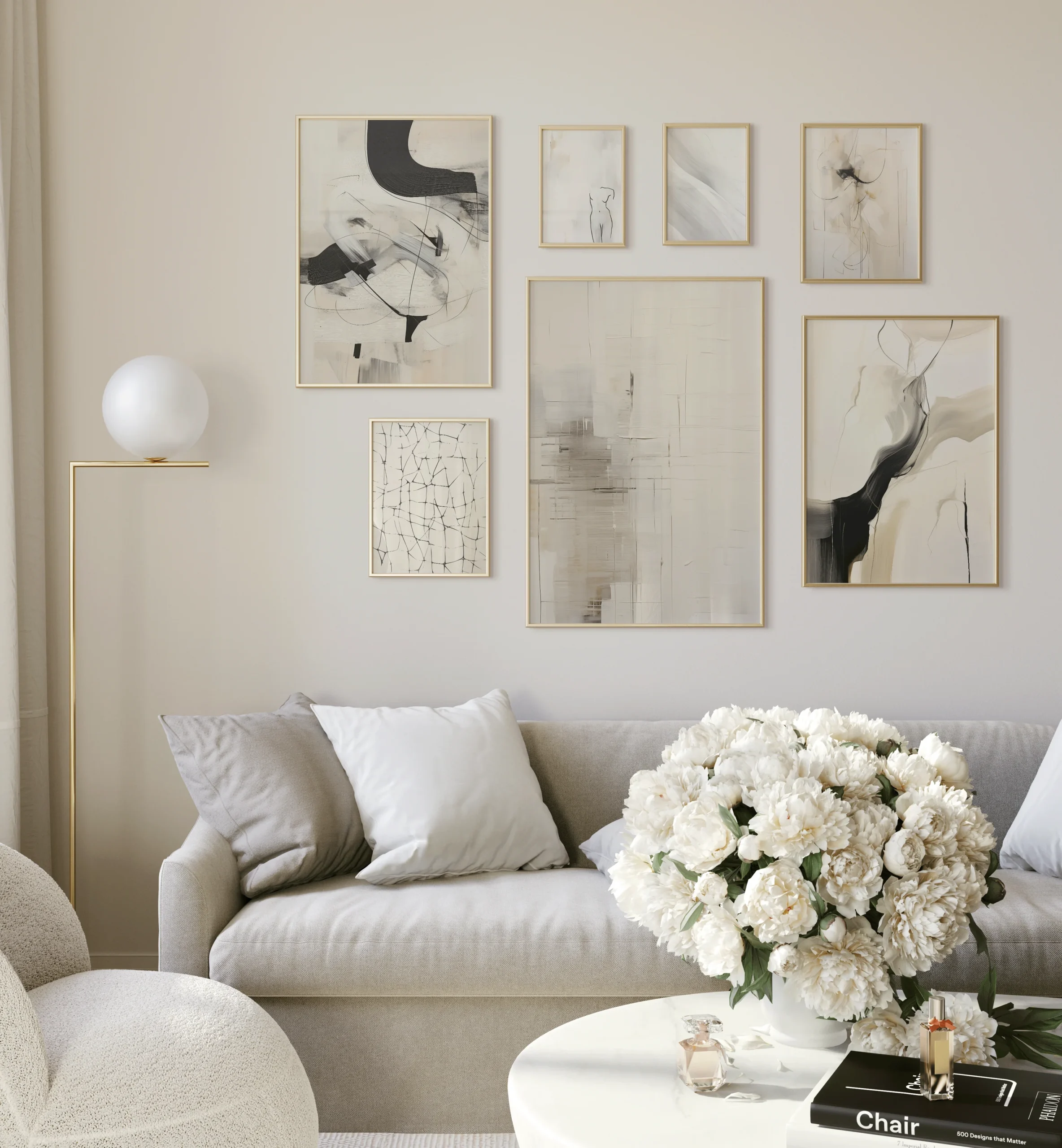
A curated gallery wall—photos, artwork, or framed prints—creates a focal point above your sofa. Mix frame sizes but stick to a cohesive palette. This idea works because it adds personality, draws the eye upward, and makes the space feel lived-in and stylish.
14. Window-Centric Design with Sheer Curtains
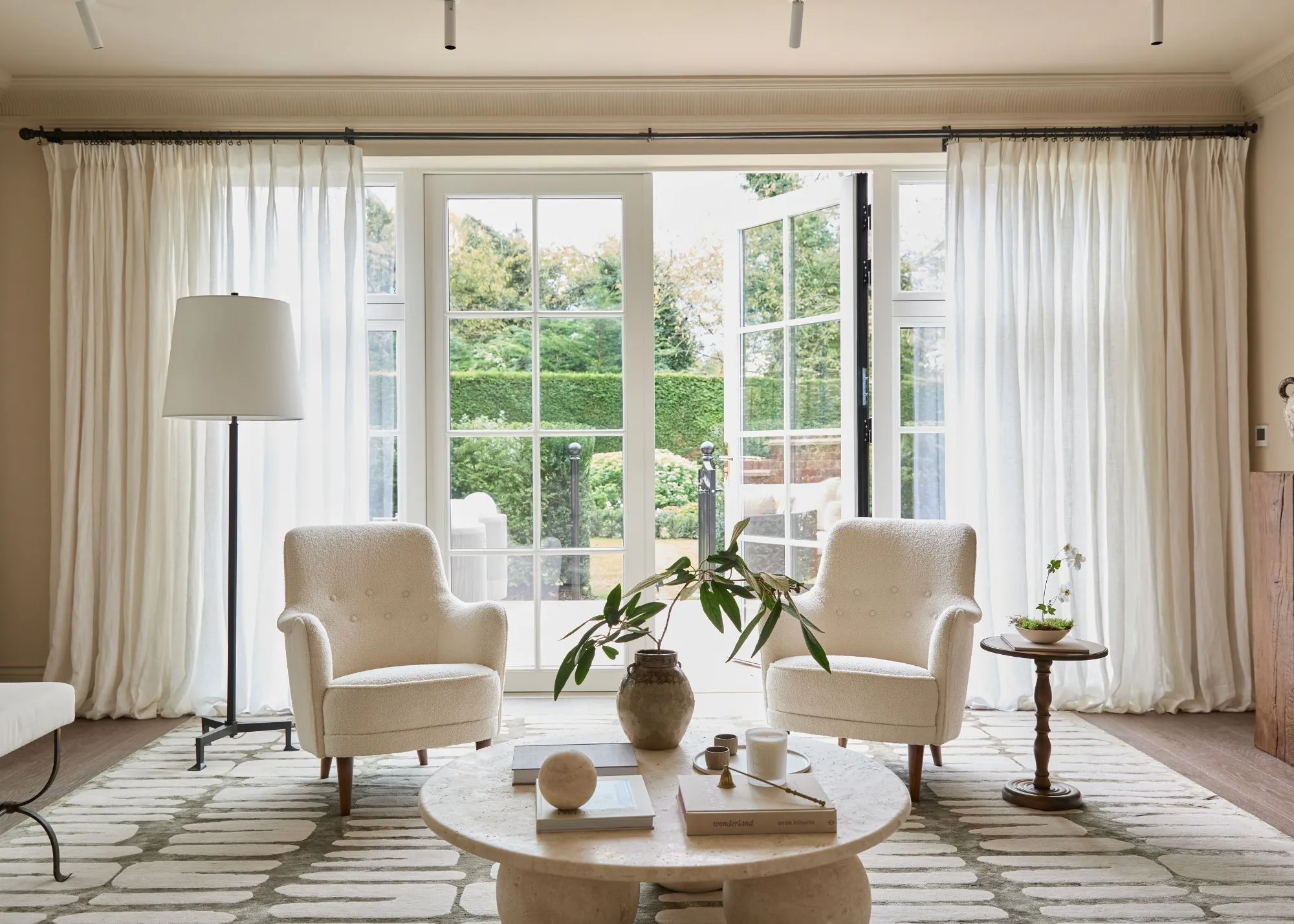
Highlight large windows by keeping treatments light and airy. Sheer curtains soften incoming light while maintaining openness. This approach works because it brightens the room naturally, enhances views, and makes even small spaces feel expansive.
15. Mix of Materials: Velvet + Metal + Wood
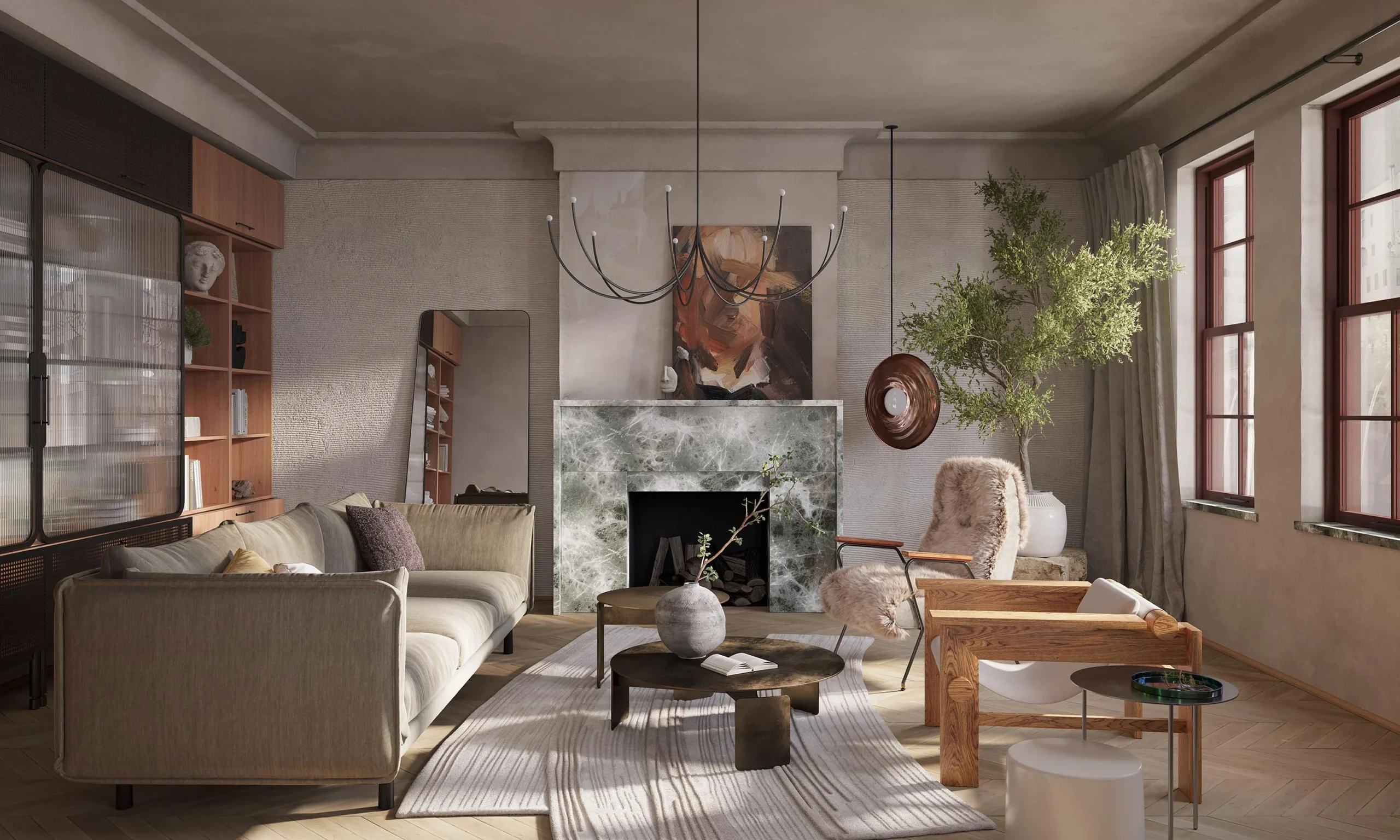
Layering different textures—like velvet seating, metal accents, and warm wood furniture—adds richness and depth. This combination works because it prevents the room from feeling flat and creates a balanced, modern-meets-cozy atmosphere.
 English
  Arabic
  Spanish
  Japanese
  Russian
  Korean