

Kitchen flooring plays a major role in how your space looks, feels, and performs every day. Because the kitchen is one of the busiest rooms in the home, the flooring needs to handle constant movement, spills, heat, and cleaning—while still adding to the style of the room.
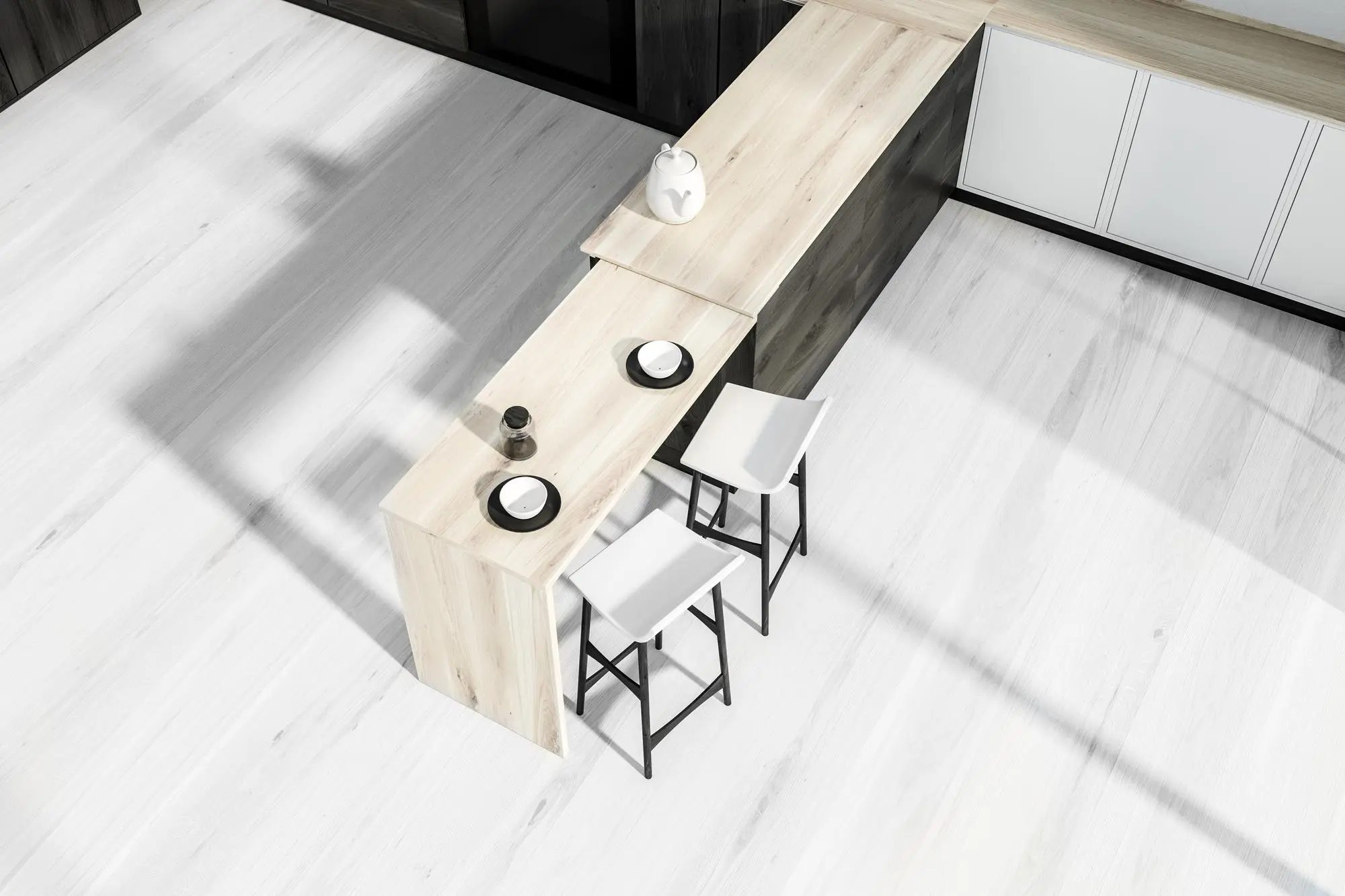
The right material can make cooking more comfortable, brighten the space, and improve long-term durability. Choosing wisely also helps your kitchen stay beautiful and functional for years, even with heavy daily use.
Key Considerations
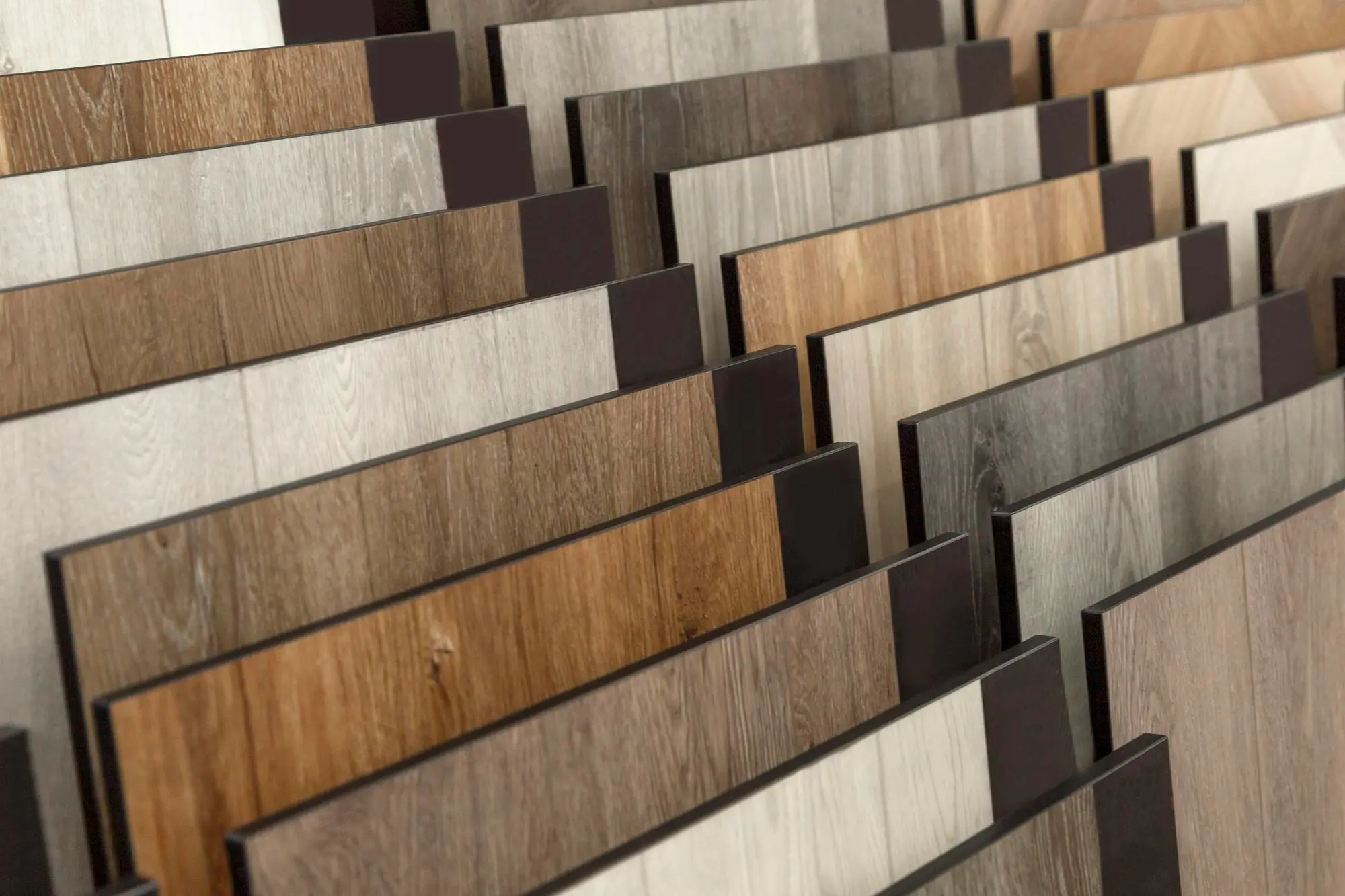
When choosing the best kitchen flooring, keep these factors in mind:
Durability
Kitchens face heavy foot traffic, dropped utensils, dragged stools, and daily wear. Strong, scratch-resistant materials like tile, stone, or quality vinyl handle this best.Water & Stain Resistance + Comfort
Spills and splashes happen often. Waterproof or water-resistant floors reduce long-term damage. Also consider comfort—materials like vinyl and cork feel softer underfoot than tile.Budget & Installation
Flooring prices vary widely. Vinyl and laminate are budget-friendly, while natural stone and engineered hardwood cost more. Some materials are DIY-friendly; others require professional installation.Style & Cohesion
Your floor should support your kitchen’s design. Match tones with cabinets, benchtops, and lighting. Wood-look options add warmth; tile can create a clean, modern feel.Future Trends & Sustainability
Eco-friendly choices such as bamboo, cork, or recycled materials are rising in popularity. Matte finishes, wide planks, and stone-look tiles also lead current trends while staying timeless.
Top Kitchen Flooring Materials (Pros & Cons)
Porcelain Tile
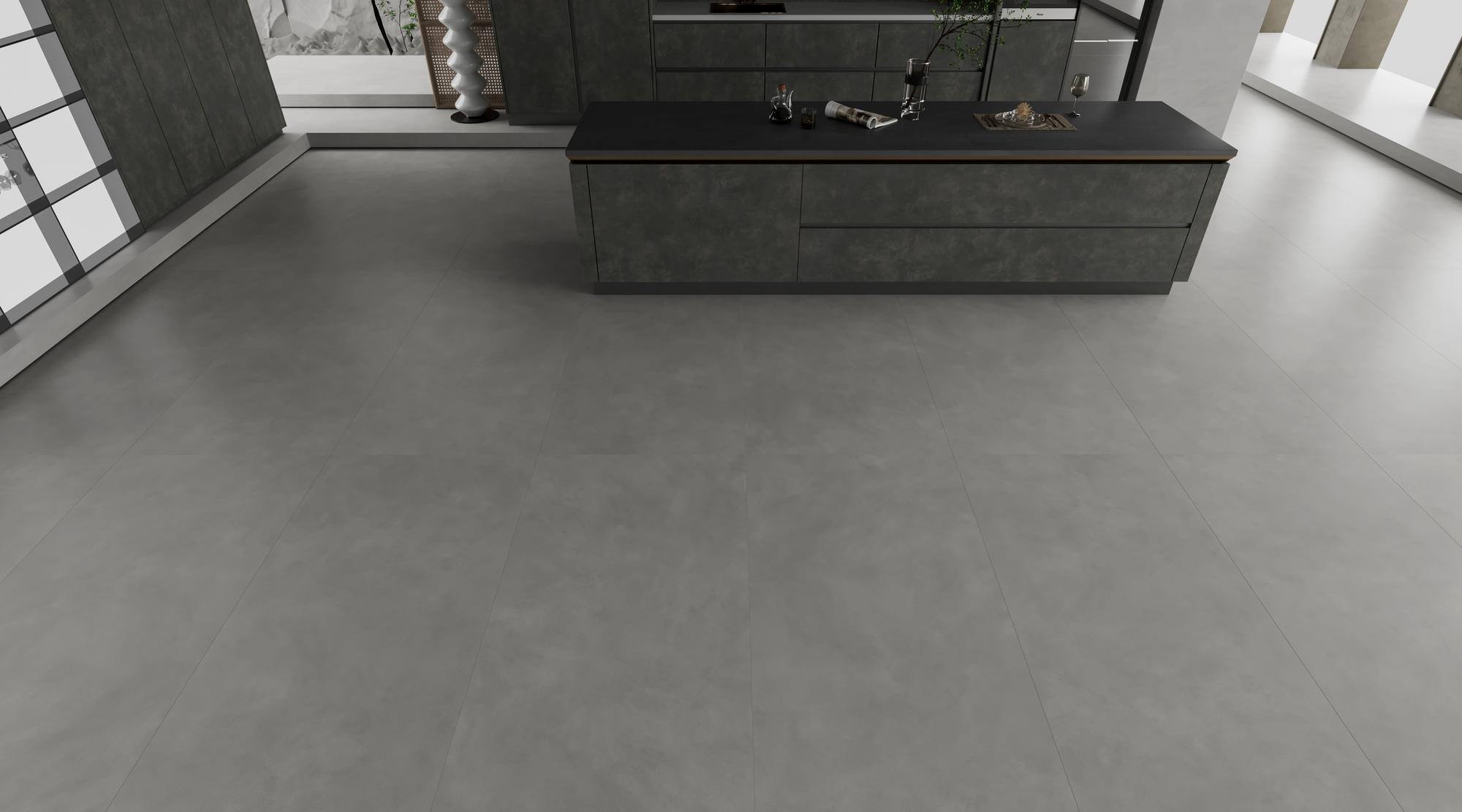
Porcelain tile is one of the most durable flooring options for kitchens. It’s fully waterproof, highly scratch-resistant, and performs well under heavy traffic or spills. Because it’s dense and hard, it works beautifully in hot zones near ovens or cooktops. The main downside is cost—both the tile and installation are on the higher end. It can also feel cold and hard underfoot, so adding mats in prep areas helps.
Ceramic Tile
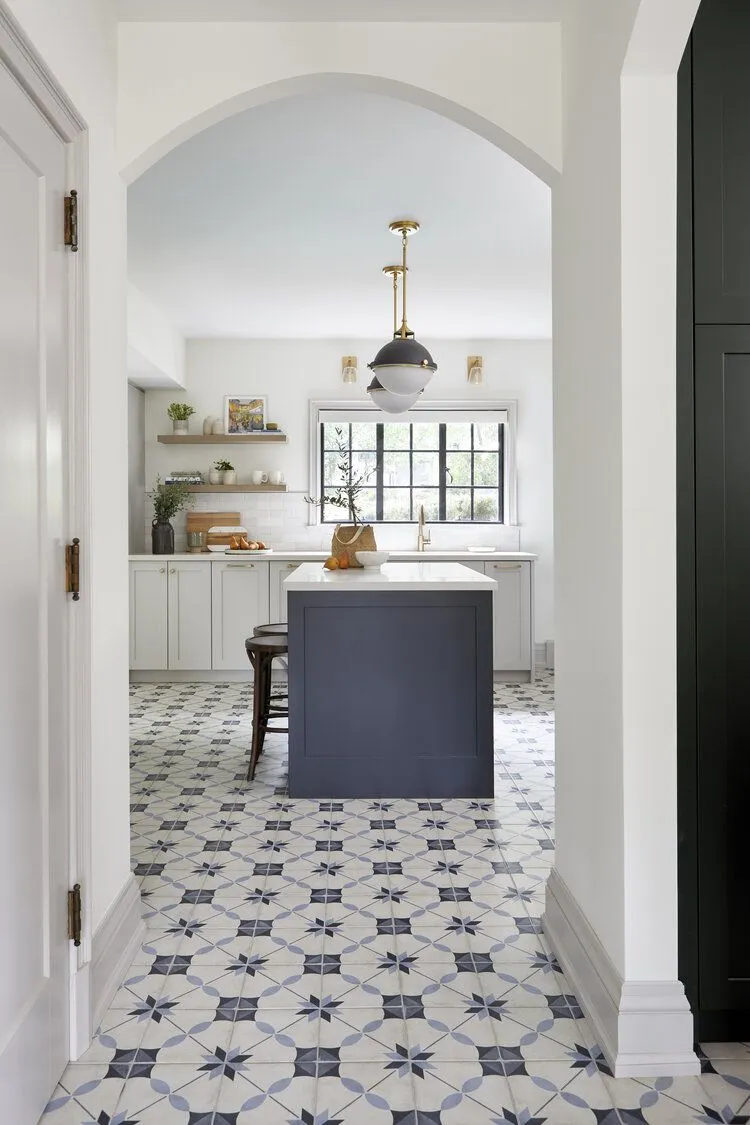
Ceramic tile offers a wide range of styles at a more affordable price than porcelain. It’s moisture-resistant, easy to clean, and available in many colors, textures, and shapes, making it easy to match any kitchen aesthetic. While durable, ceramic is slightly softer and more prone to chipping than porcelain. Like all tile, it can feel firm underfoot and may require grout upkeep.
Engineered Hardwood
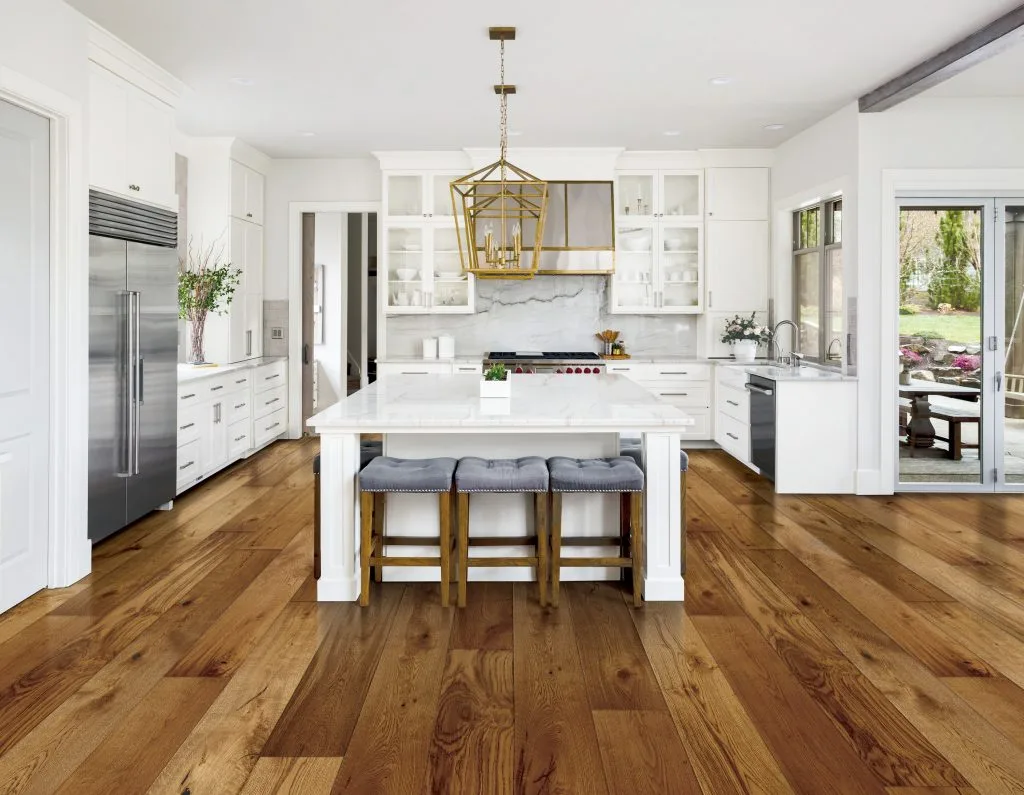
Engineered hardwood provides a warm, natural look without the moisture risks of solid wood. Its layered construction helps it resist slight humidity changes, making it suitable for most kitchens. It gives the space a cozy, premium feel. However, it’s still more sensitive to water than tile or vinyl, so spills should be cleaned promptly. Refinishing options vary based on thickness.
Luxury Vinyl Plank (LVP)
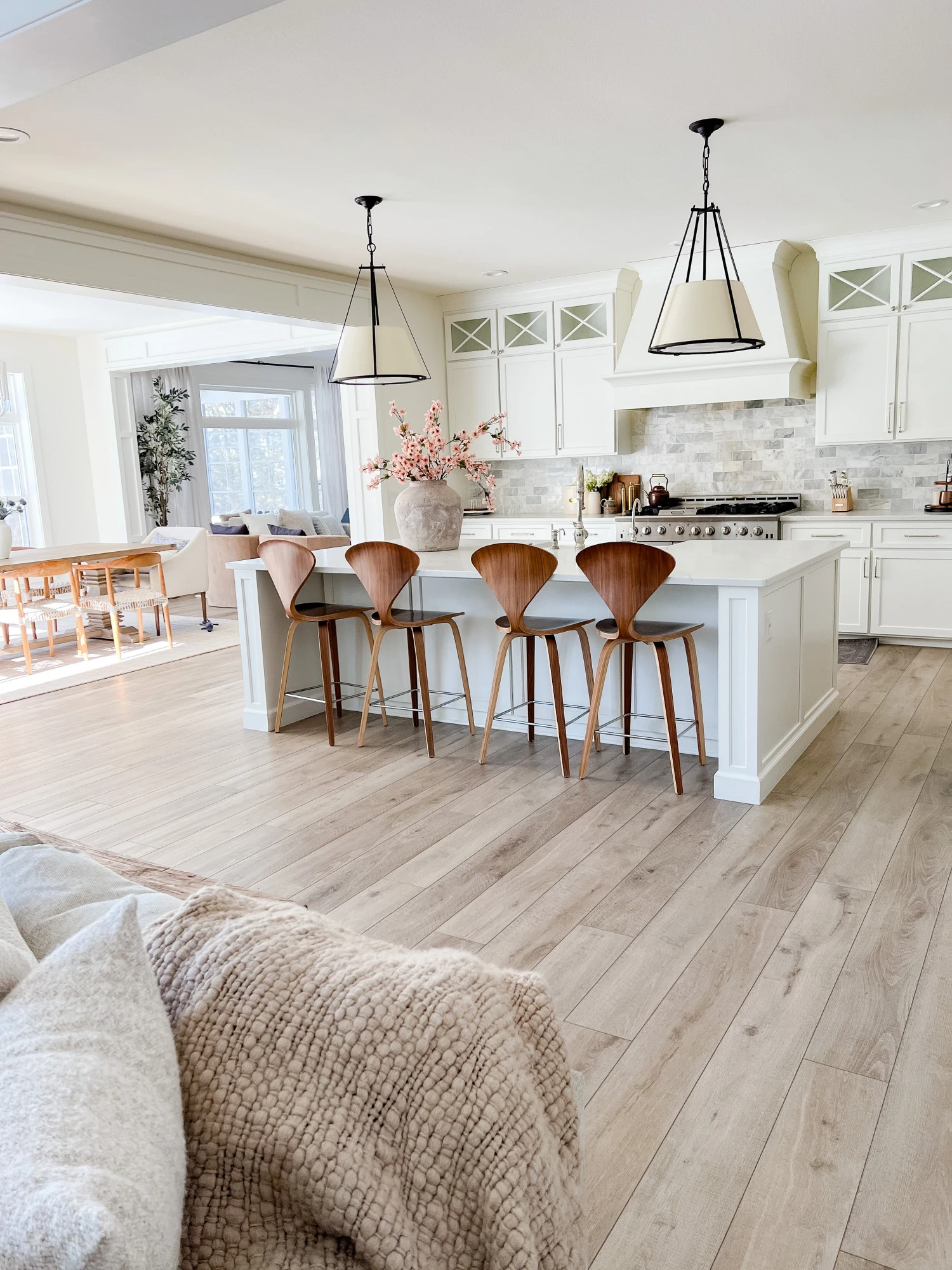
LVP is a waterproof, budget-friendly flooring option that’s comfortable to walk on and easy to maintain. It imitates wood or stone well and works perfectly for busy households or rental properties. Its main limitation is long-term resale value—while practical, it’s not viewed as “premium” compared to hardwood or stone. Still, for affordability and durability combined, LVP is hard to beat.
Natural Stone
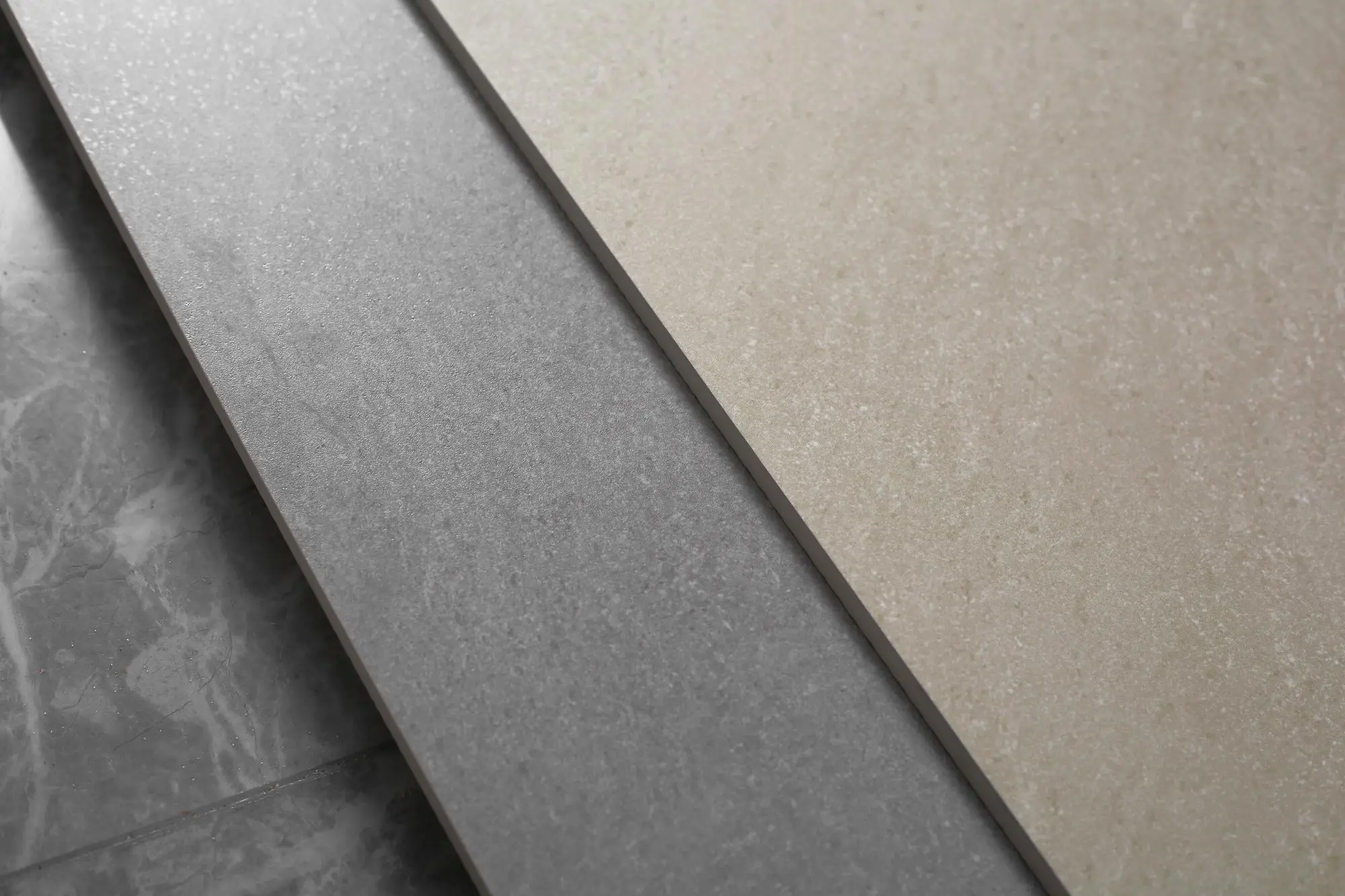
Natural stone—such as slate, marble, or travertine—offers a luxurious, organic finish that elevates any kitchen design. Each piece has unique color variations and textures. Stone is extremely durable but requires sealing and regular upkeep to protect it from stains and moisture. Costs for both material and installation are high, and some stones can be slippery or porous without proper treatment.
Hybrid / Resilient Flooring (Cork, Bamboo, Eco Options)
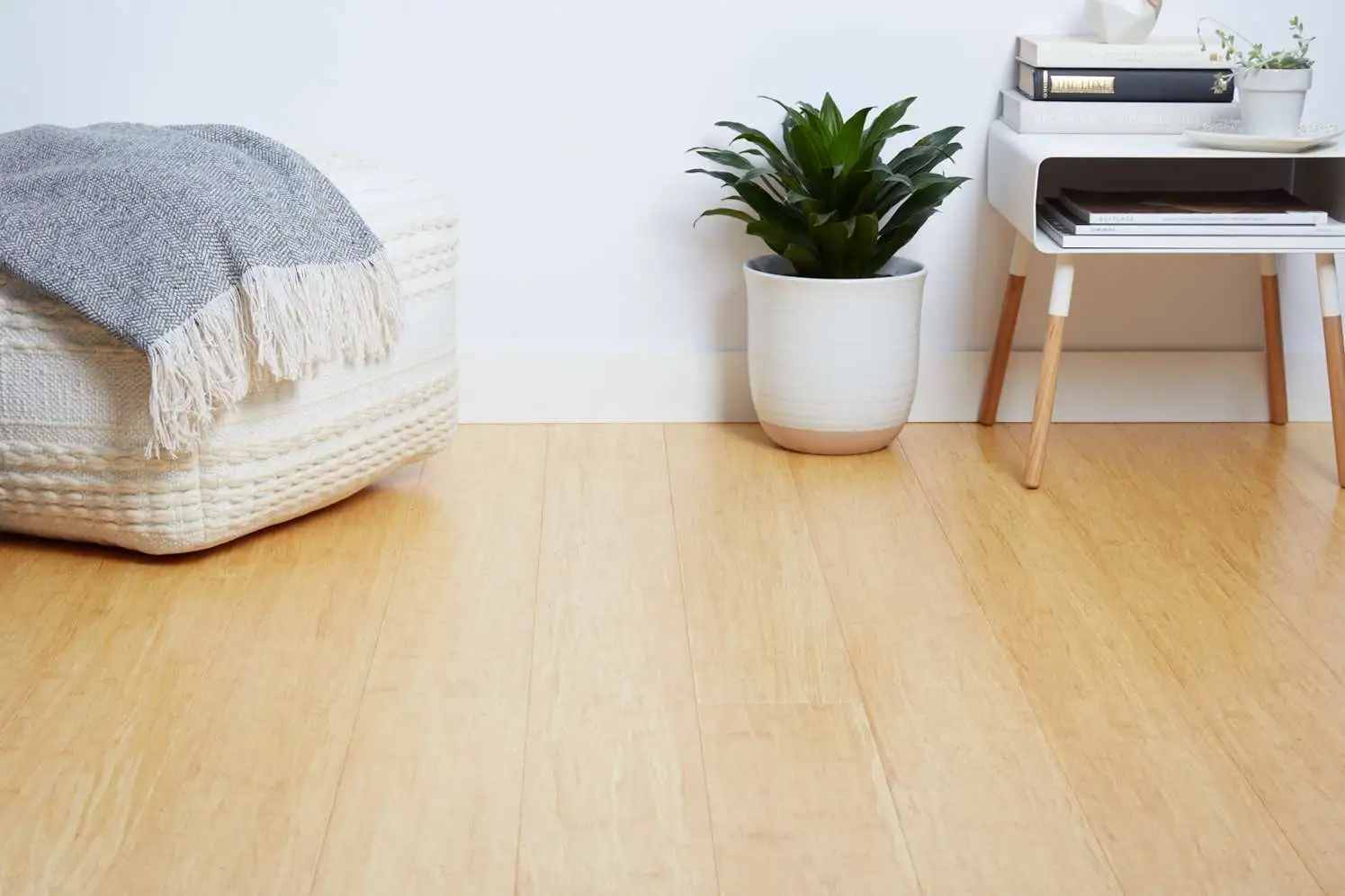
Hybrid and resilient materials like cork, bamboo, and other sustainable blends provide comfort underfoot while supporting eco-friendly design. Cork is soft, warm, and great for long cooking sessions, while bamboo offers the look of hardwood with better sustainability. These materials tend to resist scratches moderately well but may need protective finishes to guard against moisture or dents.
Matching Material to Kitchen Use & Layout
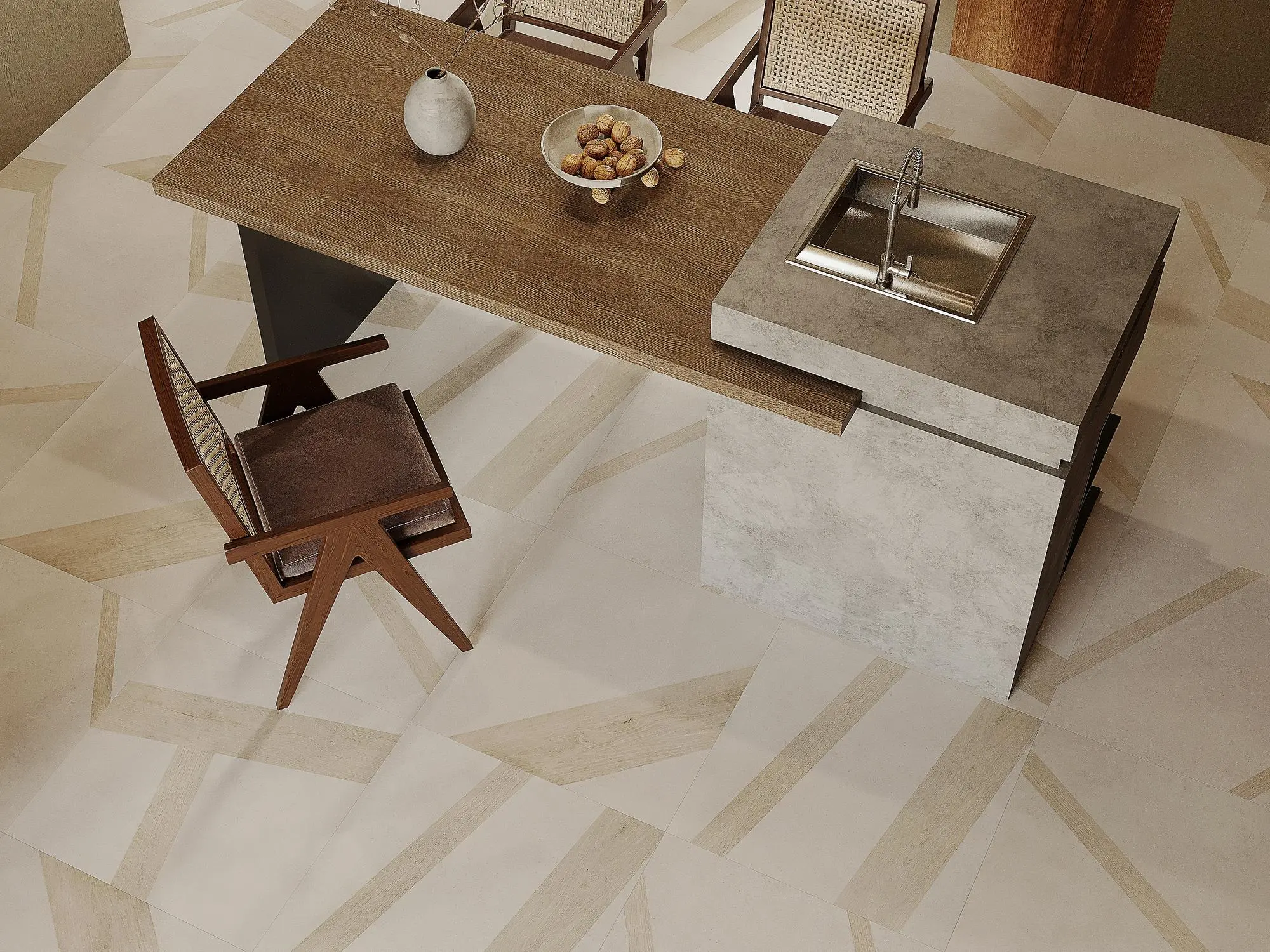
Choosing the right flooring depends on how your kitchen works day-to-day and how the space is shaped. Think about how you move, how much traffic the room gets, and who uses it.
Small vs large kitchens
Small kitchens benefit from flooring that makes the room feel open—light-toned tile, LVP, or narrow planks help avoid visual crowding. Large kitchens can comfortably use stone, wide-plank wood looks, or bold patterned tile without overwhelming the space.High-traffic vs light-use areas
Busy kitchens with constant cooking, kids running through, or frequent entertaining need tough, waterproof options like porcelain tile, LVP, or stone. Light-use kitchens can safely choose materials that are more delicate or design-forward, such as engineered hardwood or matte stone.Children and pets households
Families with kids or pets often prefer scratch-resistant, easy-to-clean floors. LVP, porcelain tile, and hybrid flooring hold up well to spills, claws, and messes. Softer materials such as cork are great for comfort but may dent more easily.
Trends & Future Proofing
Staying aware of flooring trends helps you choose something stylish that won’t feel outdated too quickly.
Matte vs glossy finishes
Matte surfaces feel modern and hide smudges, water spots, and scratches better than glossy finishes. Glossy tile is still used for certain styles but requires more upkeep.Wide-plank formats, wood-look tile, sustainable flooring
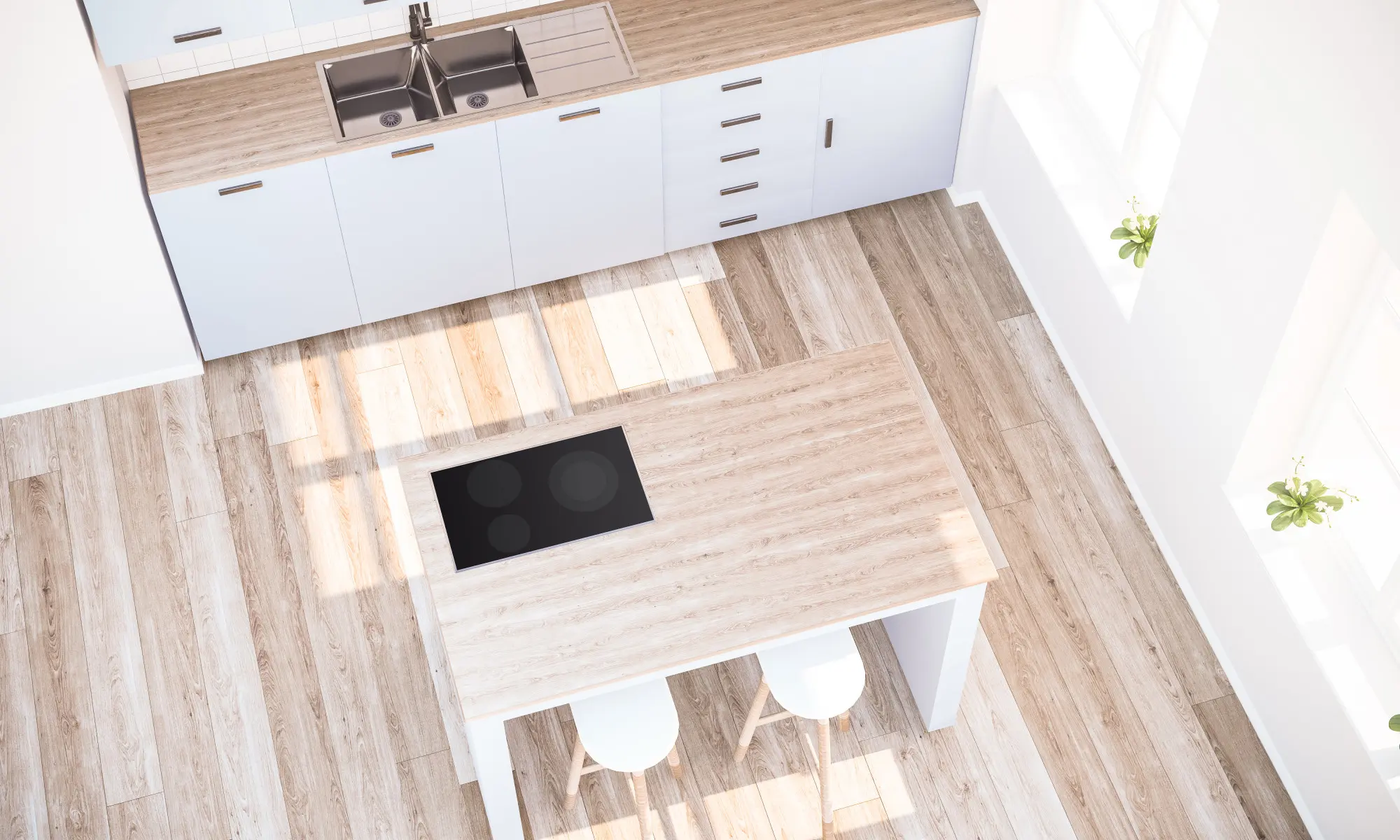
Wide planks create an open, seamless look. Wood-look porcelain tiles continue to trend for their mix of warmth and durability. Sustainable options—like bamboo, cork, and recycled materials—are rising as homeowners focus on eco-friendly design.Materials falling out of favour
High-gloss tiles, overly patterned vinyl, and soft woods without protection are becoming less popular because they show wear quickly. The long-term safe picks remain: quality porcelain, durable LVP, and engineered hardwood in natural tones.
 English
  Arabic
  Spanish
  Japanese
  Russian
  Korean