What Are Light Kitchen Cabinets?

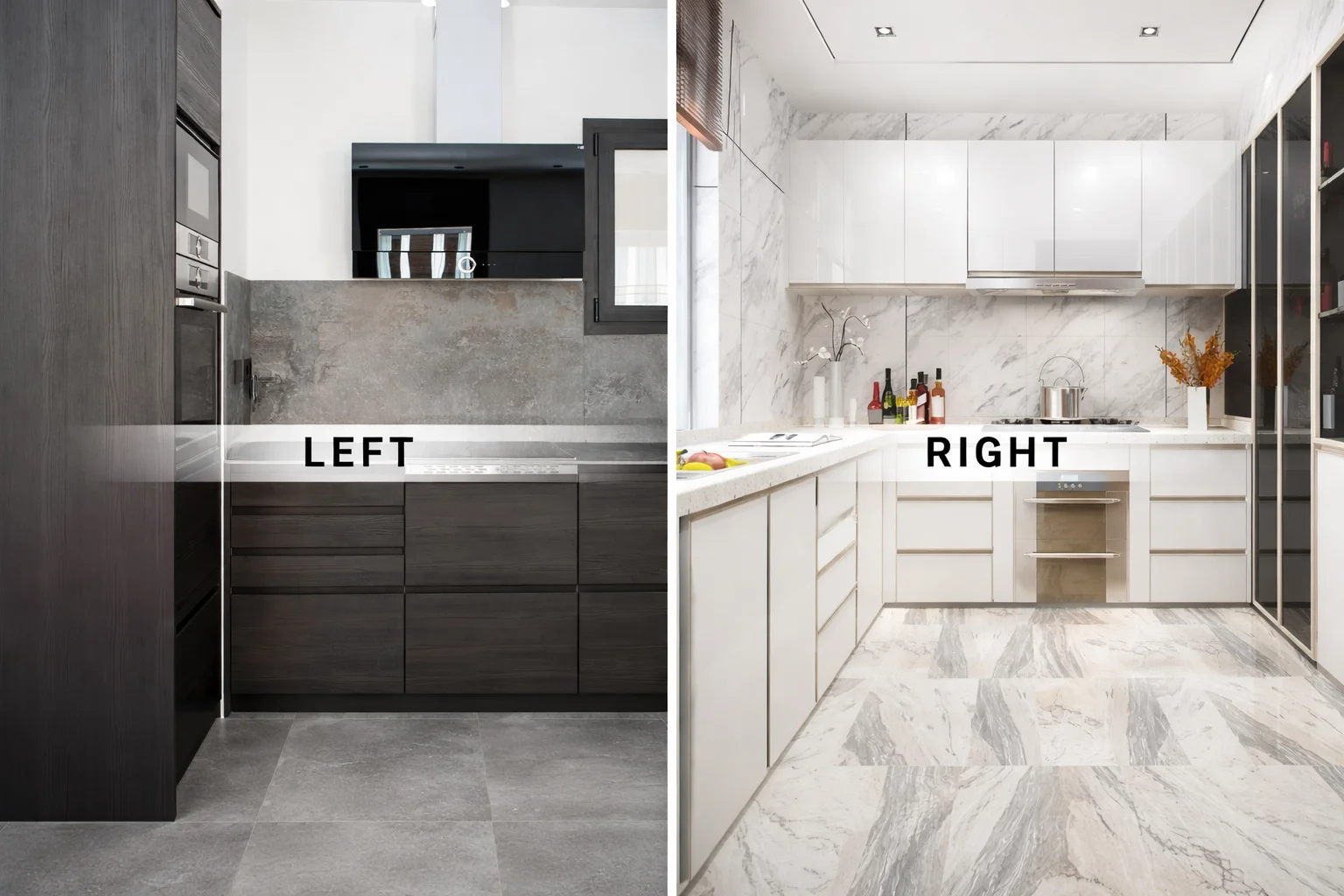
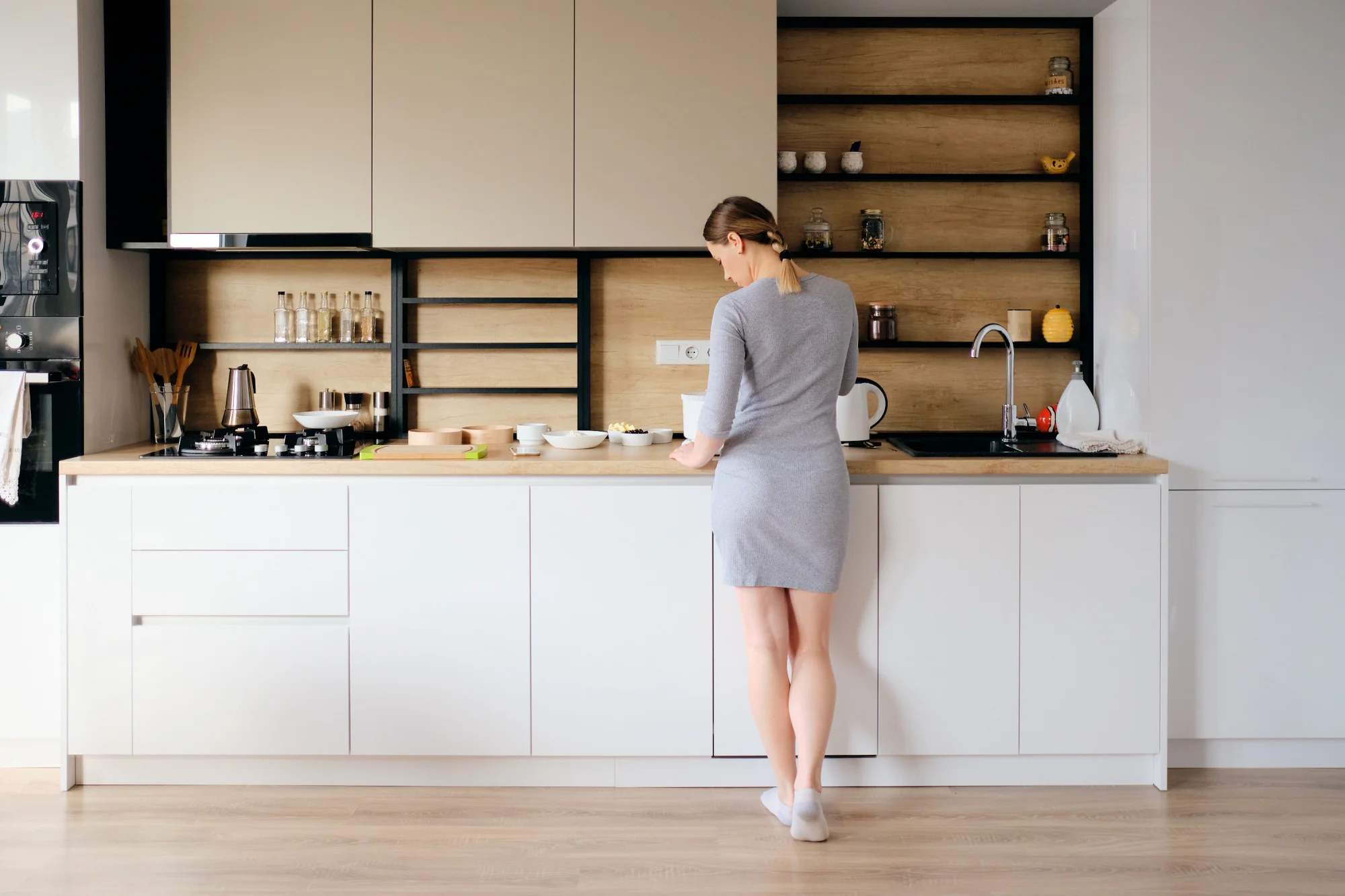
Light kitchen cabinets include colors like white, cream, beige, and soft neutrals. These cabinets reflect both natural and artificial light, helping the kitchen feel brighter, larger, and more open. Because of their clean and simple look, they work well in many styles, including modern, farmhouse, and Scandinavian kitchens. Light cabinets are a popular choice for smaller spaces or kitchens with limited lighting.
What Are Dark Kitchen Cabinets?

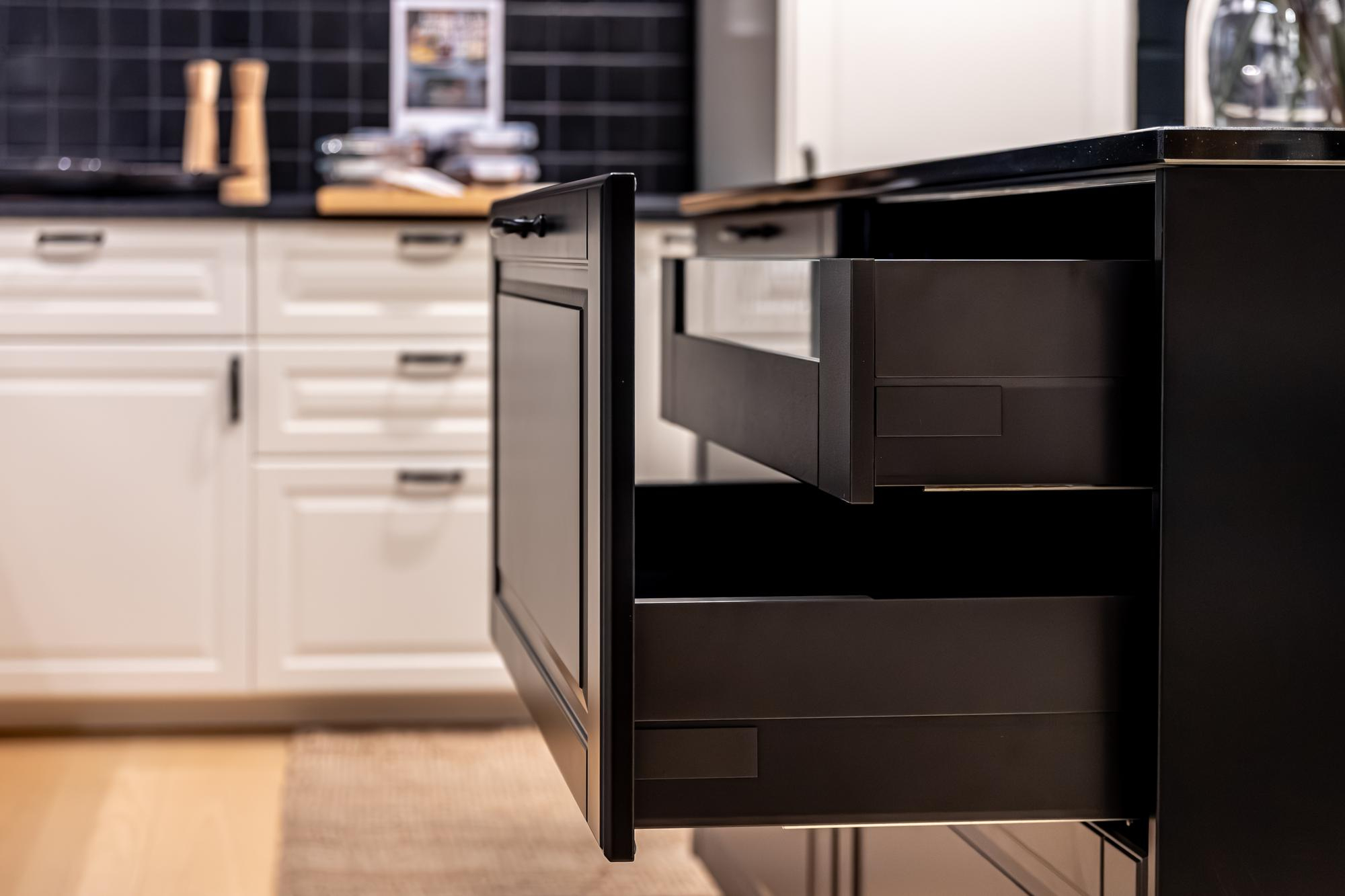
Dark kitchen cabinets include deeper tones such as black, navy, charcoal, and rich wood finishes. These cabinets absorb more light, creating a bold, warm, and dramatic look. They are often used in modern, industrial, or luxury kitchen designs. Dark cabinets add contrast and depth to a space, making them a strong visual focal point, especially in larger or well-lit kitchens.
Dark vs Light Kitchen Cabinets: Key Differences
| Feature | Light Kitchen Cabinets | Dark Kitchen Cabinets |
|---|---|---|
| Brightness | Reflect more light and brighten the kitchen | Absorb more light and create a deeper look |
| Space Perception | Make small kitchens feel larger and more open | Can make kitchens feel smaller or more enclosed |
| Design Style | Clean, simple, and timeless | Bold, dramatic, and eye-catching |
| Visual Impact | Creates a soft and airy appearance | Creates strong contrast and stands out more |
| Maintenance | Shows dirt, grease, and smudges more easily | Hides stains, scratches, and fingerprints better |
| Cleaning Frequency | May need more frequent wiping | Usually more forgiving in daily use |
| Mood | Fresh, bright, and open | Warm, cozy, and luxurious |
| Best for Kitchen Size | Often better for small kitchens | Often better for large kitchens |
| Best for Lighting | Works well in low-light kitchens | Works best in well-lit kitchens |
Choosing between dark and light kitchen cabinets affects how your kitchen looks, feels, and functions every day. Each option has its own strengths, depending on your space, lighting, and style. Here are the key differences to help you decide.
Brightness and Space Perception
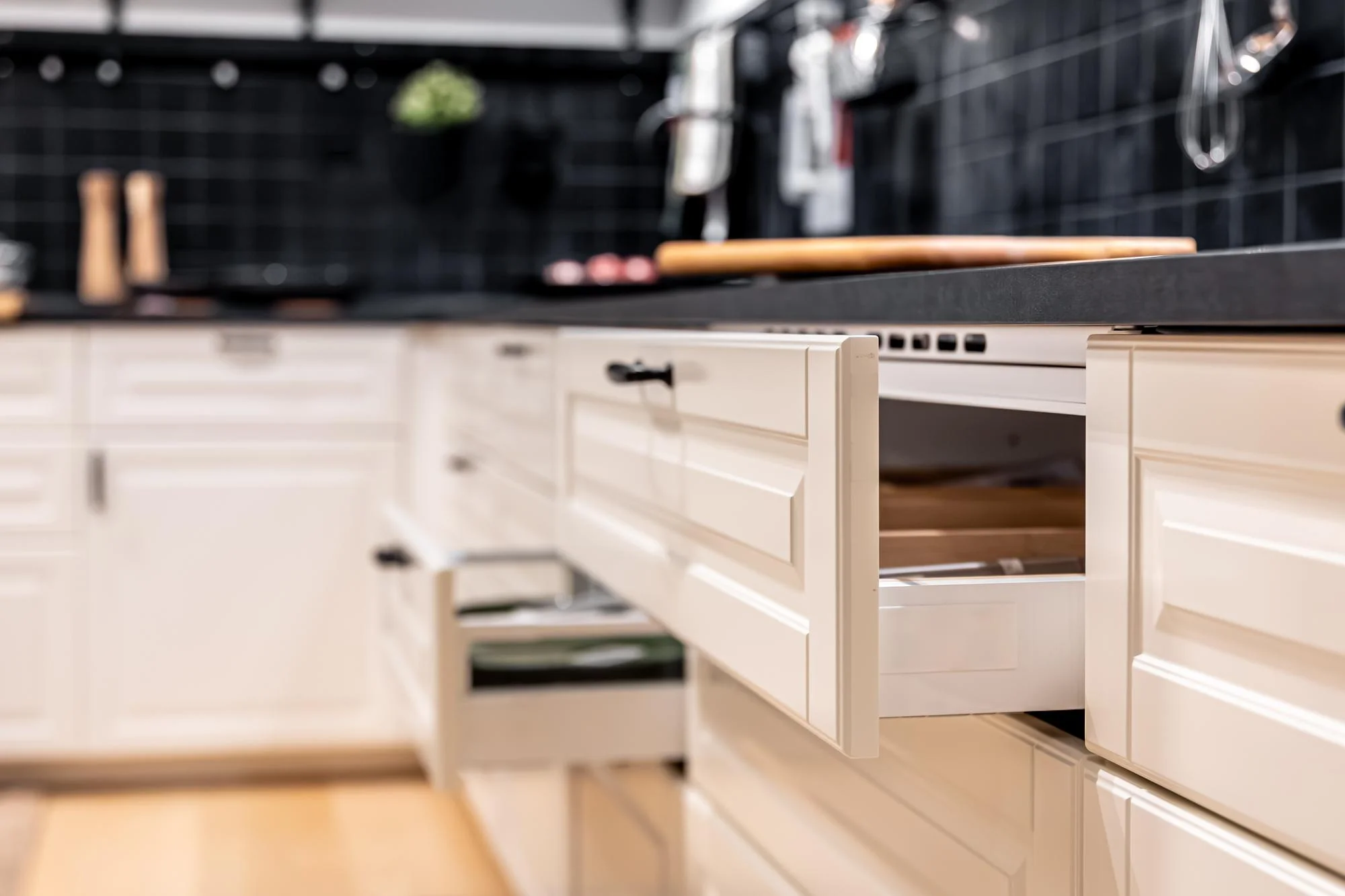
Light cabinets reflect both natural and artificial light, making the kitchen feel brighter and more open. This is especially helpful in small or low-light spaces.
Dark cabinets absorb light, which can make a kitchen feel smaller or more enclosed, but also more grounded.
Design Style and Visual Impact
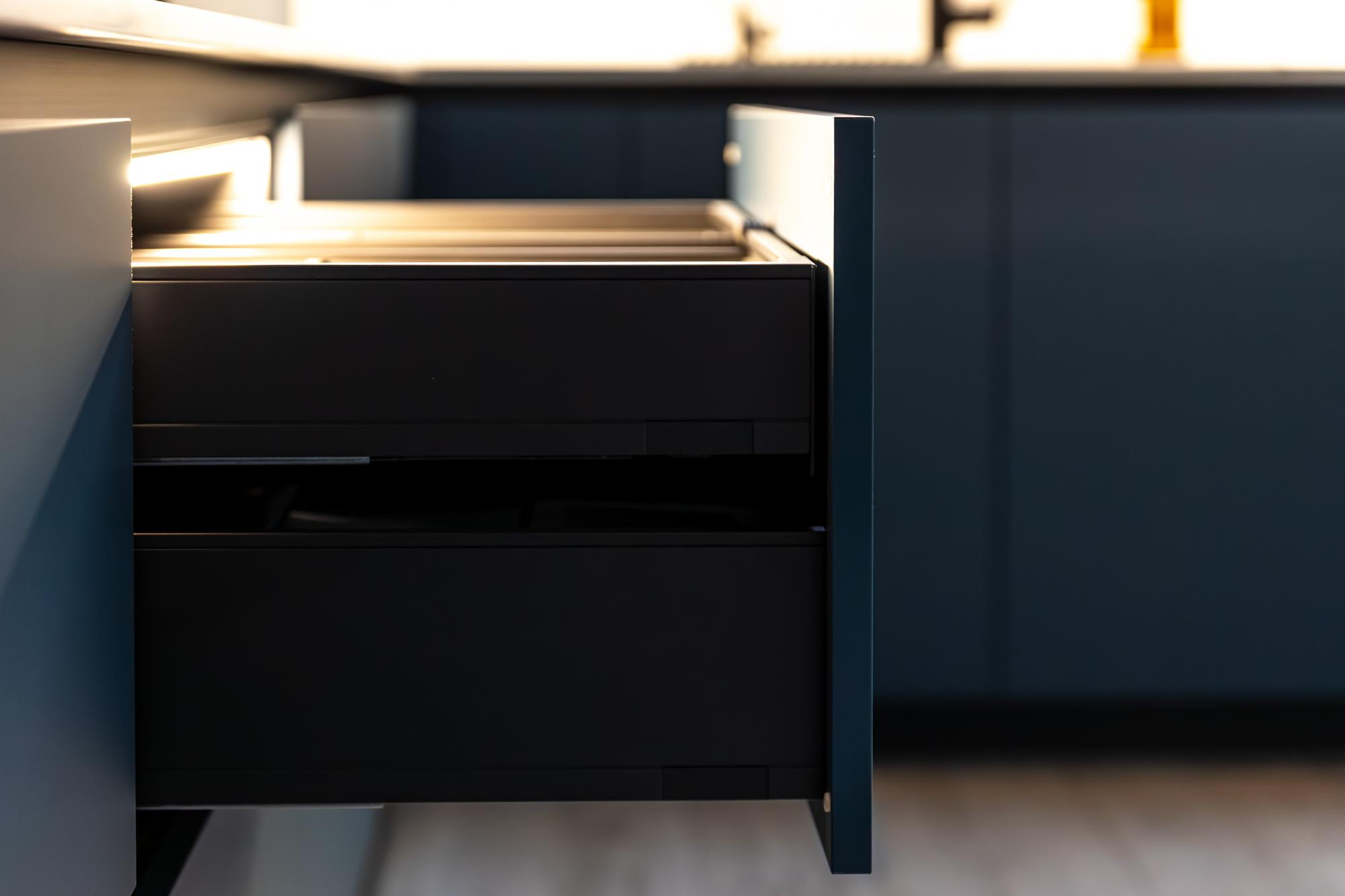
Light cabinets create a clean, simple, and timeless look. They blend easily with many materials and styles.
Dark cabinets offer strong contrast and bold visual impact, often becoming the focal point of the kitchen.
Maintenance and Cleaning
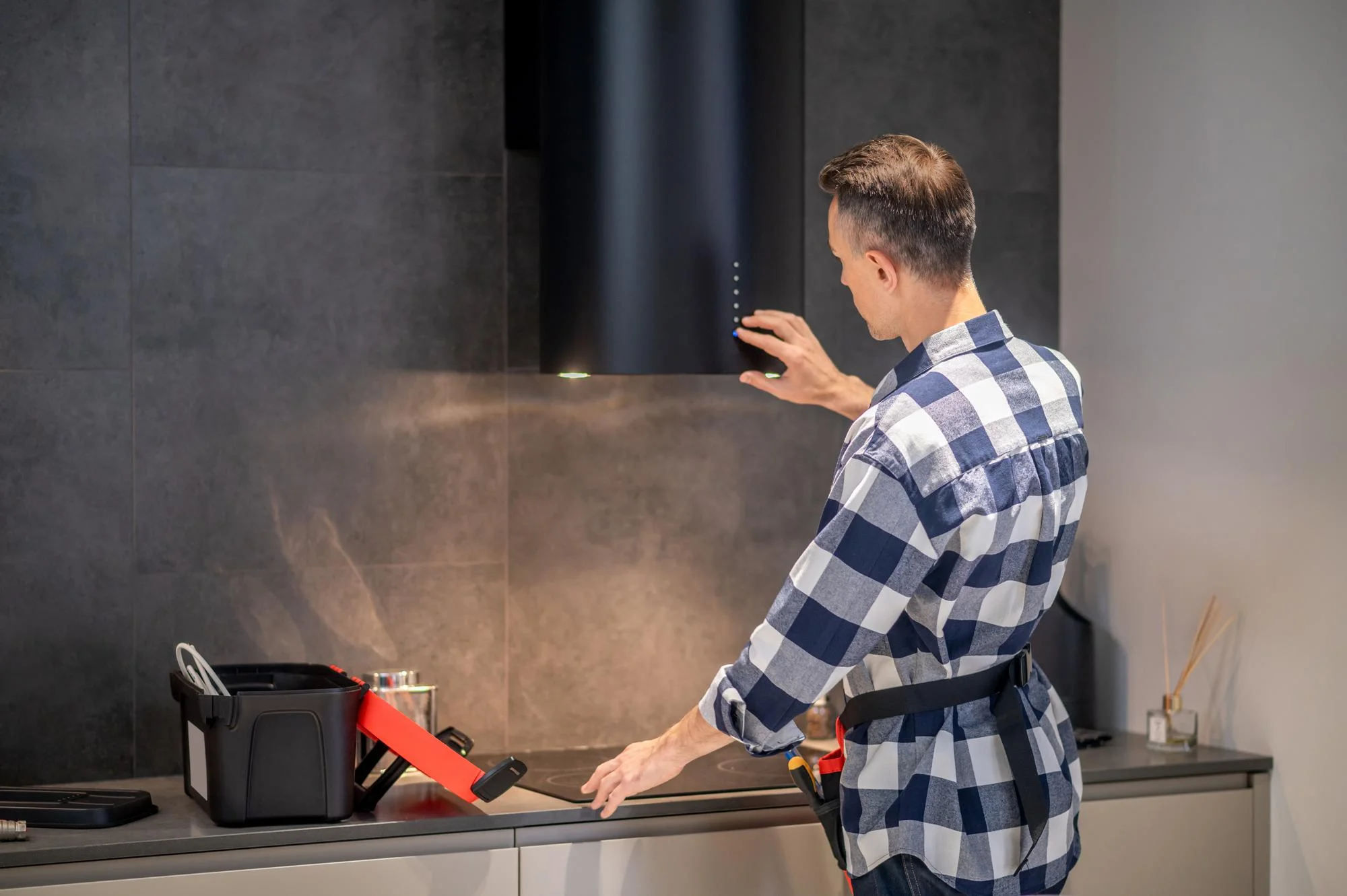
Dark cabinets are more forgiving in daily use. They tend to hide stains, scratches, and fingerprints better.
Light cabinets can show dirt, grease, and smudges more easily, so they may need more frequent cleaning.
Mood and Atmosphere
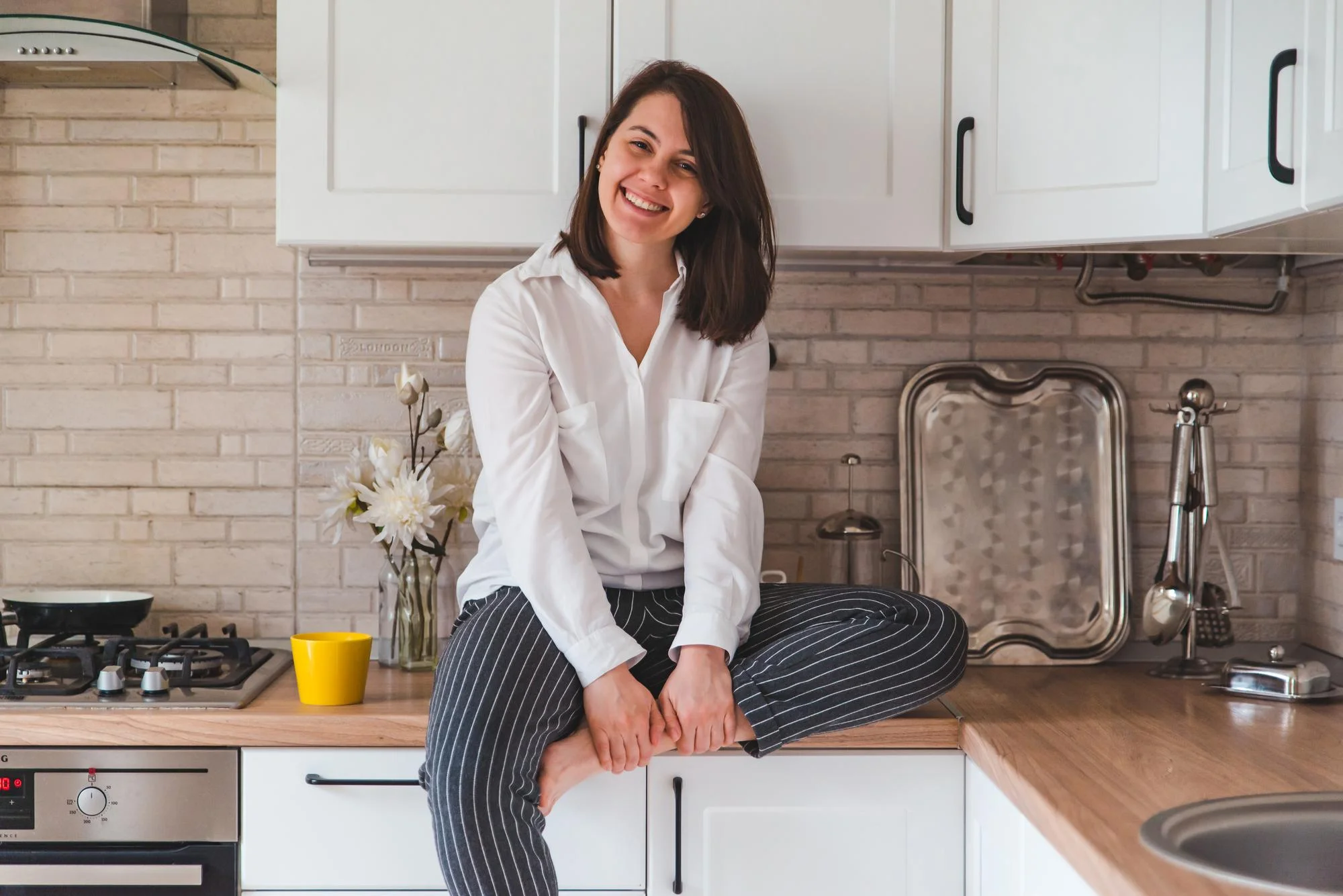
Light kitchens feel fresh, airy, and open, which many homeowners prefer for a bright and welcoming space.
Dark kitchens feel warm, cozy, and more luxurious, creating a richer and more intimate atmosphere.
Kitchen Size and Lighting Compatibility
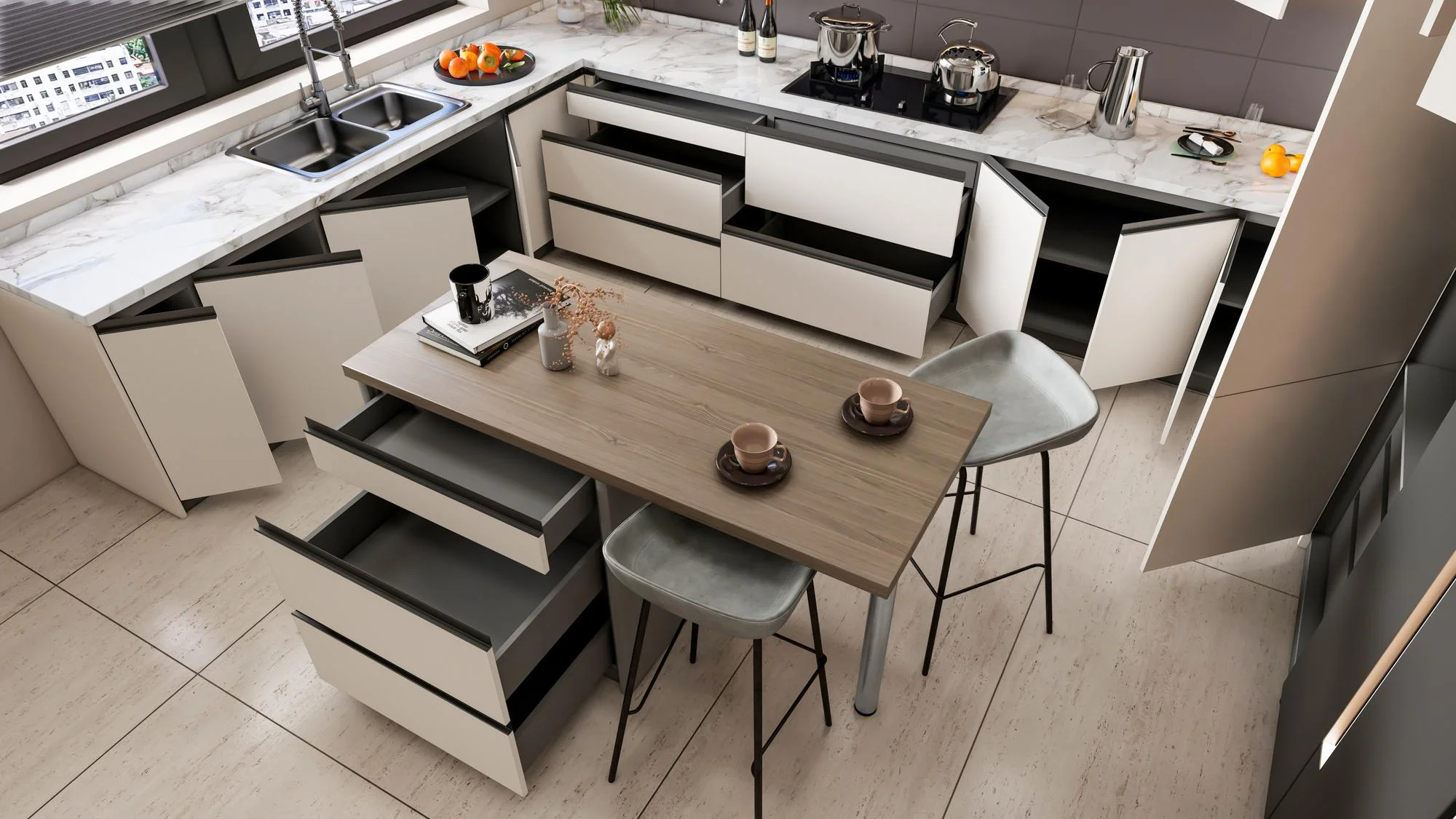
In small or low-light kitchens, light cabinets usually work better because they help expand the space visually.
In large or well-lit kitchens, dark cabinets can add depth and balance, preventing the space from feeling too plain or overly bright.

How to Balance Dark and Light Cabinets

Using both dark and light kitchen cabinets is a smart way to create a balanced and stylish space. Instead of choosing one color, many homeowners combine both to improve contrast, brightness, and visual interest. When done right, this approach makes the kitchen feel more complete and easier to design.
Two-Tone Kitchen Trend
One of the most popular ideas today is the two-tone kitchen. A common layout is light upper cabinets with dark lower cabinets. The light cabinets keep the space bright and open, while the darker base cabinets add weight and stability. This combination helps the kitchen feel balanced without looking too plain or too heavy.
Lighting Strategies
Good lighting is especially important when using dark cabinets. In darker kitchens, adding under-cabinet lighting can make a big difference. It brightens the workspace, highlights the countertop, and prevents the kitchen from feeling too dim. Even in mixed-color kitchens, proper lighting helps both tones look clear and well-defined.
Material Pairing
The right materials can tie the whole design together. Pairing dark cabinets with light countertops creates strong contrast and keeps the space from feeling too heavy. On the other hand, light cabinets with dark accents, such as hardware, backsplash, or fixtures, can add depth without overwhelming the design. Mixing colors this way helps create a kitchen that looks both modern and balanced.
Need Help Designing the Perfect Cabinet Color Combo?
Not sure how to balance dark and light kitchen cabinets in your space? Our team is here to help. Contact us today for expert advice, custom cabinet solutions, and design support tailored to your kitchen style, layout, and budget. Let’s create a kitchen that looks stunning and works perfectly for your home.
FAQs
Should I get dark or light kitchen cabinets?
It depends on your space. Light cabinets work best in small or low-light kitchens because they make the room feel bigger and brighter. Dark cabinets are better for large or well-lit kitchens, where they add depth and a more dramatic look.
Should my kitchen cabinets be lighter or darker than my walls?
A common design rule is contrast. Cabinets should usually be either lighter or darker than your walls, not the same tone. This helps cabinets stand out and prevents the kitchen from looking flat or washed out.
What is the prettiest color for kitchen cabinets?
The “prettiest” color depends on your style, but neutral tones like white, cream, light wood, and warm gray are widely loved because they look clean, timeless, and easy to match with other materials.
Are dark cabinets coming back into style?
Yes, dark cabinets are coming back, especially in rich tones like black, walnut, and deep colors. Designers are using them to create depth, contrast, and a more luxurious kitchen look.