

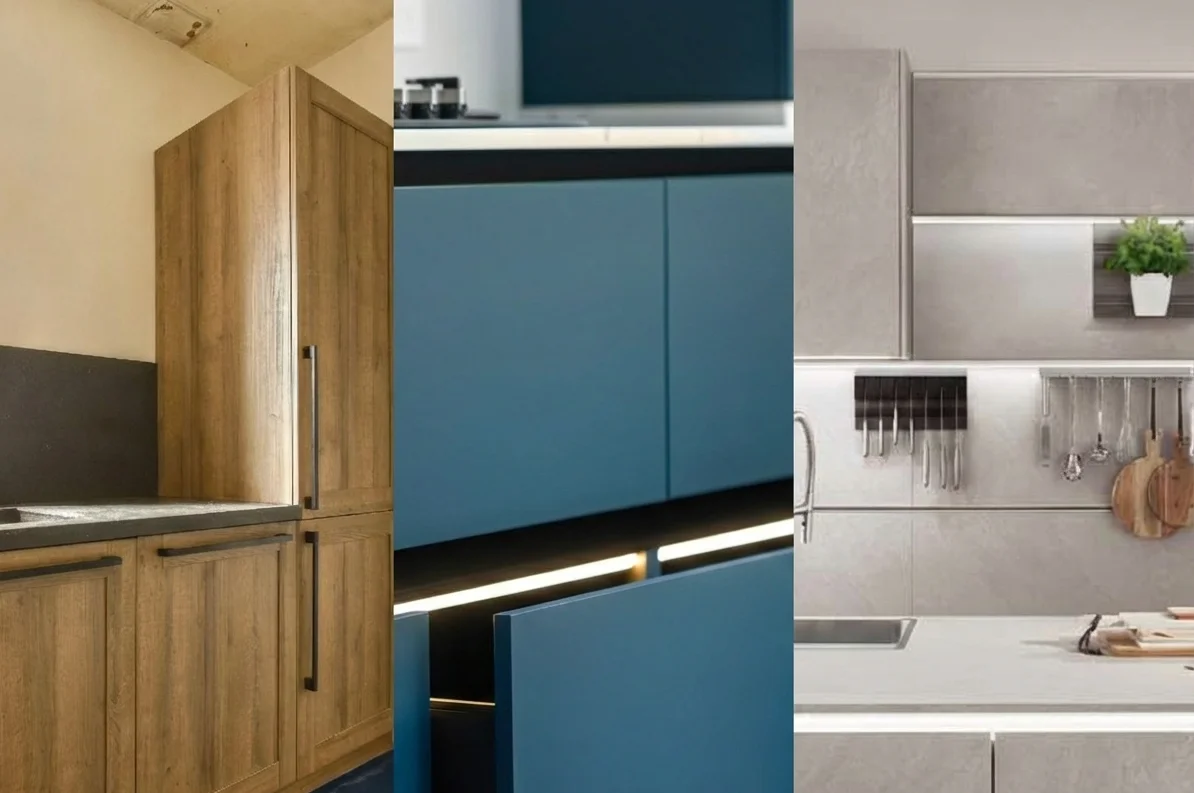
What Are Wood Cabinets
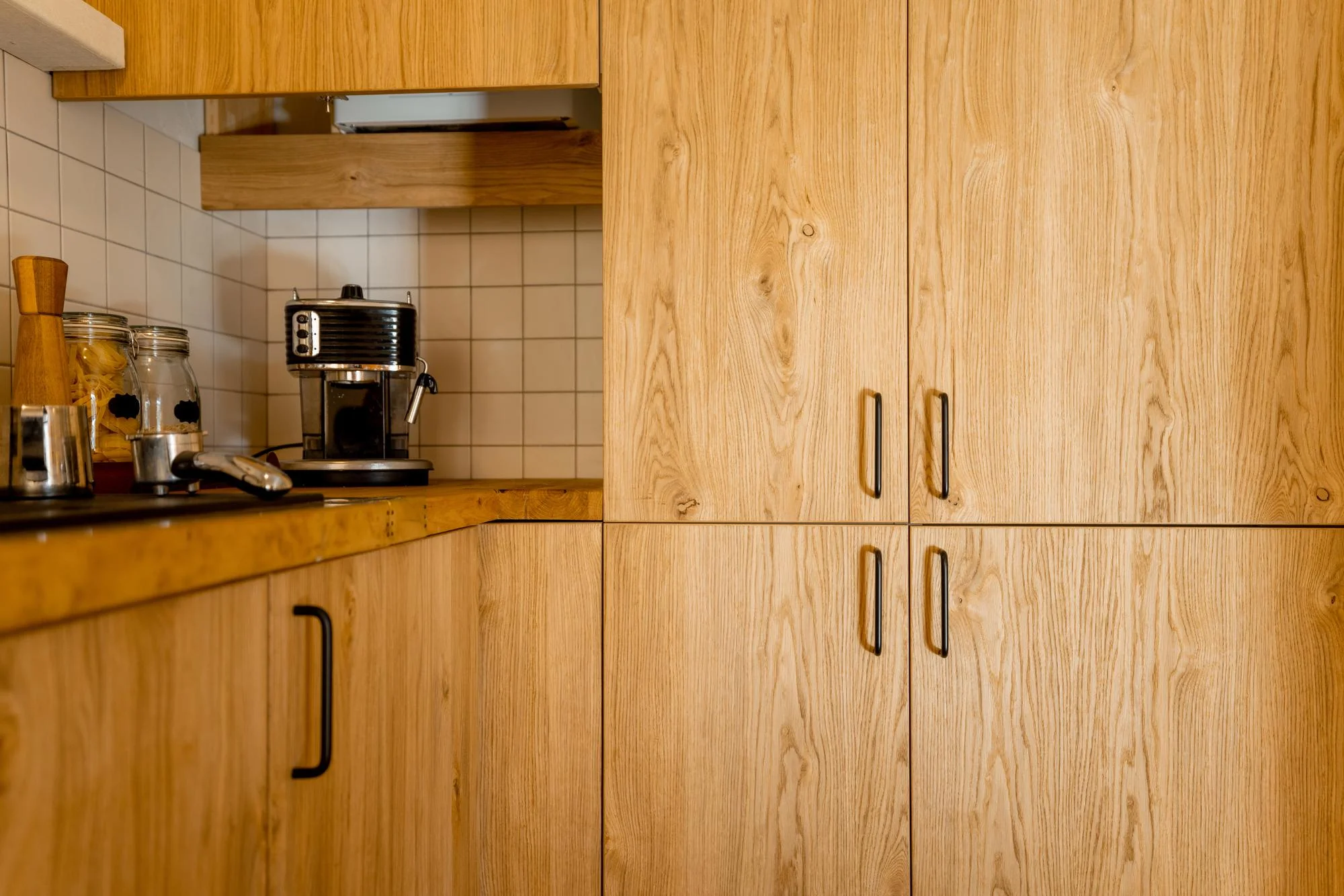
Wood cabinets are made from solid wood or wood veneer, offering natural grain, depth, and timeless character. They bring warmth and authenticity to a kitchen and can be shaped, stained, or painted to match classic, rustic, or modern design styles.
Pros:
Natural beauty and warmth; each piece looks unique.
Durable and long-lasting; scratches can be sanded and repaired.
Highly customizable with stains, paints, or specialty finishes.
Cons:
Higher cost than most engineered alternatives.
Sensitive to humidity; may warp or crack without proper sealing.
What Are Lacquer Cabinets (Wood or MDF with Lacquer Finish)
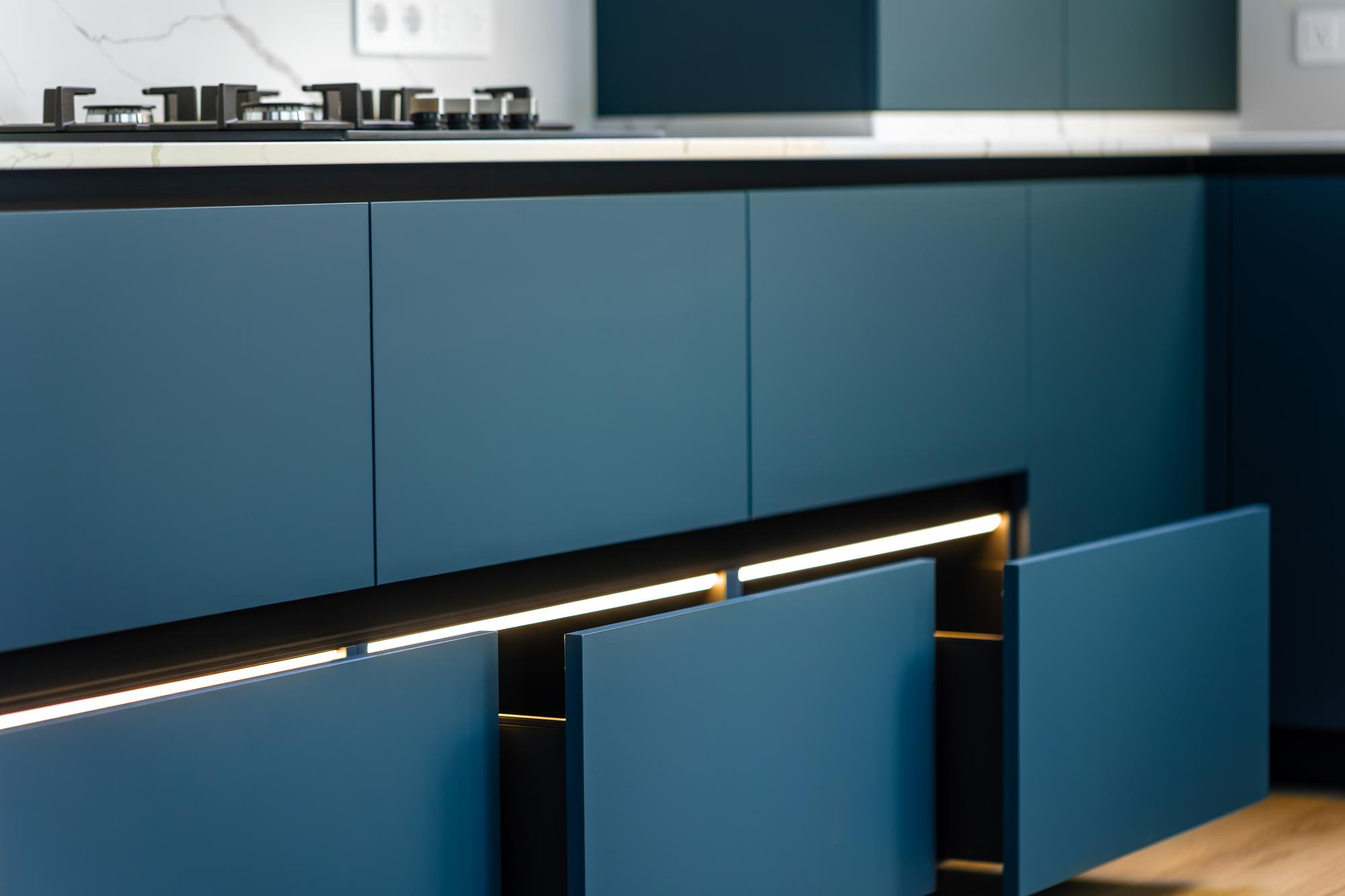
Lacquer cabinets are built from wood or MDF and coated with a smooth, hard lacquer finish. This creates a sleek, modern look in gloss or matte options. The finish is durable, moisture-resistant, and ideal for kitchens needing easy, everyday maintenance.
Pros:
Sleek, modern finish available in many colors.
Moisture-, stain-, and scratch-resistant surface.
Easy to clean; non-porous surface wipes quickly.
Can be recoated to refresh aging finishes.
Cons:
Scratches or dents can show more clearly.
Requires professional application for flawless results.
High-use areas may need recoating over time.
What Are Stone Cabinets / Stone Surfaces for Cabinets
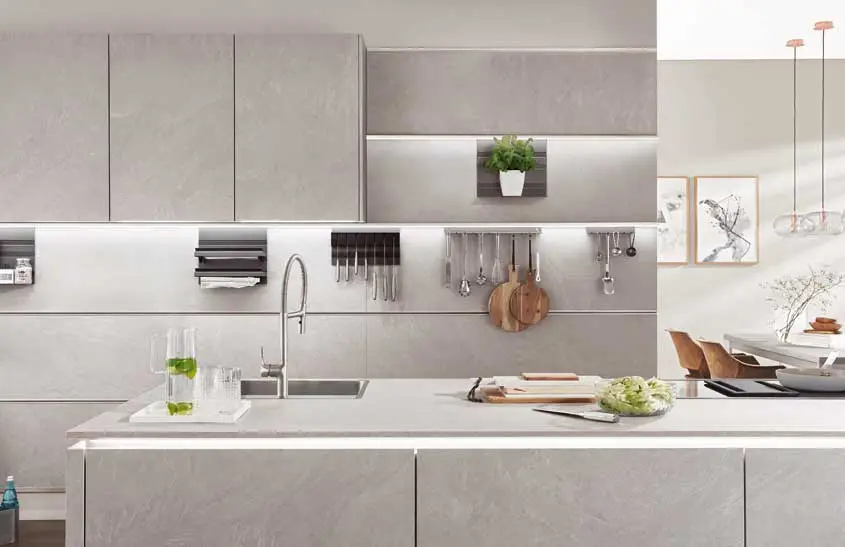
Stone cabinets use natural stone slabs or engineered stone panels—such as marble, granite, or quartz—to create a luxury, sculptural cabinet finish. The material offers exceptional durability, a premium look, and long-term performance in high-use or high-moisture kitchen environments.
Pros:
High-end, visually striking appearance.
Excellent resistance to heat, scratches, and moisture.
Low-maintenance surface that handles heavy use well.
Cons:
Expensive and very heavy; needs reinforced cabinetry.
Cooler, less traditional aesthetic may not suit all kitchens.
Some stones require sealing to prevent stains or etching.
Key Comparison: Wood vs. Lacquer vs. Stone
| Category | Wood | Lacquer | Stone |
|---|---|---|---|
| Aesthetic & Style | Warm, natural, timeless | Sleek, smooth, modern | Bold, luxury, dramatic |
| Durability & Wear | Strong but moisture-sensitive | Durable; scratches show | Highly durable; heat & scratch resistant |
| Maintenance | Needs sealing; occasional care | Easy to clean; may need recoating | Low upkeep; some stones need sealing |
| Cost & Installation | Mid-to-high cost | Mid-to-high; pro finishing best | Highest cost; heavy installation |
| Versatility / Flexibility | Can stain, paint, carve, refinish | Endless colors and finishes | Less flexible; monolithic look |
| Best Use Case | Warm, classic, long-lasting kitchens | Modern kitchens needing easy upkeep | Luxury builds with maximum durability |
Aesthetic & Style
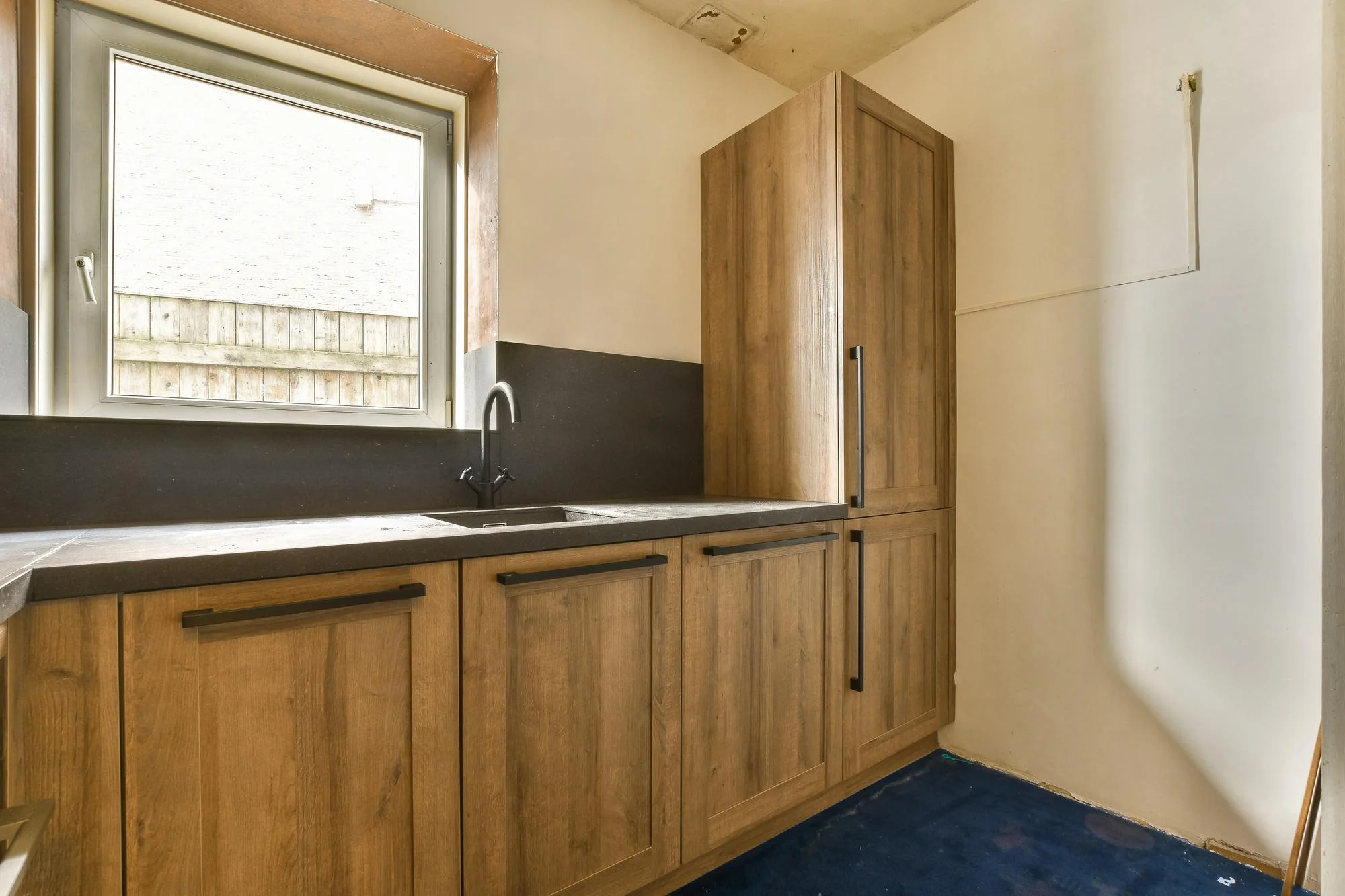
Wood: Warm, natural, and timeless. Works with classic, farmhouse, rustic, or transitional designs.
Lacquer: Sleek, smooth, and modern. Great for minimalist or high-gloss contemporary kitchens.
Stone: Bold, dramatic, luxury look. Fits modern, sculptural, or high-end designer spaces.
Durability & Wear
Wood: Strong and repairable, but sensitive to moisture or heat changes.
Lacquer: Durable coating resists stains and scratches; dents or chips show more easily.
Stone: Extremely durable—high resistance to heat, scratches, and daily wear.
Maintenance
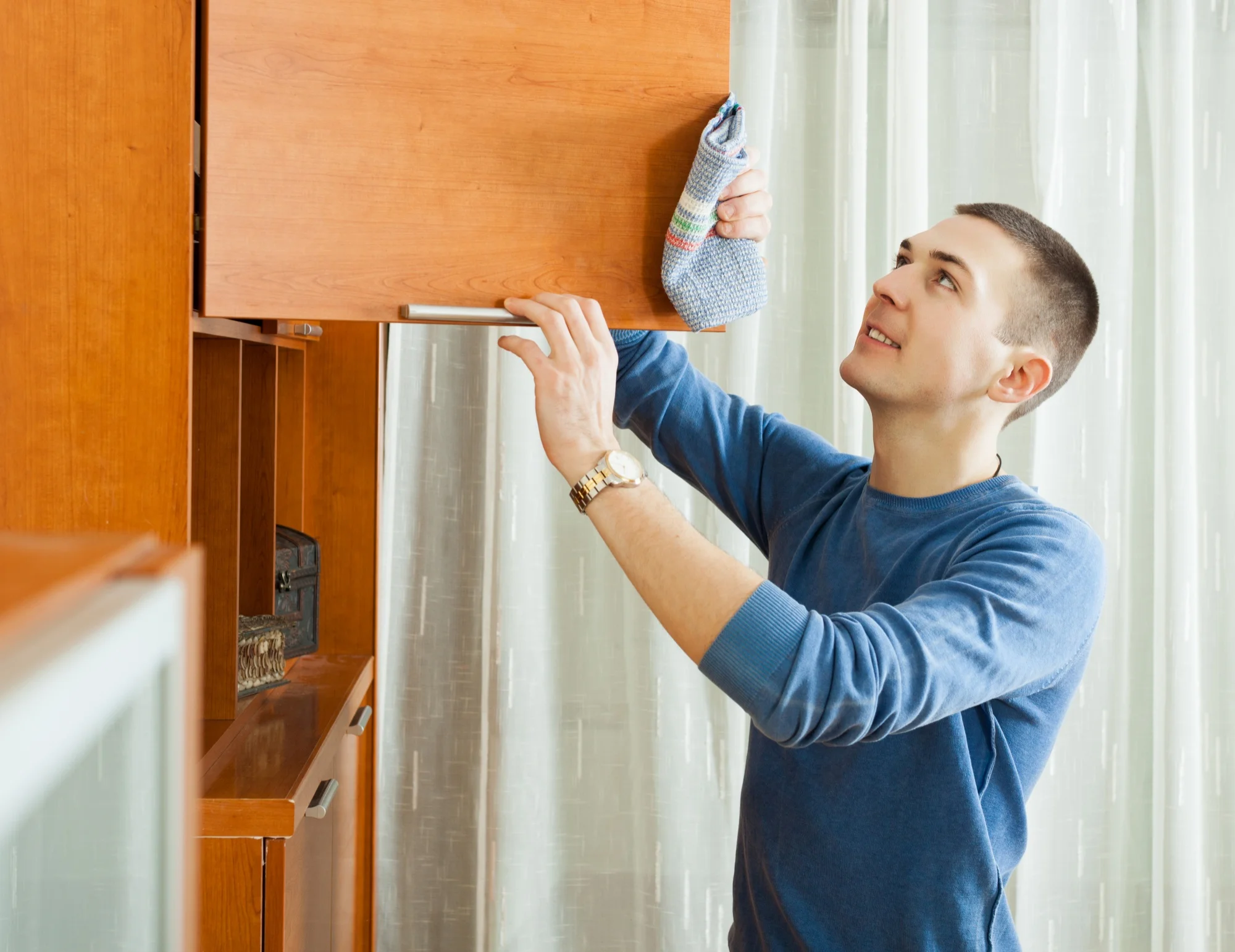
Wood: Needs proper sealing and occasional care; repairs are possible.
Lacquer: Easy to wipe clean but may need recoating in heavy-use zones.
Stone: Lowest upkeep; some natural stones require sealing to prevent stains.
Cost & Installation
Wood: Mid-to-high cost depending on species and craftsmanship.
Lacquer: Mid-to-high cost; professional finishing is recommended.
Stone: Highest cost; heavy material needs reinforced frames and skilled installers.
Versatility / Flexibility
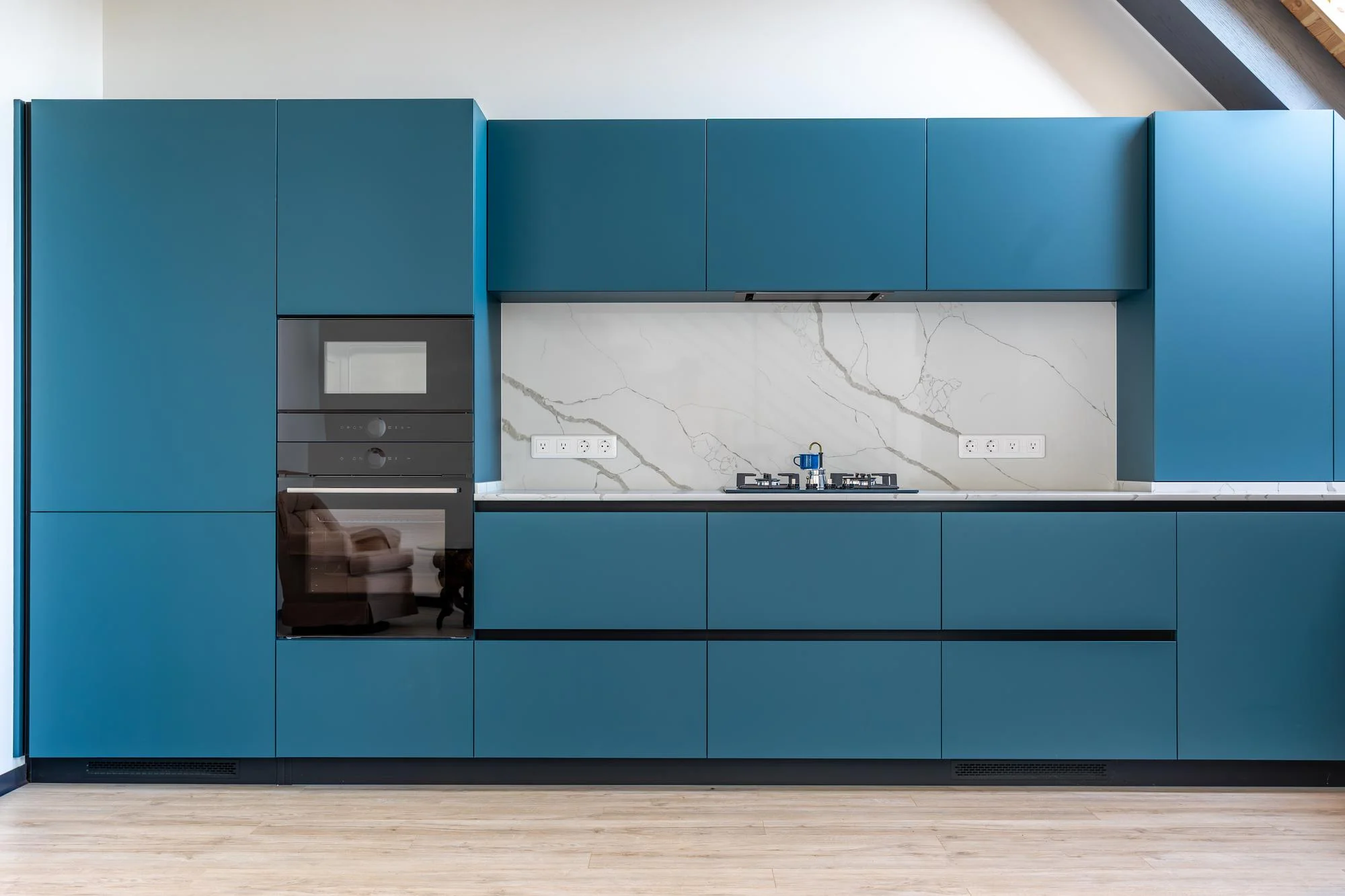
Wood: Highly flexible—can be stained, painted, carved, or refinished.
Lacquer: Offers endless colors and finishes; ideal for custom modern looks.
Stone: Less flexible in shaping; valued for its unique, monolithic appearance.
Best Use Case
Wood: Homes wanting warmth, natural beauty, and long-term value.
Lacquer: Modern kitchens needing clean lines, bold colors, and easy upkeep.
Stone: Luxury builds aiming for standout surfaces and maximum durability.
When to Choose Wood
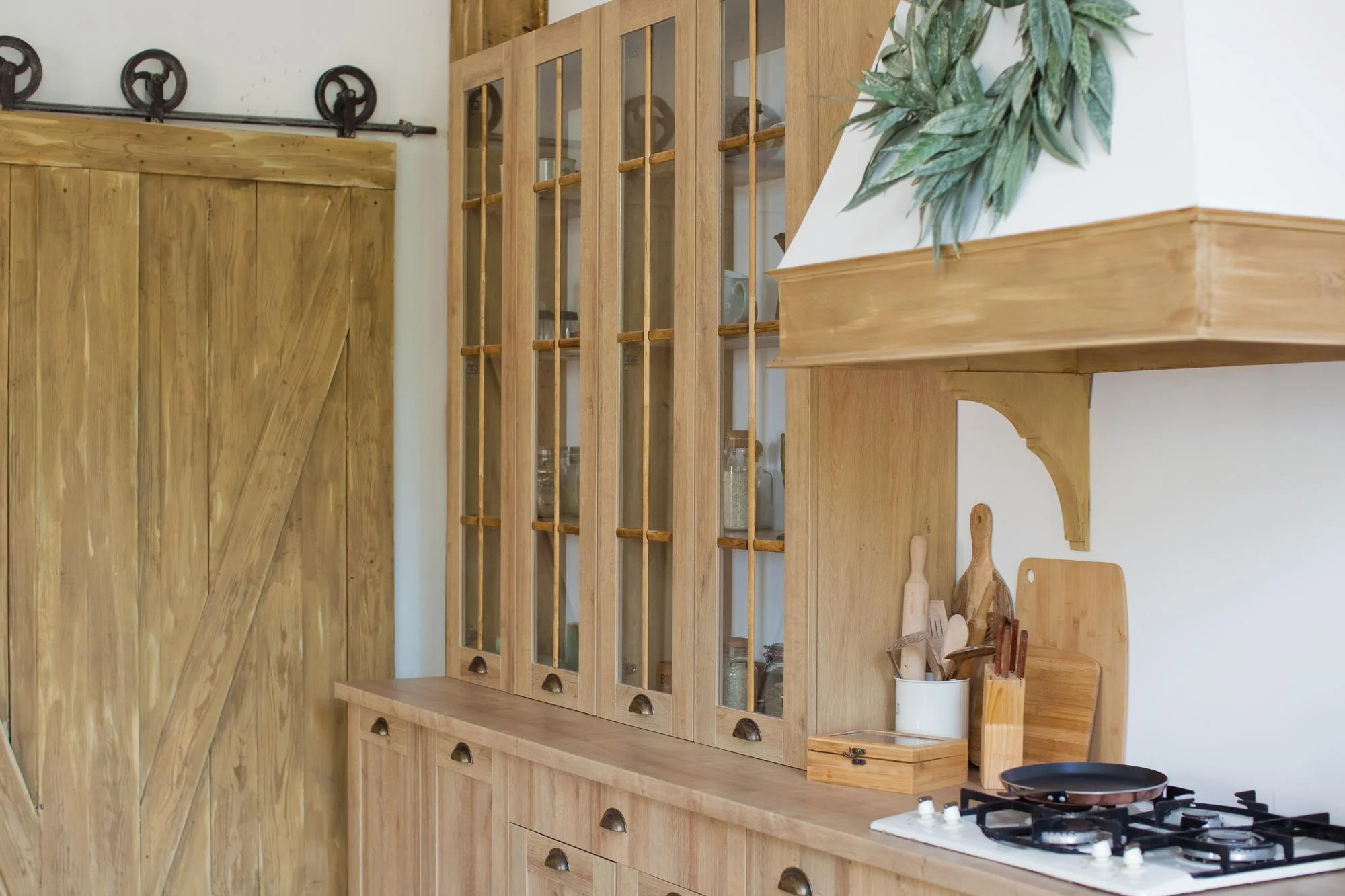
Choose wood when you want a kitchen that feels warm, natural, and timeless. Wood works beautifully in classic, rustic, and transitional designs. It’s a great match if you appreciate cabinetry that can be sanded, repaired, or refinished over the years. Wood does require some care—like sealing and gentle cleaning—but it rewards you with long-lasting beauty and character. If you’re looking for an investment that ages gracefully, wood is the right choice.
When to Choose a Lacquer Finish
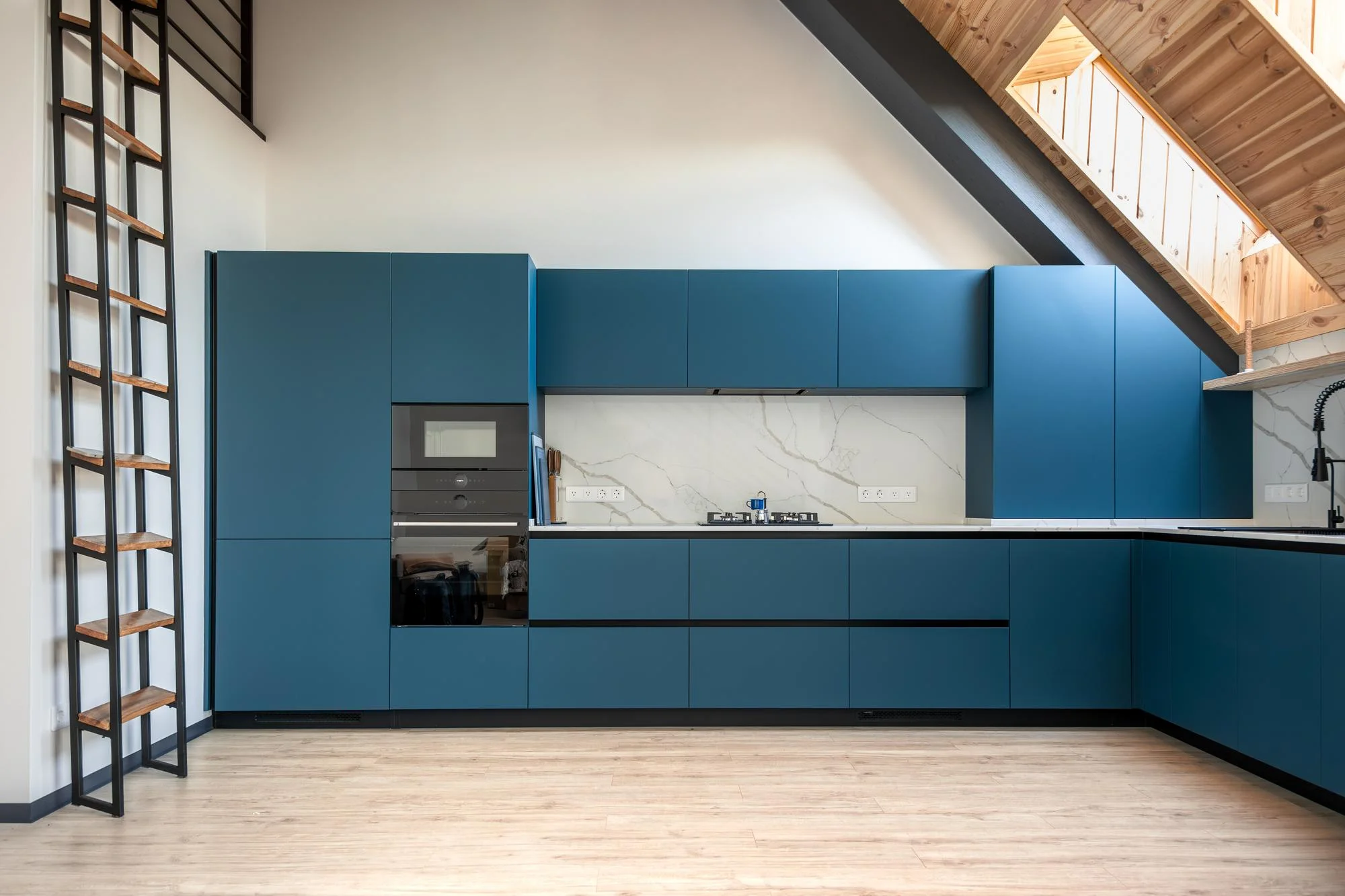
Lacquer is ideal if you’re aiming for a sleek, modern kitchen with crisp lines and customizable colors. It’s perfect for high-use spaces where you want cabinets that wipe clean quickly and stay looking polished. Lacquer handles daily cooking, kids, and frequent cleaning with ease. And if your taste changes later, the finish can be refreshed or repainted without replacing the cabinets—giving you long-term design flexibility.
When to Choose Stone
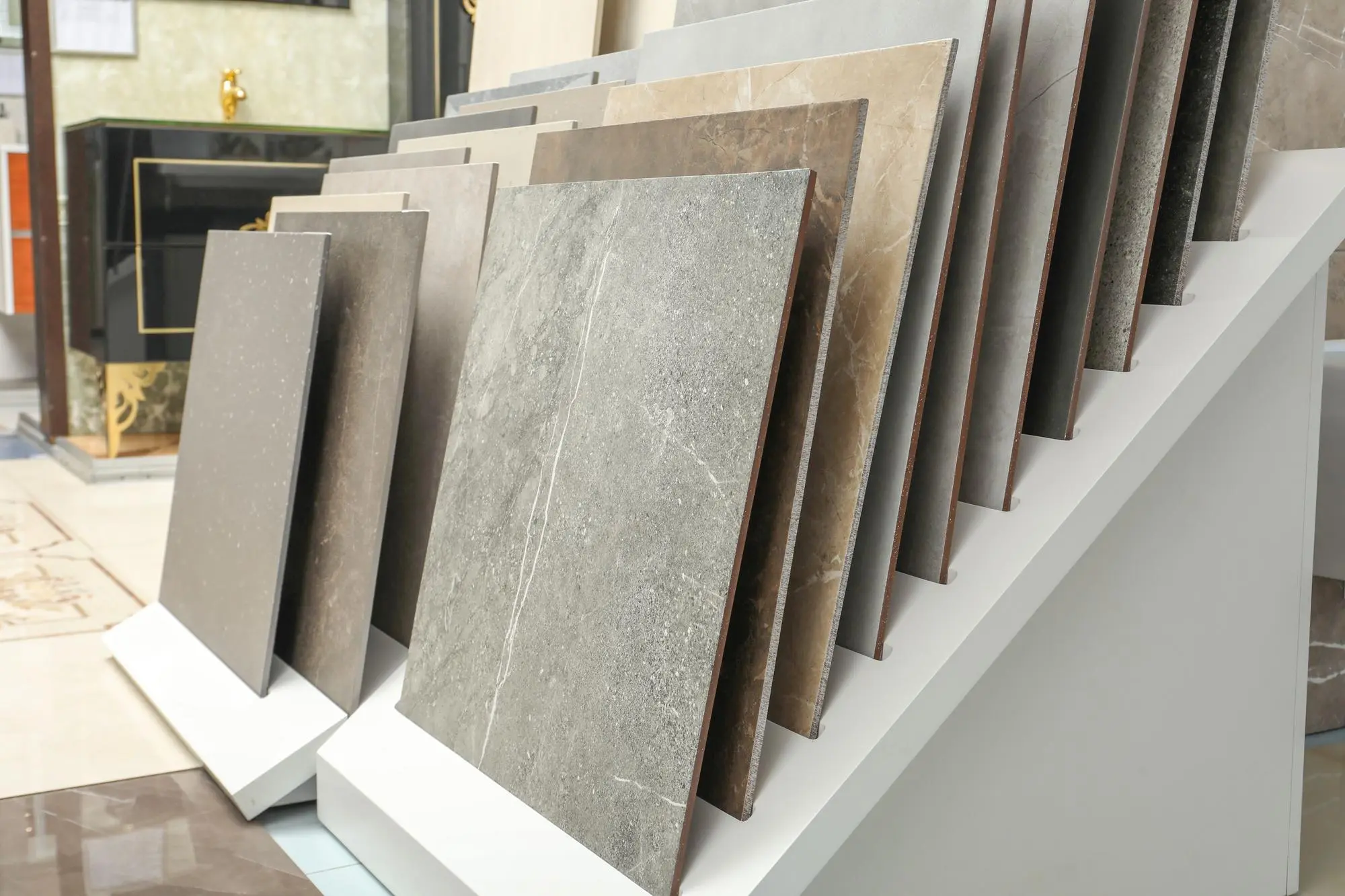
Pick stone if you want a luxury kitchen that makes a strong visual impact. Stone surfaces deliver exceptional durability, resisting heat, moisture, scratches, and heavy everyday use. They work well in premium, modern, or minimalist spaces where bold materials take center stage. Stone comes with a higher price and some design limitations, but in return, you get unmatched longevity, elegance, and added property value.
Ready to Upgrade Your Kitchen Cabinets? Contact Us Today!
Choosing between wood, lacquer, and stone can feel overwhelming — but you don’t have to make the decision alone. Whether you want warmth and character, a modern glossy finish, or a standout luxury design, our team can help you find the perfect fit for your home.
Get expert guidance, custom recommendations, and fast quotes tailored to your kitchen.
Let’s create cabinets that look beautiful and last for years.
FAQs
What type of finish is best for cabinets?
A durable finish like lacquer or polyurethane tends to be best, because it creates a hard, moisture-resistant shell that protects cabinets from scratches, stains, and wear.
Is lacquer a good finish for kitchen cabinets?
Yes — lacquer offers a smooth, hard, and water-resistant coating. It dries quickly, resists moisture and grease, and gives cabinets a sleek, high-end look.
Which type of material is best for kitchen cabinets?
There’s no one-size-fits-all “best” material; it depends on your needs. Solid wood is great for durability and timeless style, MDF or plywood with laminate/lacquer works for affordability and easy maintenance, while engineered or veneer options give good balance for budget and function.
What are high-end kitchen cabinets made of?
High-end cabinets often use solid wood or wood with high-quality veneer, sometimes finished with lacquer or varnish; for ultra-luxury kitchens, engineered materials with premium finishes or even stone veneers/panels may be used for a durable, upscale look.
 English
  Arabic
  Spanish
  Japanese
  Russian
  Korean
  French
  Italian