

What Are Quartz and Granite?
Quartz Countertops
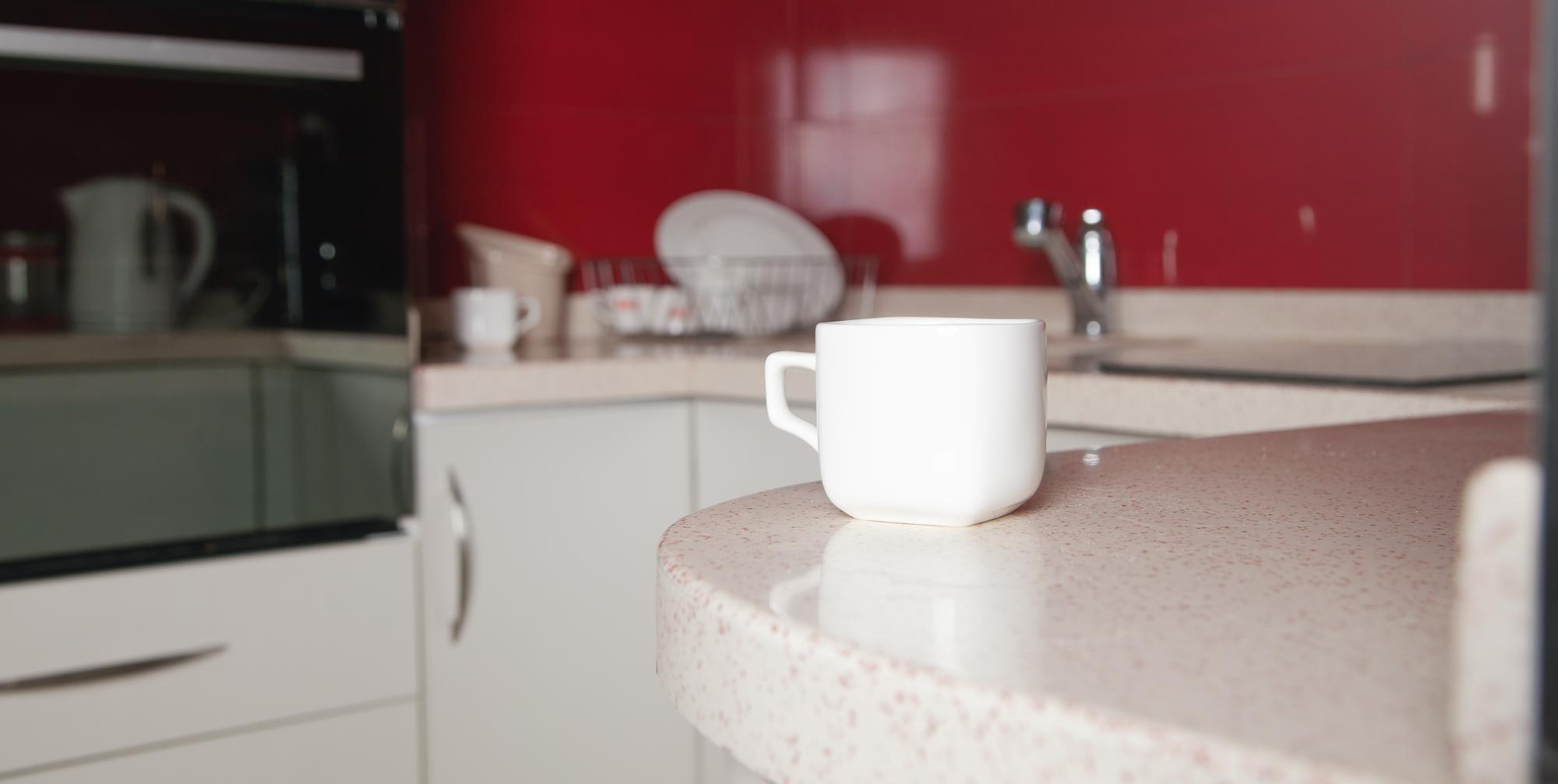
Quartz is an engineered stone made from crushed natural quartz mixed with resins and pigments. This blend creates a non-porous, uniform material that resists stains and comes in a wide range of colours and patterns. Quartz can mimic marble, concrete, or subtle stone looks, making it a flexible design choice.
Granite Countertops
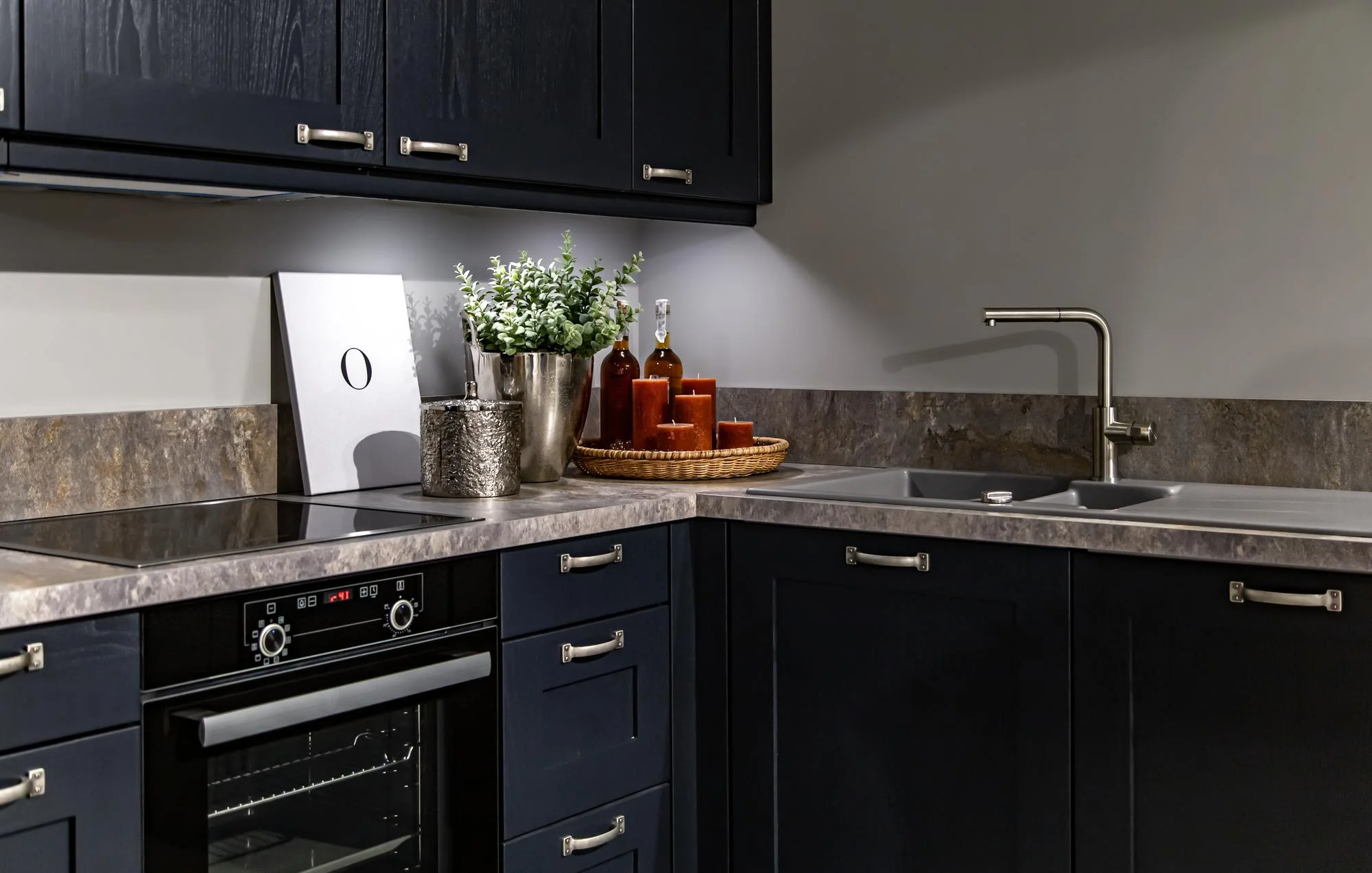
Granite is a natural igneous rock quarried from the earth, cut into slabs, and polished for use as countertops. Each slab has one-of-a-kind veining and mineral patterns, giving kitchens a unique, organic look. As a natural stone, granite is heat-resistant and visually rich, with no two pieces ever looking the same.
| Aspect | Quartz Countertops | Granite Countertops |
|---|---|---|
| Material type | Engineered stone made from quartz + resin | Natural igneous stone cut into slabs |
| Appearance | More uniform patterns, wide colour range, can mimic marble | Unique veining and colour variation, each slab one of a kind |
| Durability | Very scratch- and stain-resistant, non-porous surface | Highly durable, but more prone to chips at edges if impacted |
| Heat resistance | Good, but strong direct heat can crack or discolour resin | Excellent, handles hot pans better when properly supported |
| Stain resistance | Non-porous, resists most stains without sealing | Porous; needs sealing and fast wipe-up to avoid stains |
| Maintenance | No sealing required; clean with mild soap and water | Needs periodic sealing (every 1–5 years) and gentle cleaners |
| Daily care | Avoid harsh chemicals and very hot pots; otherwise low effort | Wipe spills quickly; avoid abrasive pads and harsh cleaners |
| Outdoor use | Not ideal; UV can fade resin and colour over time | Better suited to outdoor use than quartz if sealed correctly |
| Cost range | Mid to high; fairly consistent pricing by colour/brand | Mid to high; rare or exotic slabs cost significantly more |
| Best for | Busy homes wanting low maintenance and consistent look | Homeowners who love natural stone and high heat cooking |
| Resale appeal | Modern, clean, easy-care surface buyers recognise | Timeless “real stone” appeal and classic luxury look |
Appearance & Design Flexibility

Granite offers a natural, one-of-a-kind look with veining and mineral patterns that vary from slab to slab. If you want a countertop that feels organic and unique, granite delivers a character you can’t fully replicate.
Quartz, on the other hand, provides a consistent pattern and a wide colour palette. Because it’s engineered, it can mimic marble, concrete, or subtle stone looks while avoiding the unpredictability of natural variation. This makes quartz easier to match with cabinets, floors, and backsplashes.
Durability: Strength, Heat & Scratch Resistance
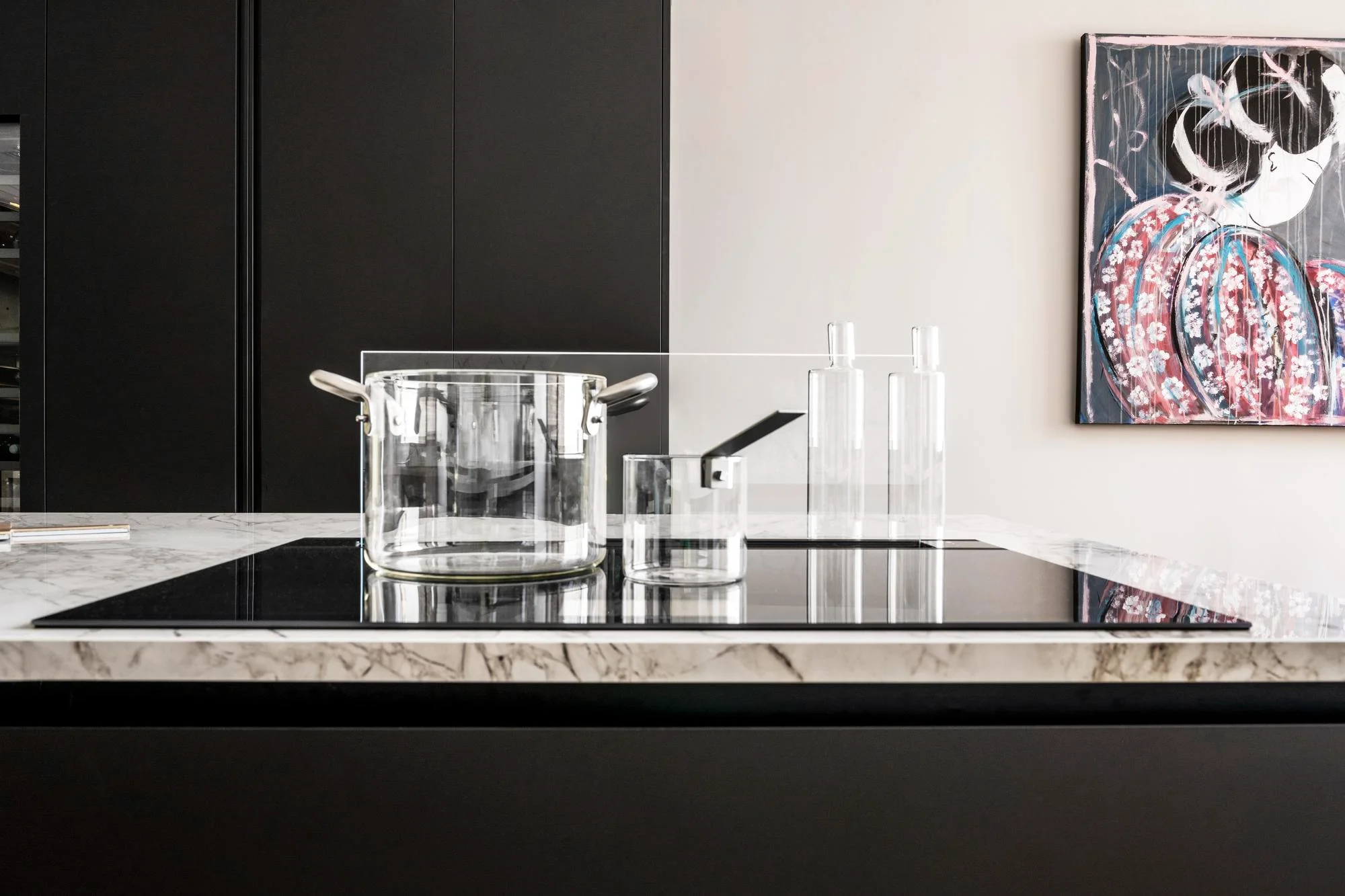
Quartz is highly scratch- and stain-resistant thanks to its non-porous surface. Everyday spills, oils, and acidic foods don’t absorb easily, making it reliable for busy kitchens. However, resins in quartz can be sensitive to high heat, so hot pans should never be placed directly on it.
Granite is extremely heat-resistant and handles hot pots better than quartz. It’s also very strong, but as a natural stone, it’s more porous and can stain or chip if not sealed properly. Each material has trade-offs: quartz shines in daily durability, while granite excels in heat resistance.
Maintenance & Cleaning
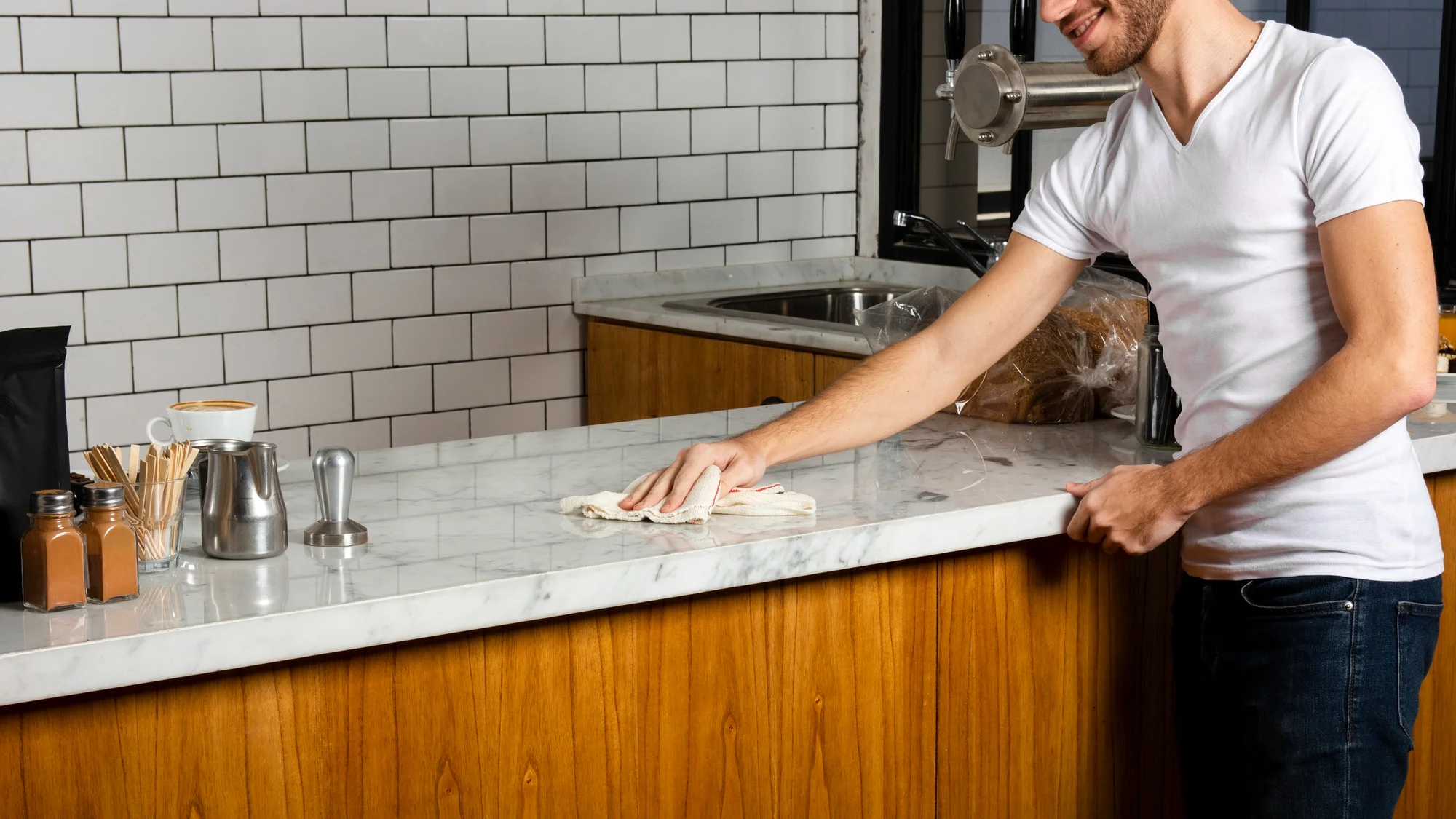
Quartz is virtually maintenance-free. It doesn’t require sealing and only needs mild soap and water for daily care. Its non-porous nature helps prevent bacteria growth and makes cleaning simple.
Granite requires a bit more care. It should be sealed regularly—anywhere from once a year to every few years depending on the stone. Spills, especially wine, oil, or acidic liquids, should be wiped up quickly to prevent staining. With proper care, granite remains durable and long-lasting.
Cost & Value Considerations
Both quartz and granite offer mid-to-high price ranges, depending on design, thickness, and installation. Granite prices vary more because rare slabs or bold veining can increase cost significantly. Quartz pricing tends to stay more predictable, though premium colours and brands can cost more.
In terms of resale value, granite continues to appeal to buyers who love natural stone, while quartz is valued for its low maintenance and modern look. Both materials add strong value to a kitchen renovation—the right choice depends on whether you prefer nature’s variation or engineered consistency.
Which Material Fits Your Lifestyle Best
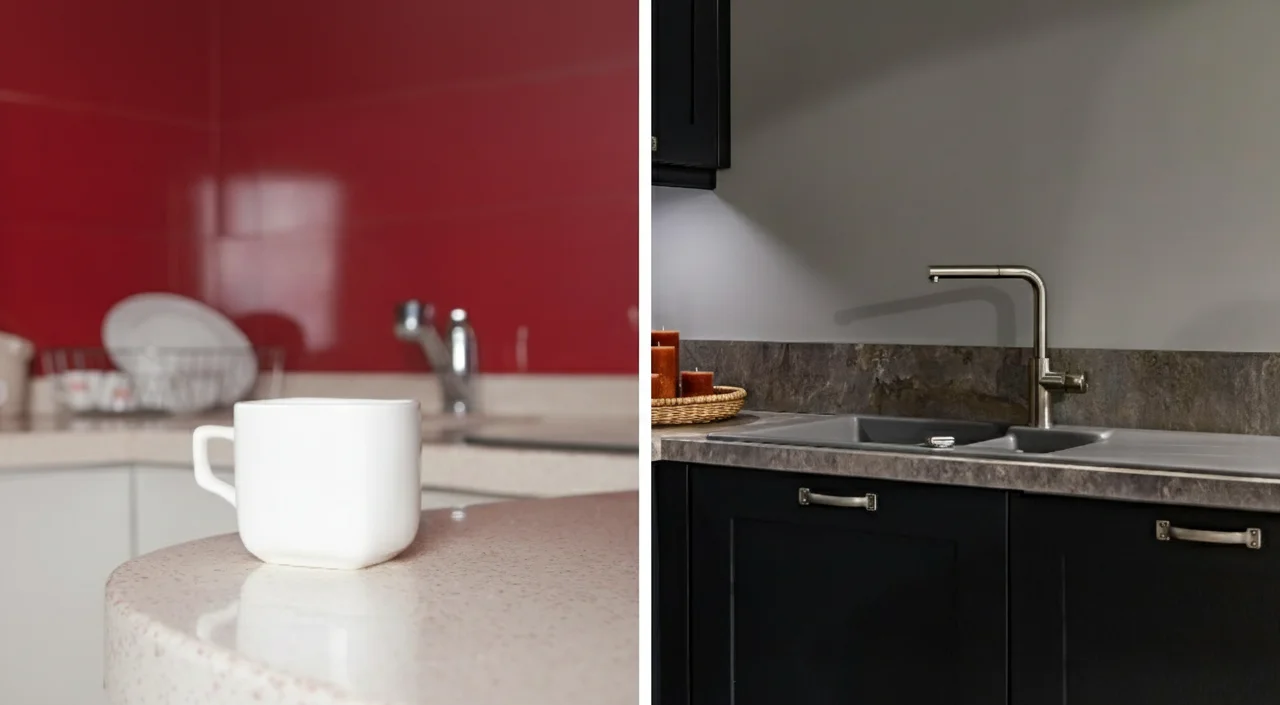
Choosing between quartz and granite comes down to how you use your kitchen every day.
If you have a busy household, cook often, or deal with frequent spills, quartz is usually the better match. It’s non-porous, easy to clean, and resists stains and scratches without needing any special upkeep.
If you cook with high heat, love placing warm pans on the counter, or prefer a more traditional, natural look, granite fits beautifully. Its heat resistance and timeless stone patterns make it ideal for classic or luxurious kitchens.
Before deciding, think about:
How often you cook
Whether you prefer low-maintenance living
Your tolerance for sealing and upkeep
The overall style you want your kitchen to express
Both materials can be great — the “best” one is the one that matches your lifestyle and habits.
Ready to Choose the Perfect Countertop?
Still deciding between quartz and granite—or need help matching materials to your kitchen style? Our team can guide you with expert advice, samples, and custom recommendations for your space.
Contact us today — let’s build your dream kitchen together.
FAQs
Which is better for a kitchen, granite or quartz?
Both are great choices, but quartz is better for low-maintenance homes because it’s non-porous and easy to clean. Granite is better if you love natural stone and need strong heat resistance. The “better” option depends on your lifestyle and cooking habits.
What are the negatives of quartz countertops?
Quartz isn’t fully heat-proof—high heat can cause cracks or discoloration. It can also be more expensive than mid-range granite and is not ideal for outdoor kitchens, as UV light may fade the resin.
Can you use Clorox wipes on quartz?
It’s not recommended. Clorox wipes contain harsh chemicals that can break down the resin and dull the finish over time. Use mild dish soap and warm water instead.
Can I put a hot cup of coffee on quartz?
Yes — a hot mug is generally safe on quartz. But avoid placing very hot pots or pans directly on the surface; always use a trivet to prevent thermal shock or damage.
 English
  Arabic
  Spanish
  Japanese
  Russian
  Korean
  French
  Italian