

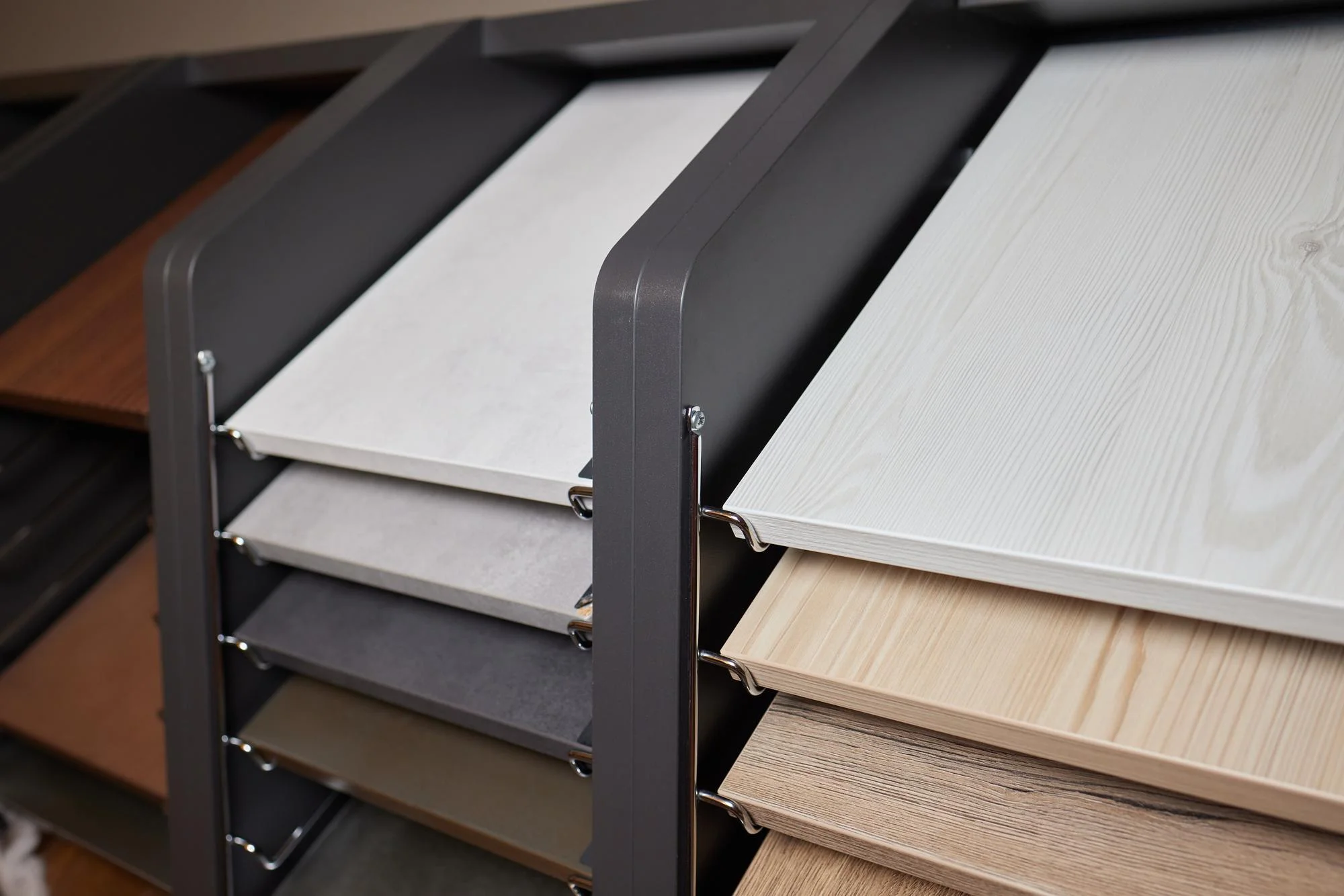
Solid Wood Cabinets
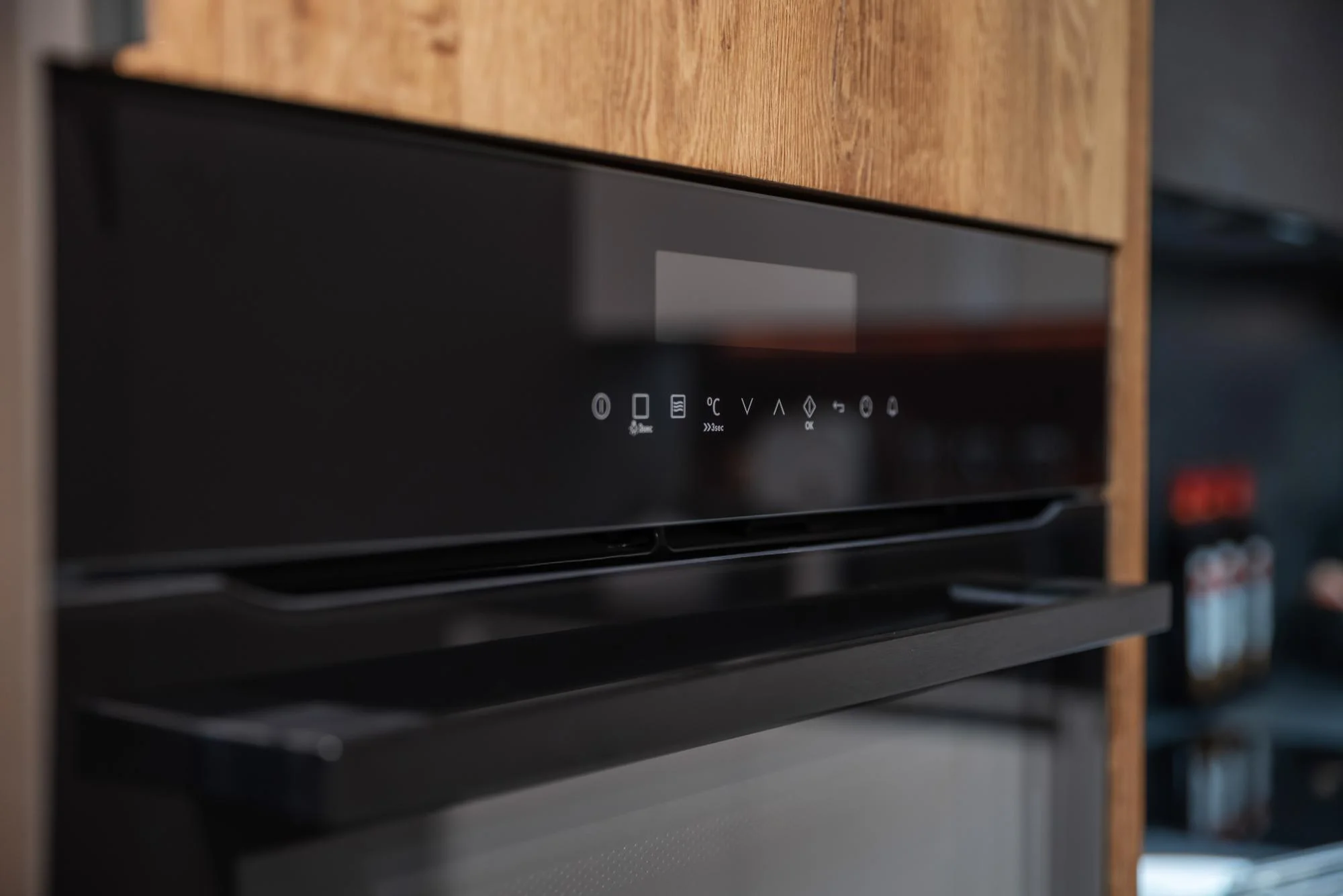
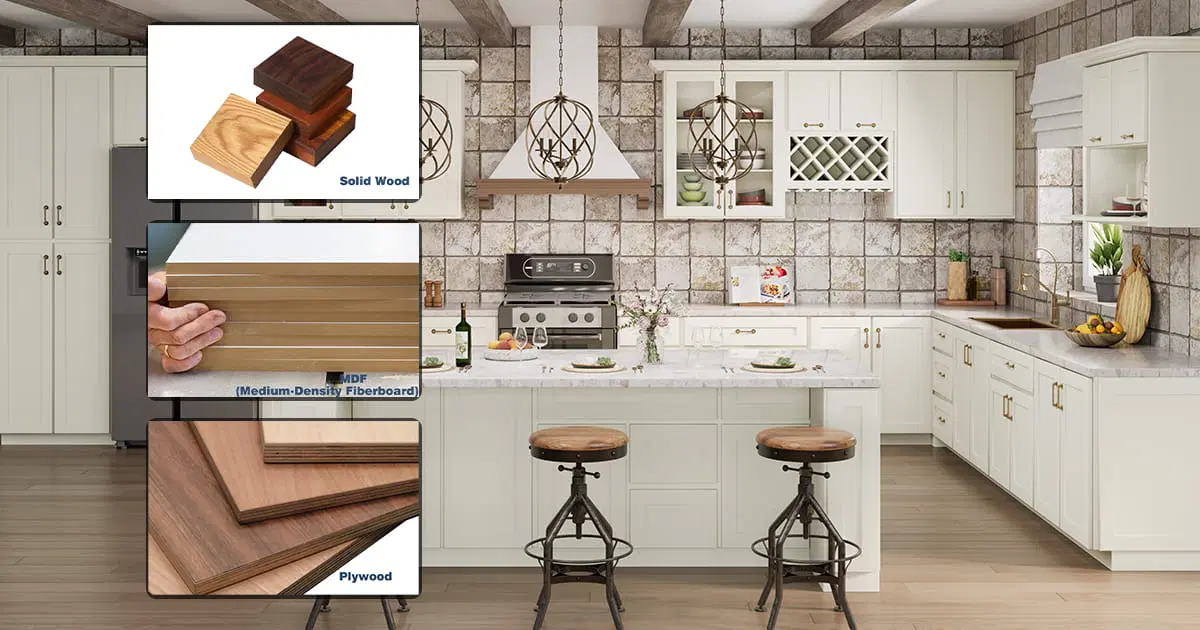
Solid wood cabinets are made from natural hardwood or softwood, giving kitchens a warm and timeless appearance. Popular wood choices include oak, maple, cherry, and walnut.
Many homeowners choose solid wood because it:
- Looks premium and natural
- Lasts for many years
- Can be repaired or refinished
- Adds strong resale value
Solid wood works best in:
- Luxury kitchens
- Traditional designs
- Custom cabinetry projects
However, solid wood cabinets are usually more expensive and may expand or shrink with humidity changes over time.
Plywood Cabinets
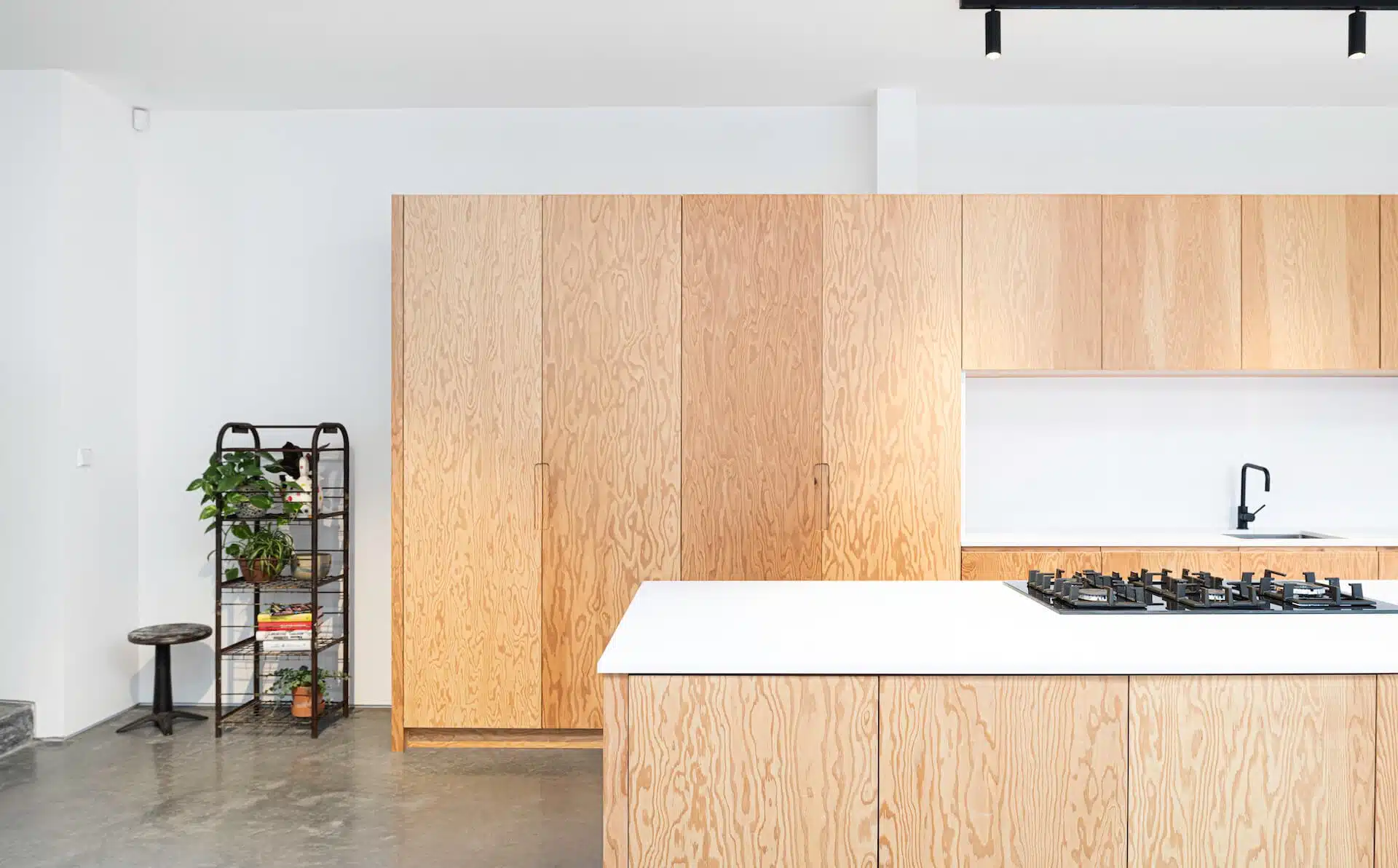
Plywood cabinets are made from thin layers of wood veneer pressed together for extra strength and stability.
Plywood is one of the most popular cabinet materials because it balances durability, moisture resistance, and long-term value.
Benefits of plywood cabinets:
- Strong and lightweight
- Better moisture resistance
- Excellent screw holding
- Long-lasting performance
Plywood is commonly used for:
- Cabinet boxes
- Shelves and drawers
- Sink base cabinets
- Busy family kitchens
Although plywood costs more than MDF or particle board, many homeowners consider it a worthwhile investment.
MDF Cabinets
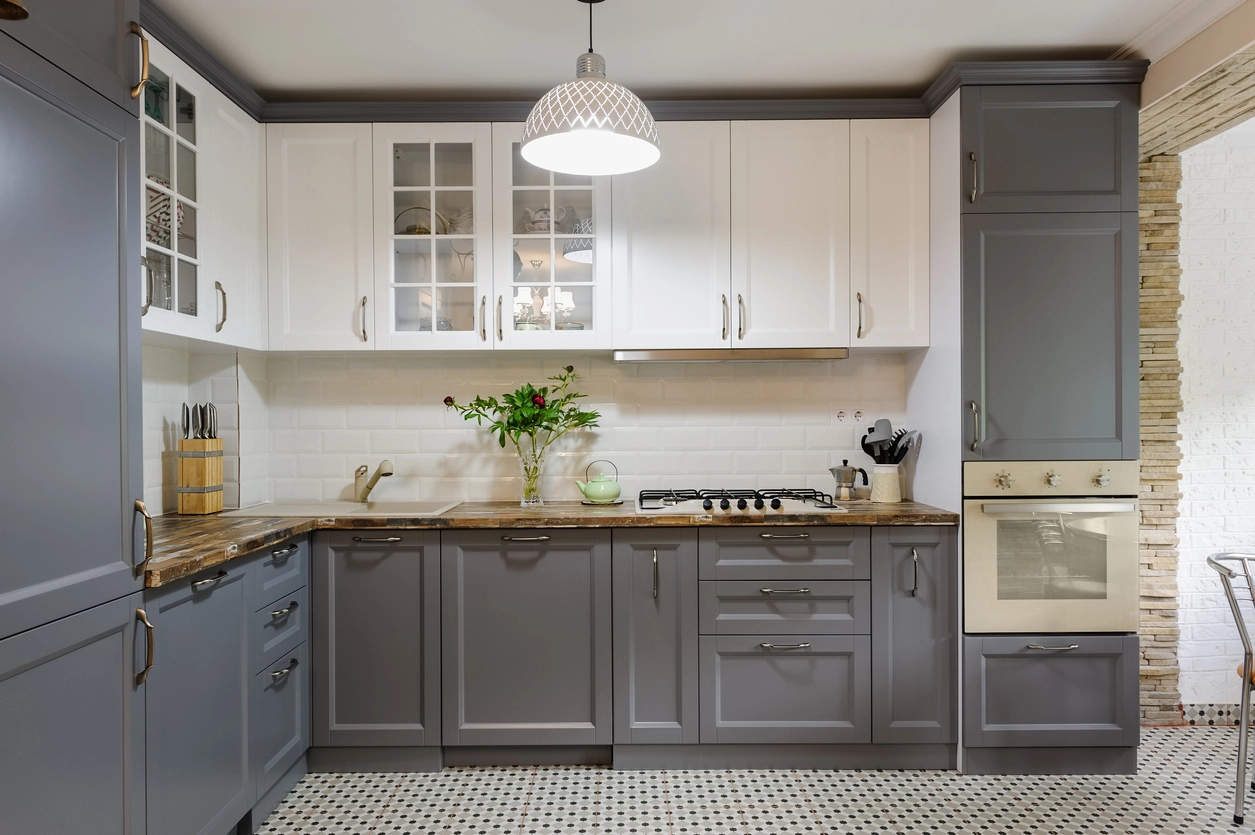
MDF, or Medium-Density Fiberboard, is an engineered wood product made from compressed wood fibers and resin.
MDF is popular for painted kitchen cabinets because of its smooth surface and consistent finish.
Advantages of MDF cabinets:
- Affordable pricing
- Smooth paint-ready surface
- No wood grain or knots
- Great for modern cabinet styles
MDF is commonly used for:
- Painted cabinet doors
- Decorative panels
- Shaker-style cabinets
One downside is that MDF can absorb moisture and swell if exposed to water for long periods.
Particle Board Cabinets
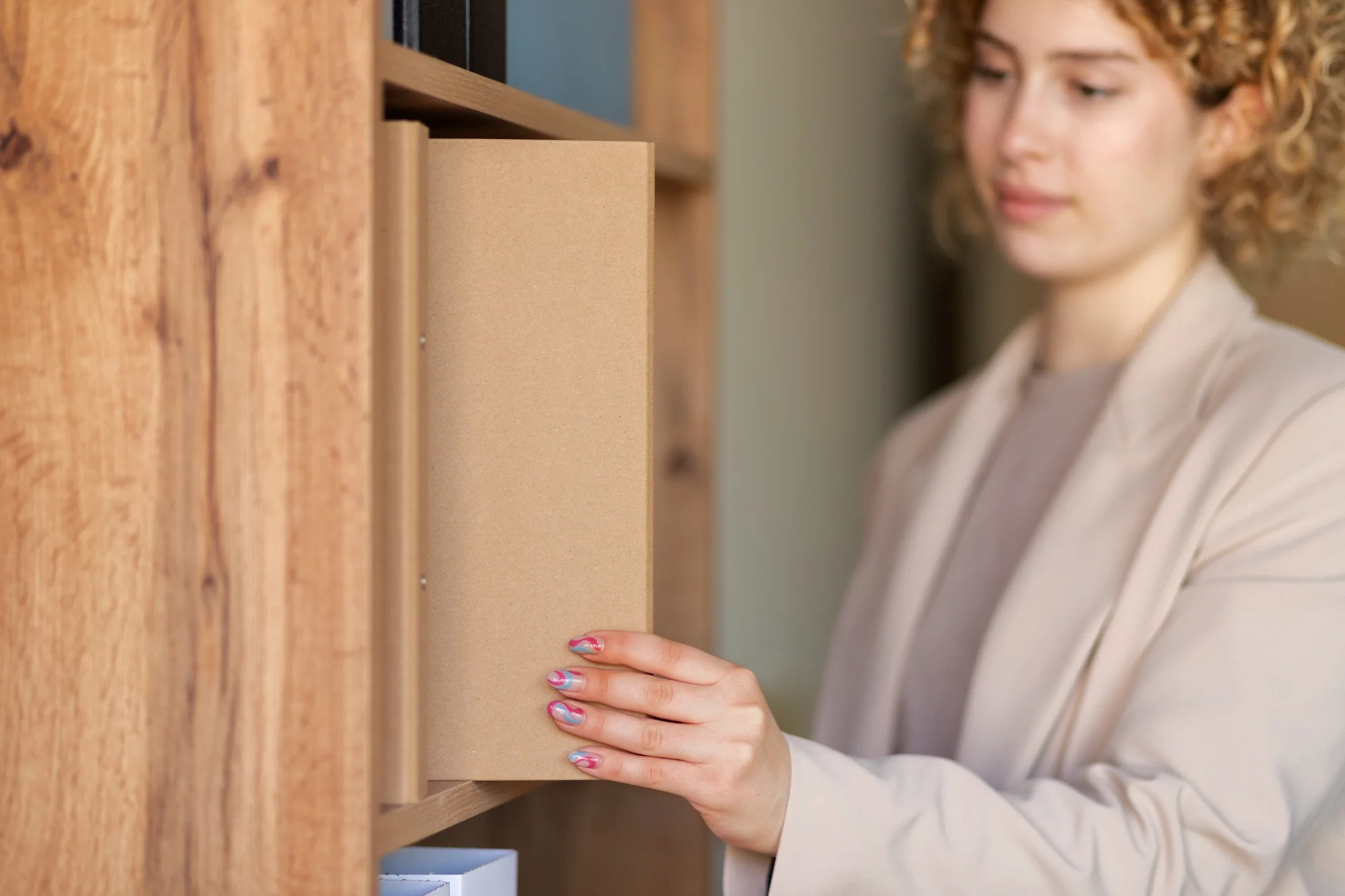
Particle board cabinets are made from wood chips and resin compressed into panels. They are one of the most affordable cabinet material options.
Many budget-friendly or ready-to-assemble cabinets use particle board because it lowers production costs.
Benefits of particle board:
- Lower price
- Lightweight structure
- Smooth surface for laminates
However, particle board has lower durability and weaker moisture resistance than plywood or MDF.
Particle board is best for:
- Budget kitchens
- Rental properties
- Temporary remodeling projects
For long-term heavy kitchen use, stronger materials are usually recommended.
Laminate and Melamine Cabinets
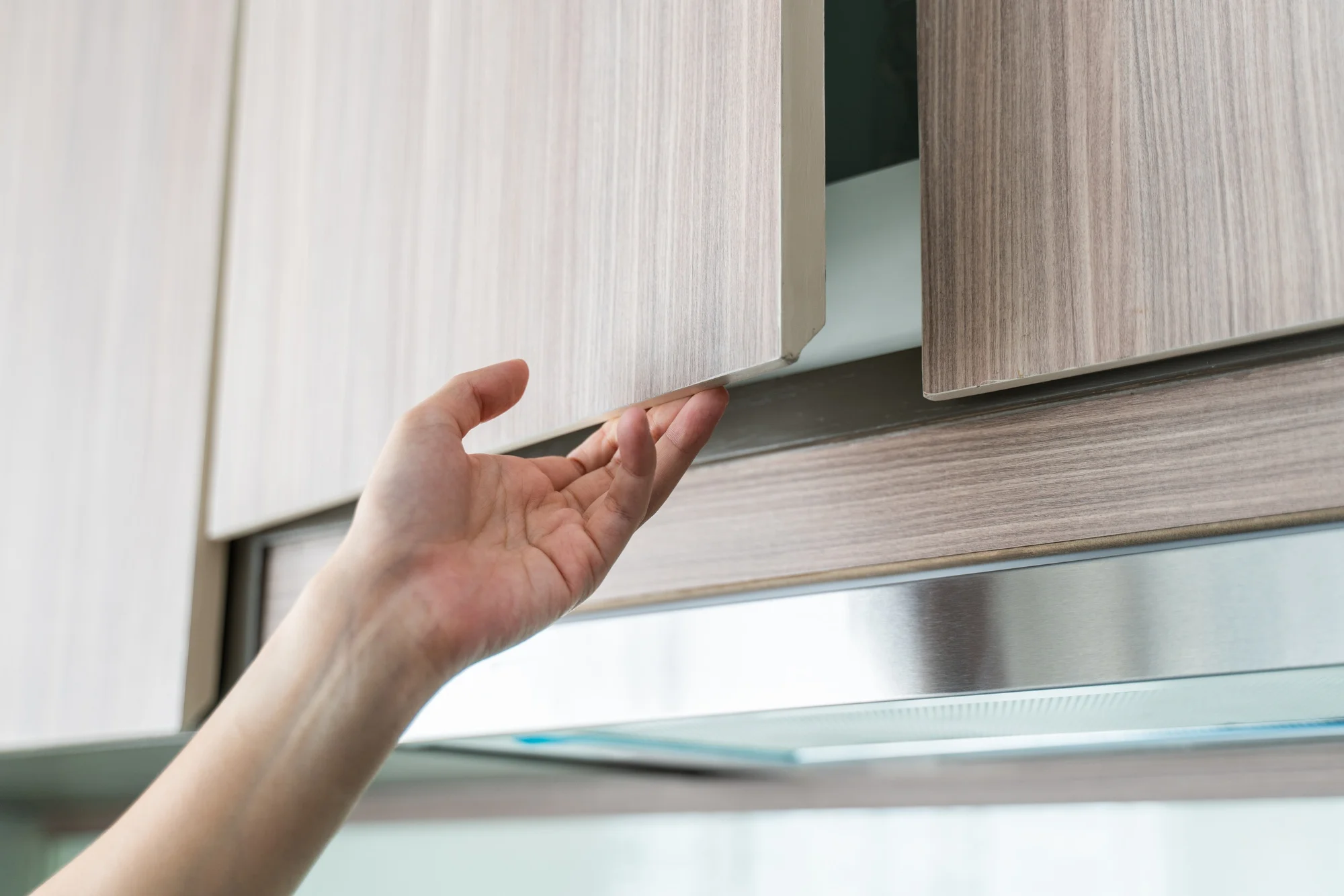
Laminate and melamine cabinets use decorative surface layers applied over engineered wood panels like MDF or particle board.
These materials are popular in modern kitchens because they offer many colors, textures, and easy maintenance.
Advantages include:
- Easy cleaning
- Scratch-resistant surfaces
- Affordable modern designs
- Good stain resistance
Laminate and melamine work well for:
- Contemporary kitchens
- Minimalist designs
- Budget-friendly remodels
One disadvantage is that edges may chip over time if not properly protected.
Stainless Steel Cabinets
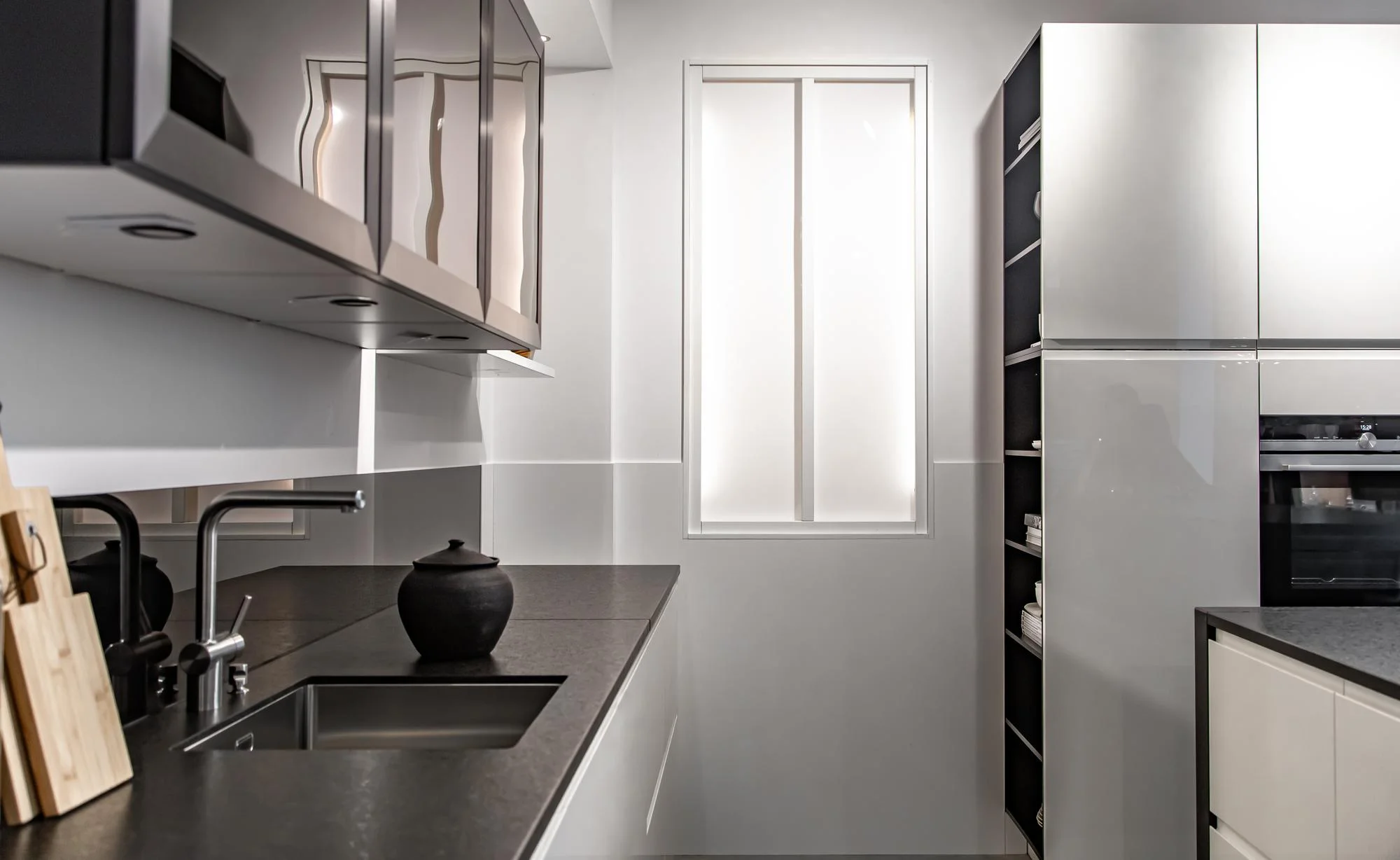
Stainless steel cabinets are commonly used in professional kitchens but are also becoming popular in modern residential homes.
They offer excellent durability and strong resistance to heat, water, and stains.
Benefits of stainless steel cabinets:
- Highly moisture-resistant
- Easy to sanitize and clean
- Modern industrial appearance
- Extremely durable
These cabinets are ideal for:
- Contemporary kitchens
- Outdoor kitchens
- Professional-style cooking spaces
However, stainless steel cabinets are usually more expensive and may show fingerprints more easily than other materials.
Kitchen Cabinet Materials Compared
| Material | Best For | Main Benefits | Main Drawbacks |
|---|---|---|---|
| Solid Wood | Luxury and traditional kitchens | Natural look, long lifespan, repairable surface | Higher cost and may react to humidity |
| Plywood | Cabinet boxes, shelves, and sink bases | Strong, lightweight, moisture-resistant | Costs more than MDF or particle board |
| MDF | Painted cabinet doors and decorative panels | Smooth finish, affordable, easy to shape | Can swell if exposed to moisture |
| Particle Board | Budget kitchens and temporary projects | Low cost, lightweight, laminate-friendly | Lower durability and weak moisture resistance |
| Laminate / Melamine | Modern and easy-clean kitchens | Easy to clean, many colors, stain-resistant | Edges may chip over time |
| Stainless Steel | Outdoor, modern, or professional kitchens | Waterproof, heat-resistant, very durable | Expensive and shows fingerprints easily |
Best Cabinet Materials for Different Cabinet Parts
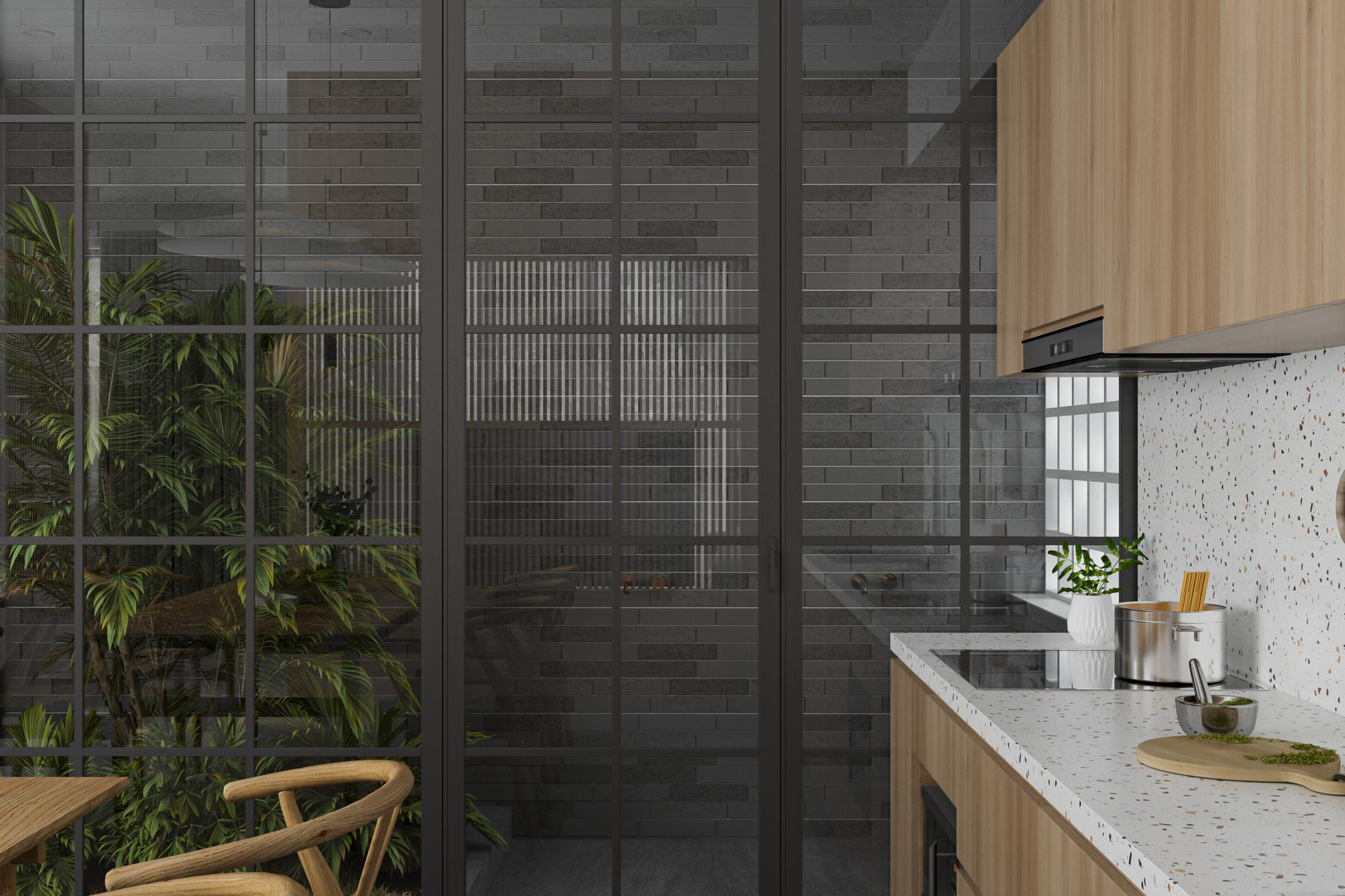
| Cabinet Part | Best Material | Why It Works Best |
|---|---|---|
| Cabinet Boxes | Plywood | Strong, lightweight, and good for long-term support |
| Cabinet Doors | MDF or Solid Wood | MDF is smooth for paint; solid wood gives a natural look |
| Shelves and Drawers | Plywood | Resists sagging and holds screws well for daily use |
| Sink Base Cabinets | Plywood | Handles moisture better near sinks and plumbing |
| Pantry Cabinets | Plywood with Laminate Surface | Strong for storage and easy to clean |
FAQs
What type of material is best for kitchen cabinets?
Plywood is often considered the best overall material for kitchen cabinets because it offers a strong balance of durability, moisture resistance, and long-term value. Solid wood is also popular for luxury kitchens.
What are the materials for kitchen cabinets?
Common kitchen cabinet materials include:
- Solid wood
- Plywood
- MDF
- Particle board
- Laminate
- Melamine
- Stainless steel
- Wood veneer
Is MDF better than PVC for kitchen cabinets?
MDF is usually better for painted cabinet doors because it has a smoother surface and a more premium appearance. PVC cabinets offer better water resistance and easier cleaning but may look less natural.
What kind of material are cabinets made of?
Kitchen cabinets are commonly made from wood, engineered wood products, or metal materials. Popular choices include plywood, MDF, particle board, solid wood, laminate-covered panels, and stainless steel.
 English
  Arabic
  Spanish
  Japanese
  Russian
  Korean
  French
  Italian