Tea Towel vs Kitchen Towel: Key Differences & Uses

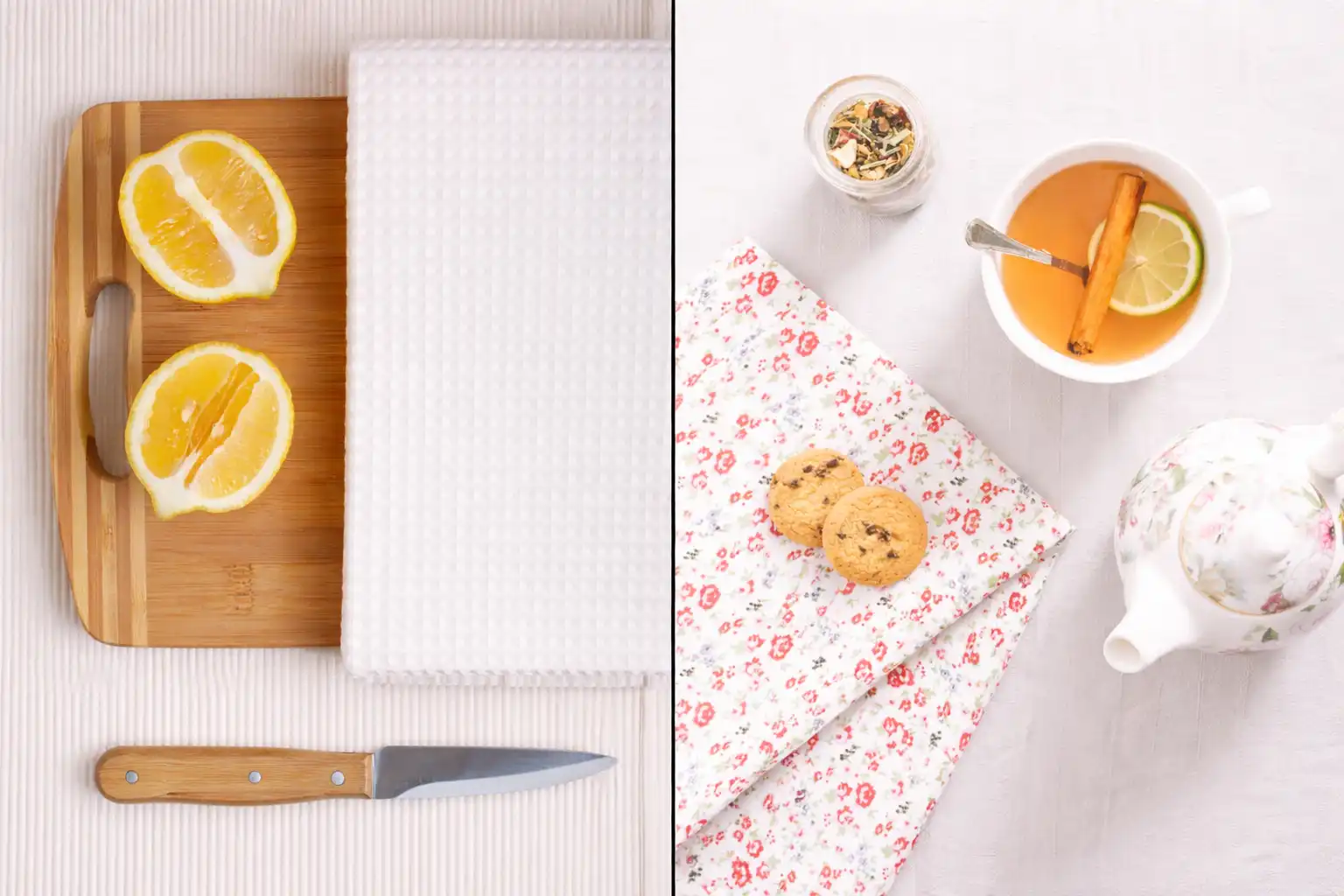
Kitchen and tea towels flat lay with lemons, tea cup and cookies
Tea towels are lighter, decorative cloths for gentle kitchen tasks, while kitchen towels are broader, thicker towels used for drying, cleaning, and heavy kitchen work.

Table of Contents

What Is a Tea Towel?
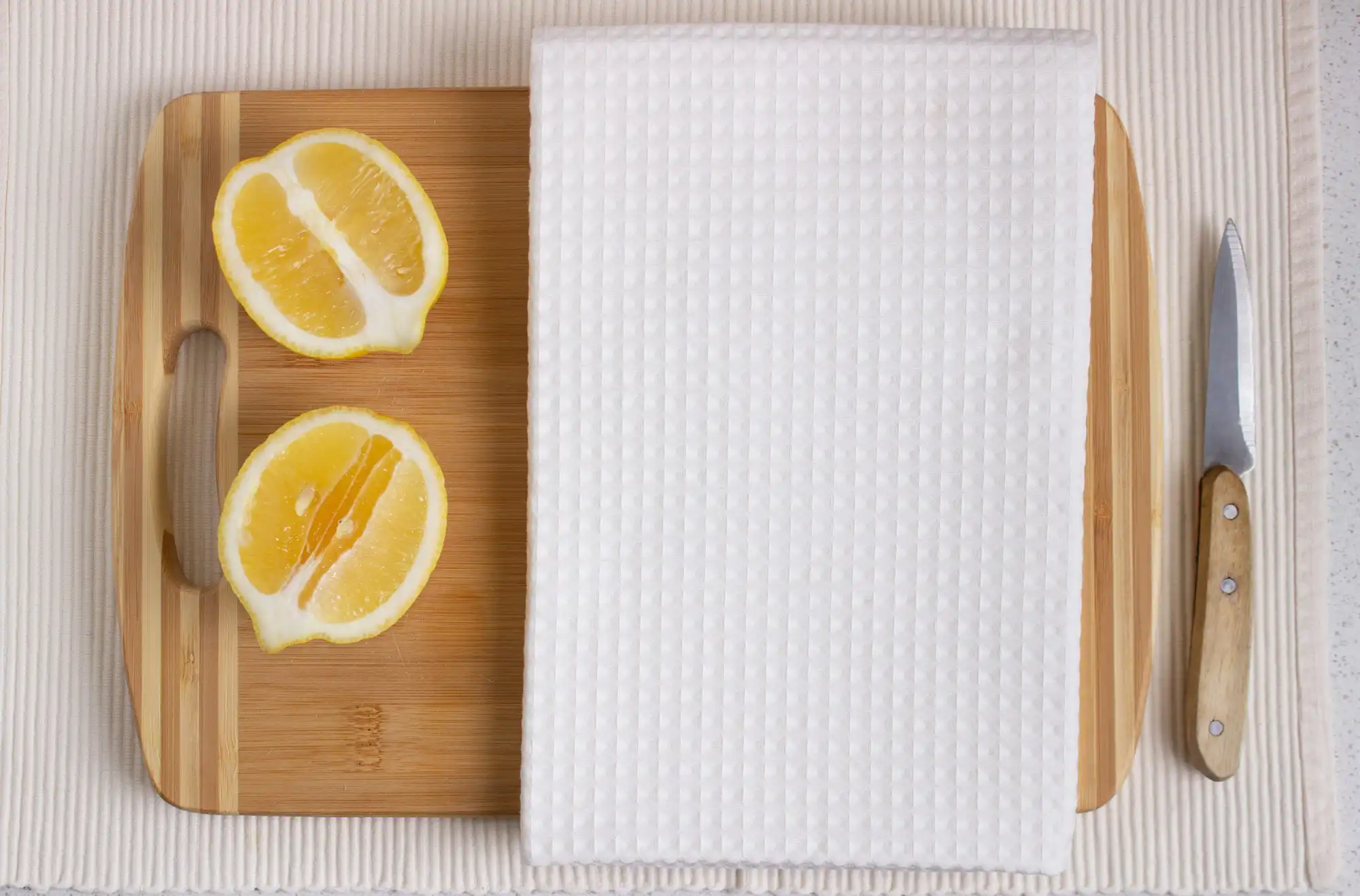
Modern kitchen towel flat lay with knife and cutting board

A tea towel is a lightweight kitchen cloth traditionally made from linen or soft, flat-woven cotton. The term originated in 18th-century Britain, where tea towels were used to dry fine china and cover tea trays—hence the name. Because of their smooth, lint-free weave, they were gentle enough for delicate glassware and ceramics.

Today, tea towels are still valued for those gentle tasks. They’re often used to dry wine glasses, line serving trays, cover baked goods, or bring a decorative touch to the kitchen. Many feature printed patterns, seasonal designs, or embroidery, making them practical as well as visually appealing.

What Is a Kitchen Towel?
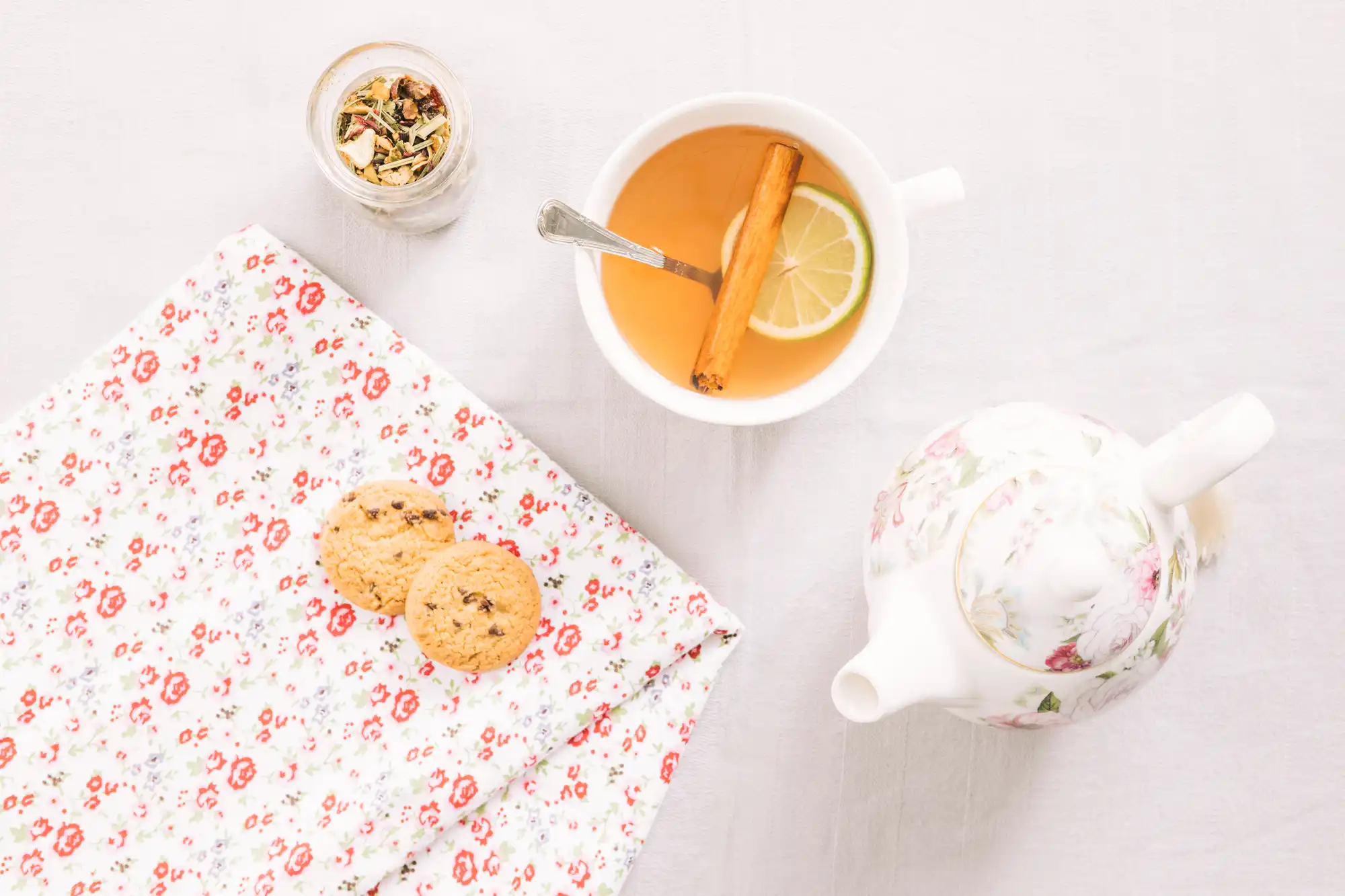
Floral tea towel with teapot and lemon cinnamon tea

A kitchen towel is a broad category of multipurpose towels designed for everyday work around the kitchen. Unlike tea towels, they come in a range of more robust weaves such as terry, waffle, and heavy cotton, which boosts absorbency and durability.

Kitchen towels are the workhorses of the kitchen. They dry hands and dishes, wipe spills, clean countertops, and sometimes even handle hot lids or warm cookware. Their thicker construction helps them soak up water quickly and withstand frequent washing, making them essential for regular cooking and cleaning tasks.
Tea Towel vs Kitchen Towel: Key Differences

Kitchen and tea towels flat lay with lemons, tea cup and cookies

1 Material & Texture

Tea towels are typically made from linen or smooth cotton with a flat, tightly woven texture. This gives them a lighter hand-feel and almost no lint, which is why they’re great for delicate items and decorative use.

Kitchen towels, on the other hand, are usually thicker and more absorbent, made from terry cloth, waffle weave, or dense cotton. Their textured surface helps grab water, spills, and mess much more effectively.

2 Absorbency & Performance

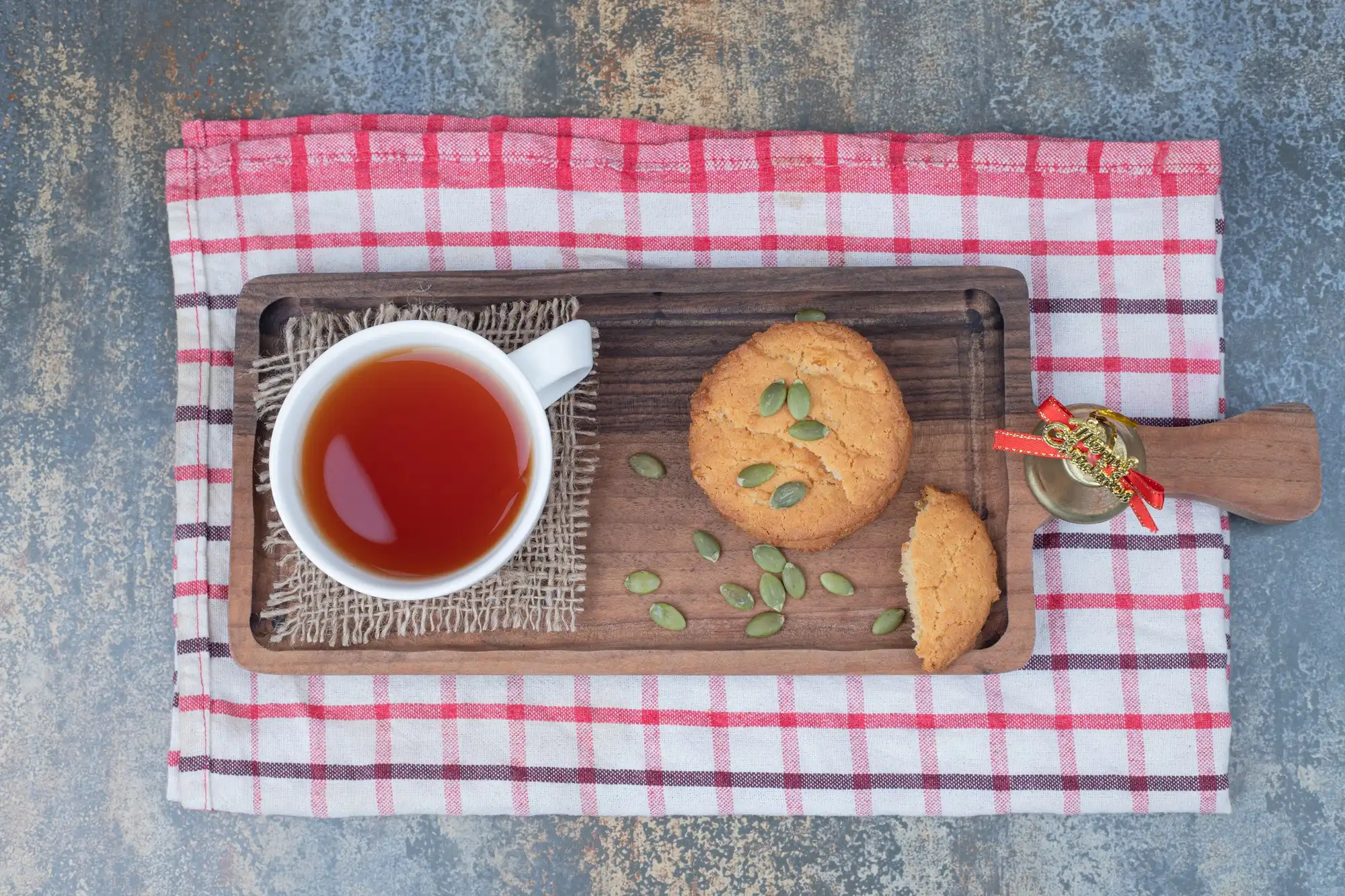
Tea cup and cookies on wooden tray with checkered towel

When it comes to raw absorbency, kitchen towels win. Their bulkier fibers can soak up more water and deal with frequent hand-drying, spill cleanup, and dishwashing tasks.

Tea towels dry quickly and handle light duties well, but they’re not meant for heavy water absorption. Think: polishing glasses, covering bread dough, or lining trays rather than mopping up a spill.

3 Primary Uses

Tea towels are best for light, delicate, or decorative use, such as:

  • Drying stemware and china

  • Covering baked goods

  • Styling serving trays or tables

  • Adding a touch of décor to the kitchen

Kitchen towels are built for everyday kitchen work, including:

  • Drying hands and dishes

  • Cleaning counters and stovetops

  • Handling small heat tasks

  • Managing spills and splashes

Over time, this difference makes the tea towel more of a specialty item and the kitchen towel the everyday workhorse.

Choosing the Right Towel for Your Kitchen

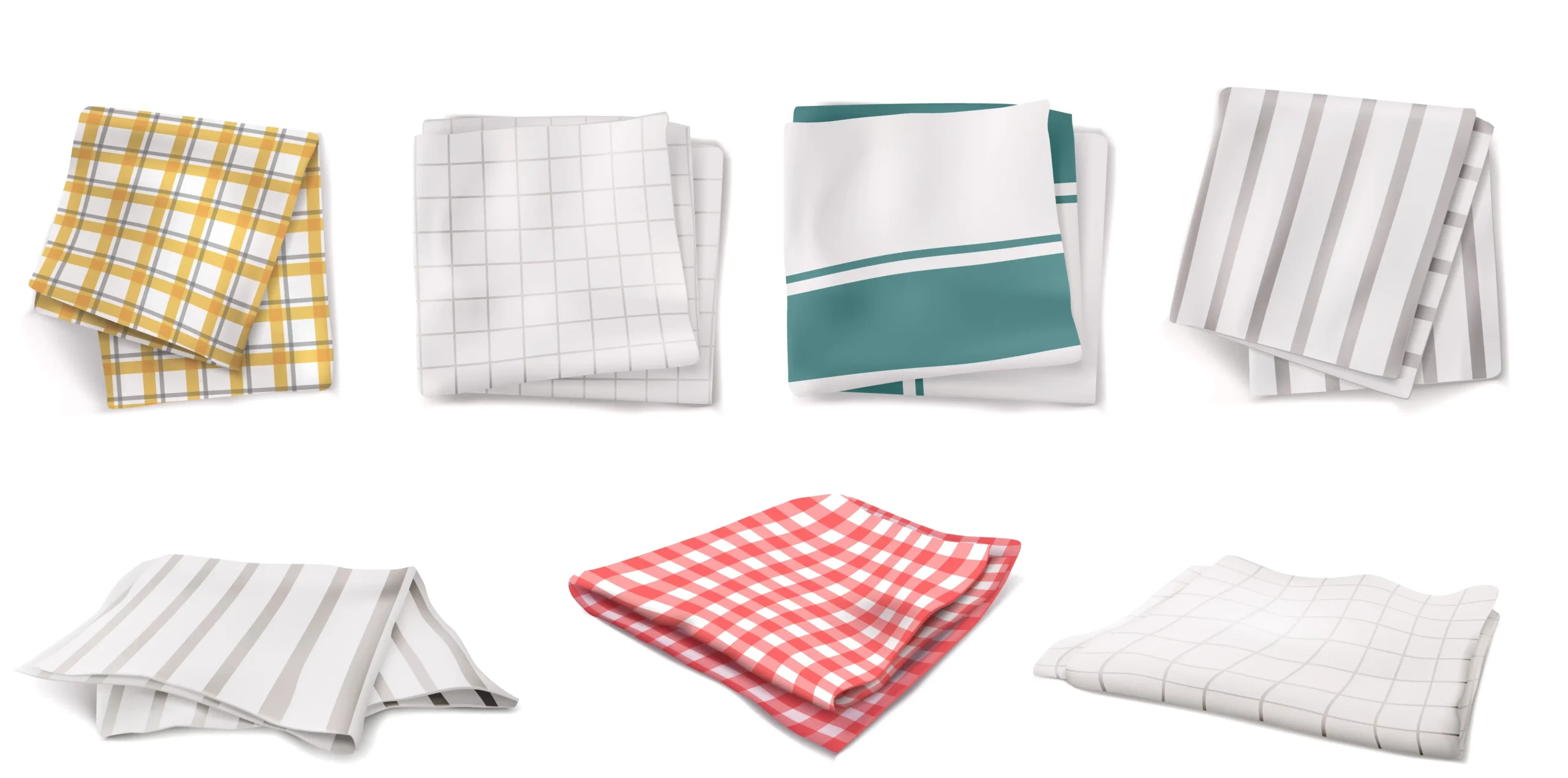
Assorted kitchen towels in plaid and striped designs

Choosing between a tea towel and a kitchen towel really depends on how you cook, clean, and use your space. If your kitchen is busy and you’re constantly drying hands, wiping counters, or tackling spills, a thicker kitchen towel will serve you better. Its absorbency and durability make it the everyday utility towel most homes rely on.

If you love hosting, styling your space, or working with delicate items like wine glasses, then a tea towel earns its spot. Its smooth texture leaves glassware streak-free and doubles as a charming decorative layer on oven handles, trays, or bread baskets.

When deciding what to buy, consider three things:

  • Absorbency: For heavy tasks, choose terry or waffle kitchen towels.

  • Decorative appeal: Tea towels add pattern, color, and visual style.

  • Durability: Thicker weaves withstand frequent washing and rough use.

Many kitchens use both—one for the work, one for the look—so the space stays both practical and beautifully styled.

Need Quality Kitchen Textiles?

Whether you’re sourcing tea towels, kitchen towels, or complete textile sets, we can help you choose the right materials, weaves, and designs for performance and style.

Contact us today to request samples, pricing, or trade support — we’ll tailor solutions to your kitchen or business needs!

FAQs

Is a tea towel a kitchen towel?

Yes — a tea towel is technically a type of kitchen towel. Tea towels are thinner and flatter than heavier kitchen towels, but both are used in kitchen tasks.

What is the point of tea towels?

Tea towels are designed for lighter, gentle kitchen tasks like drying glassware without lint, covering baked goods, and adding decorative style.

What do Americans call a kitchen towel?

In American English, the everyday absorbent cloth used in kitchens is typically called a dish towel or kitchen towel; what some call a tea towel in the UK can also be called a dish towel in the U.S.

Why isn’t the use of tea towels recommended?

Using the same towel for many tasks without frequent washing can spread bacteria such as E. coli. Damp tea towels can harbor germs if not cleaned often or used for multiple purposes.

Related Posts

Share the Post: