

What Is Soft White Light?
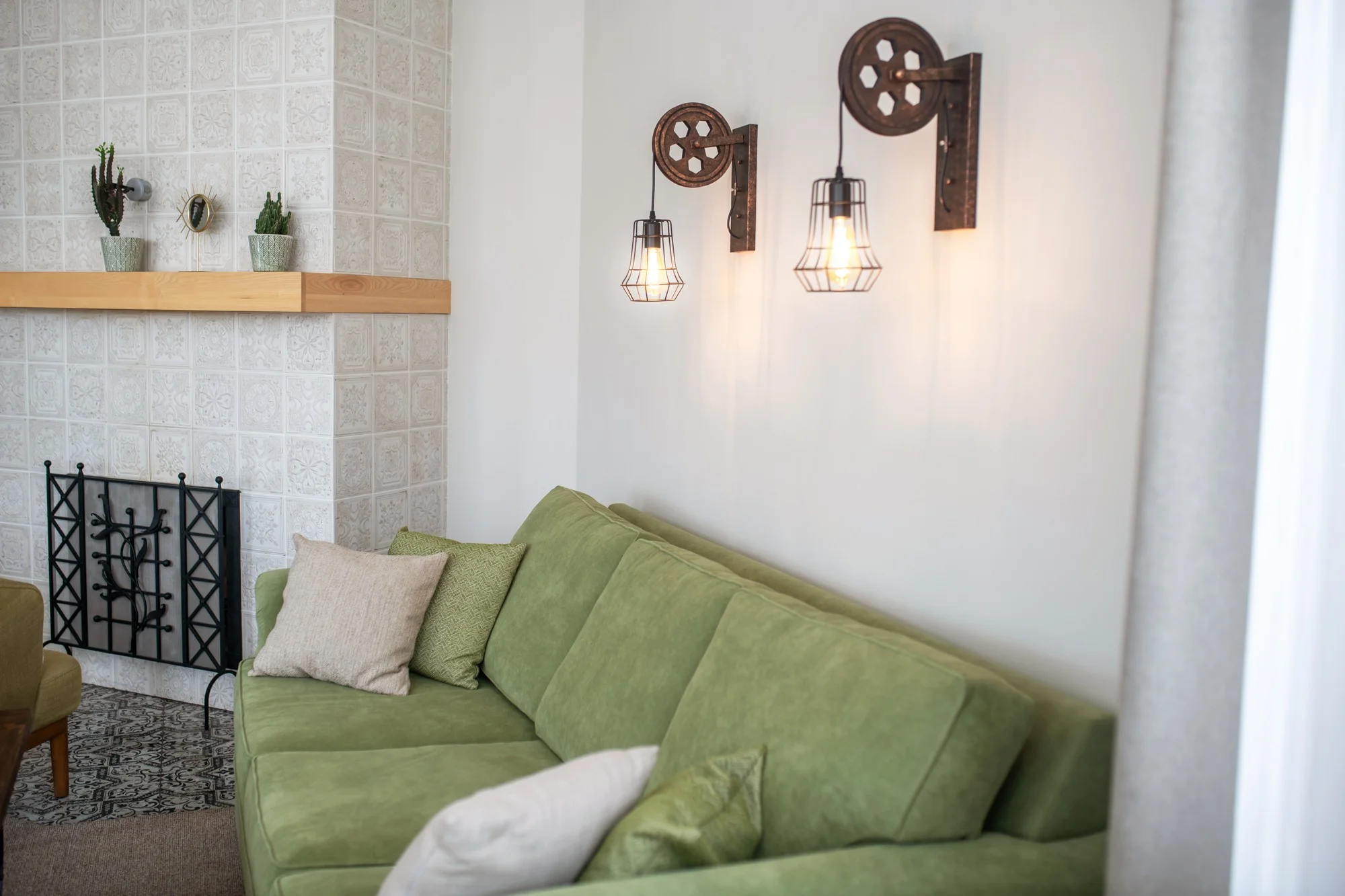
Soft white bulbs give off a warm, yellowish glow that feels cozy and inviting. They typically sit around 2700–3000K on the Kelvin scale, which is close to traditional incandescent lighting. Because of their warmth, soft white light naturally makes a living room feel more relaxed and intimate.
This type of lighting pairs well with warm décor, wood finishes, earthy textiles, and neutral palettes. It softens shadows and creates a comfortable backdrop for everyday life. Soft white is a favorite choice for lounging, movie nights, reading on the sofa, or chatting with guests, especially in the evening when you want to wind down.
What Is Daylight Light?
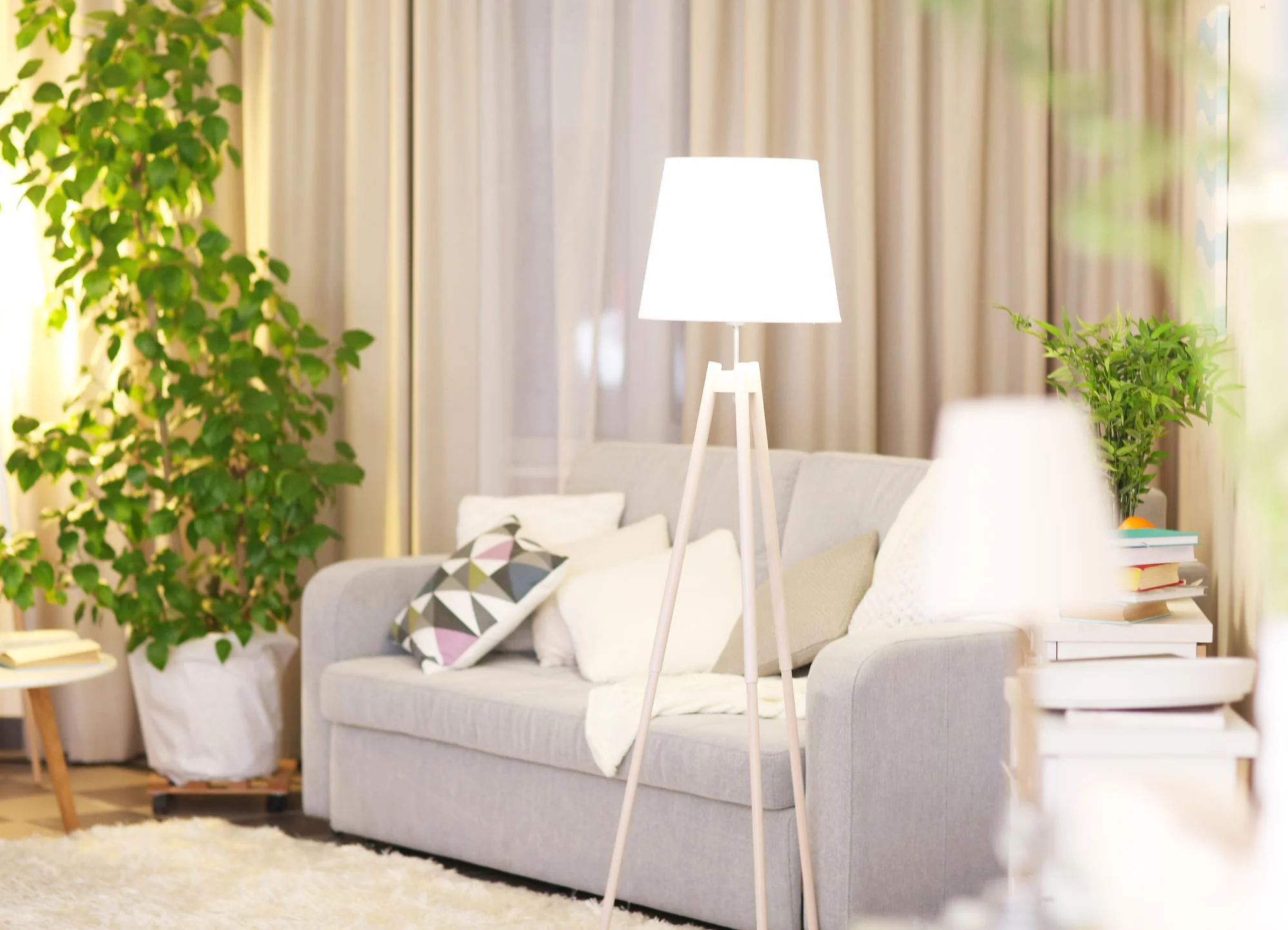
Daylight bulbs produce a cooler, bluish-white light that mimics the brightness of natural sunlight. They usually fall between 5000–6500K, giving a crisper and more energizing feel. Because of their clarity, daylight bulbs increase visibility, contrast, and color accuracy, helping the room look bright and more open.
Daylight lighting works best in spaces where you need focus and visual clarity, such as reading corners, craft areas, or near desks. It also complements modern interiors, light walls, and minimalist designs. In rooms that lack natural windows, daylight bulbs can instantly lift the mood by making the space feel fresh and well-lit.
Key Differences Between Daylight & Soft White
#1 Color Temperature & Mood
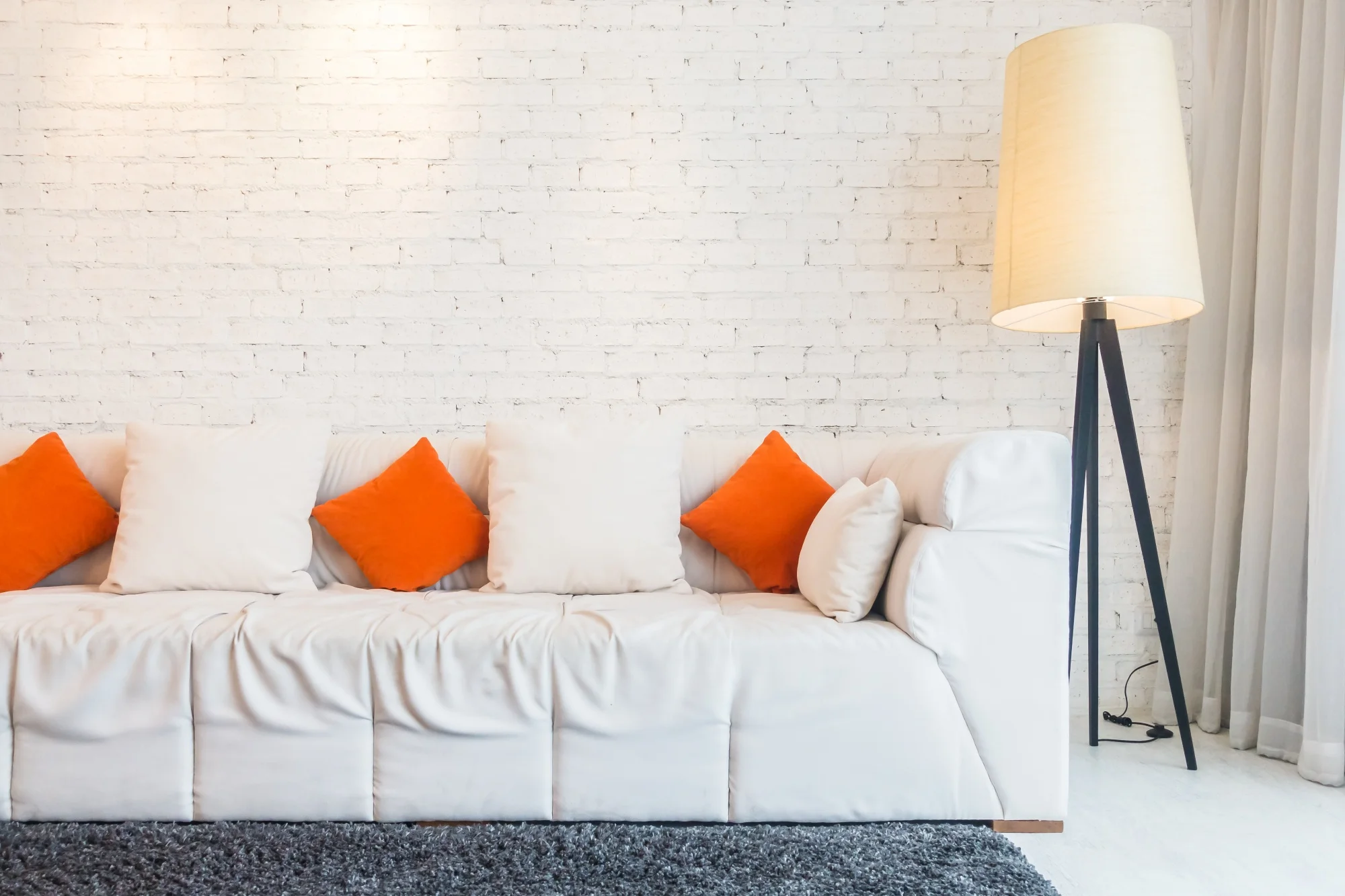
The biggest difference between soft white and daylight is color temperature.
Soft white bulbs fall on the warm end of the spectrum, giving off a mellow yellow glow.
Daylight bulbs sit on the cool end, producing a bright, crisp white light.
This temperature shift changes how a living room feels: soft white feels cozy and calm, while daylight feels fresh and energizing.
#2 Ambience and Feel
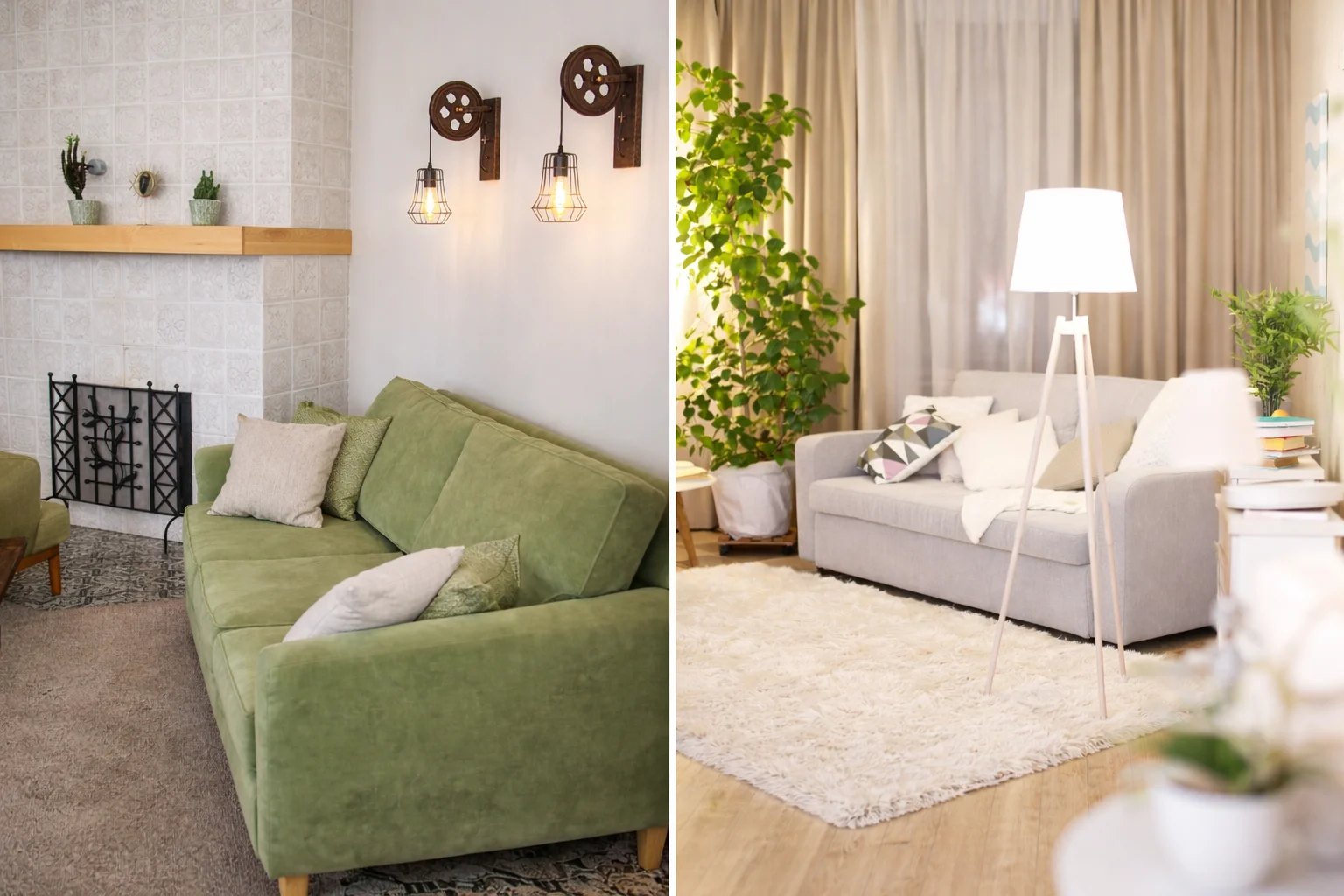
Soft white lighting promotes relaxation and comfort, making it easy on the eyes during evening downtime. It encourages you to unwind, talk, read, or watch TV without feeling overstimulated.
Daylight lighting increases alertness and brightness, which helps with focus and activity. It lifts shadows, sharpens details, and creates a sense of openness — especially useful in darker rooms or homes with limited natural light.
#3 Color Rendering & Décor Effects
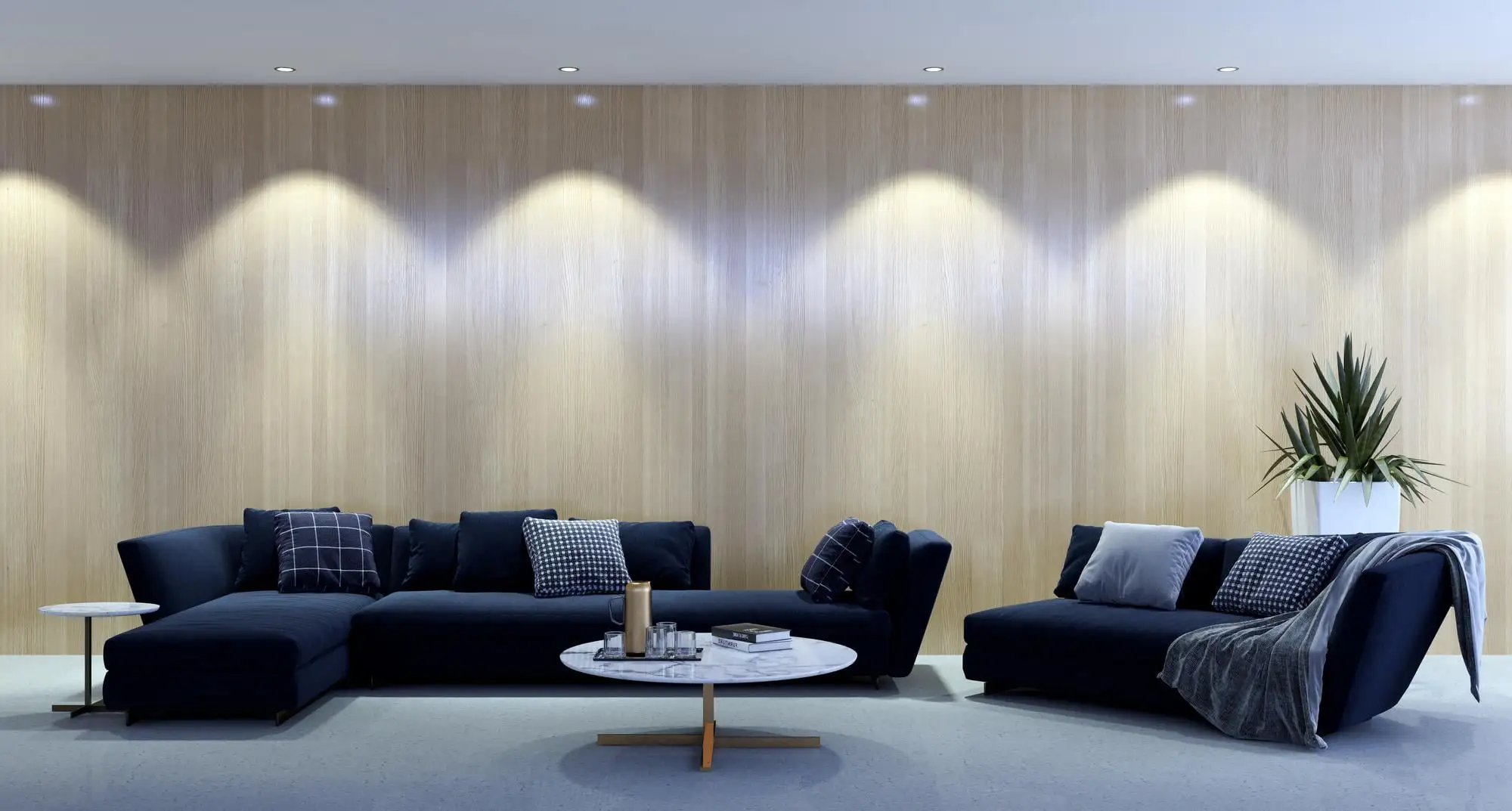
Light affects how colors look in a room.
Soft white tends to warm up surfaces and fabrics, enriching wood tones, beiges, and warm décor palettes.
Daylight reveals more true-to-life colors and stronger contrasts, which benefits modern designs, cool neutrals, and bold accents.
This difference can influence how your paint, furniture, and décor actually appear — something many homeowners only notice once the bulbs are installed.
When to Use Soft White in Your Living Room
Soft white is a great choice if your living room is primarily a space for comfort and winding down. Consider soft white when your room is designed for:
Primary ambient lighting at night or during relaxed evenings
Warm color palettes, natural wood tones, and earthy textiles
Cozy seating zones like movie areas or conversation corners
Layered lighting setups that include floor lamps, table lamps, or sconces
Dimmers, which allow even more control over mood and brightness
Soft white creates a soothing backdrop that feels familiar and welcoming, especially if your living room is a place to unwind rather than work.
When Daylight Works in Your Living Room
Daylight bulbs shine (literally) in spaces where clarity, brightness, and visibility matter. They’re ideal in living rooms that are:
Low on natural daylight or far from windows
Used for reading, hobbies, crafts, or detailed activities
Designed with modern or neutral décor that benefits from truer color rendering
Set up with accent or task lighting, such as in reading corners or desk areas
Paired with other daylight lamps to avoid temperature mismatch
Daylight lighting keeps the room feeling open and visually stimulating, which works especially well in daytime-use living rooms or active households.
Ready to Create the Perfect Living Room Lighting?
Choosing between soft white and daylight can completely change how your living room feels and functions. If you’re planning a lighting update, remodeling, or furnishing a new space, we can help you choose the right Kelvin range, bulbs, and fixtures for your style and lifestyle.
Contact us today for personalized recommendations and expert living room lighting guidance.
FAQs
Is soft white or daylight better for a living room?
Soft white is usually better for living rooms because it creates a warm, cozy glow that feels relaxing and inviting. Daylight can work too, especially where you need extra brightness, but many designers favor soft white for comfort.
Which color light is best for a living room?
Warm or soft white light (2700–3000K) is often best for living rooms, as it enhances comfort and ambience. Brighter, cooler lights like daylight are better where clarity or detail work is needed.
Can you use daylight bulbs in a living room?
Yes — you can use daylight bulbs in a living room, especially in areas with little natural light or where you need enhanced brightness and visibility. However, they may feel cooler and less cozy than soft white.
What’s the difference between daylight and soft white LED?
Daylight LEDs have cool, bluish-white light (≈5000–6500K) that mimics natural light, while soft white LEDs have warm, yellowish light (≈2700–3000K) that creates a cozy atmosphere. The two affect mood and color perception differently.



 English
  Arabic
  Spanish
  Japanese
  Russian
  Korean
  French
  Italian