

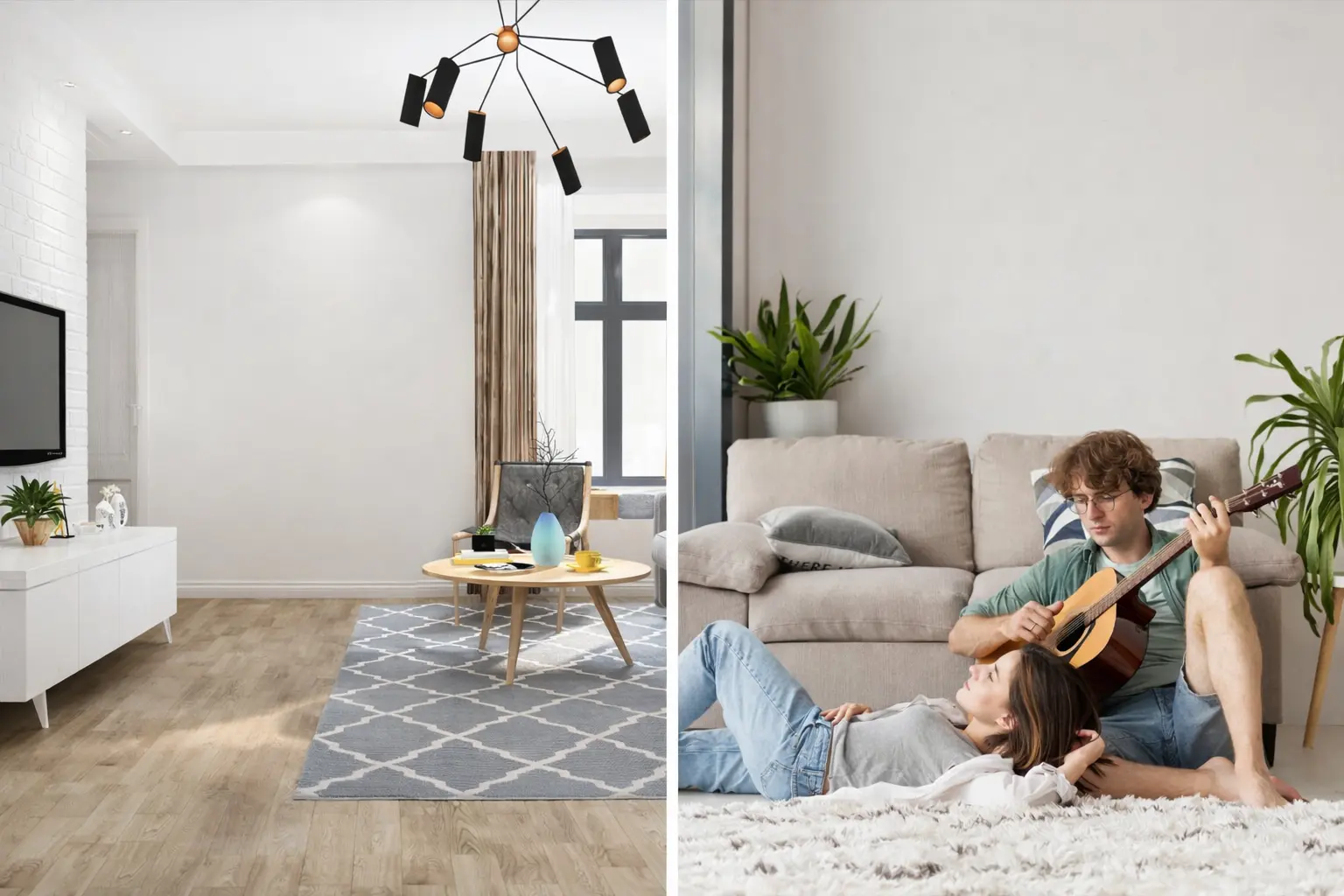
What Is a Family Room?
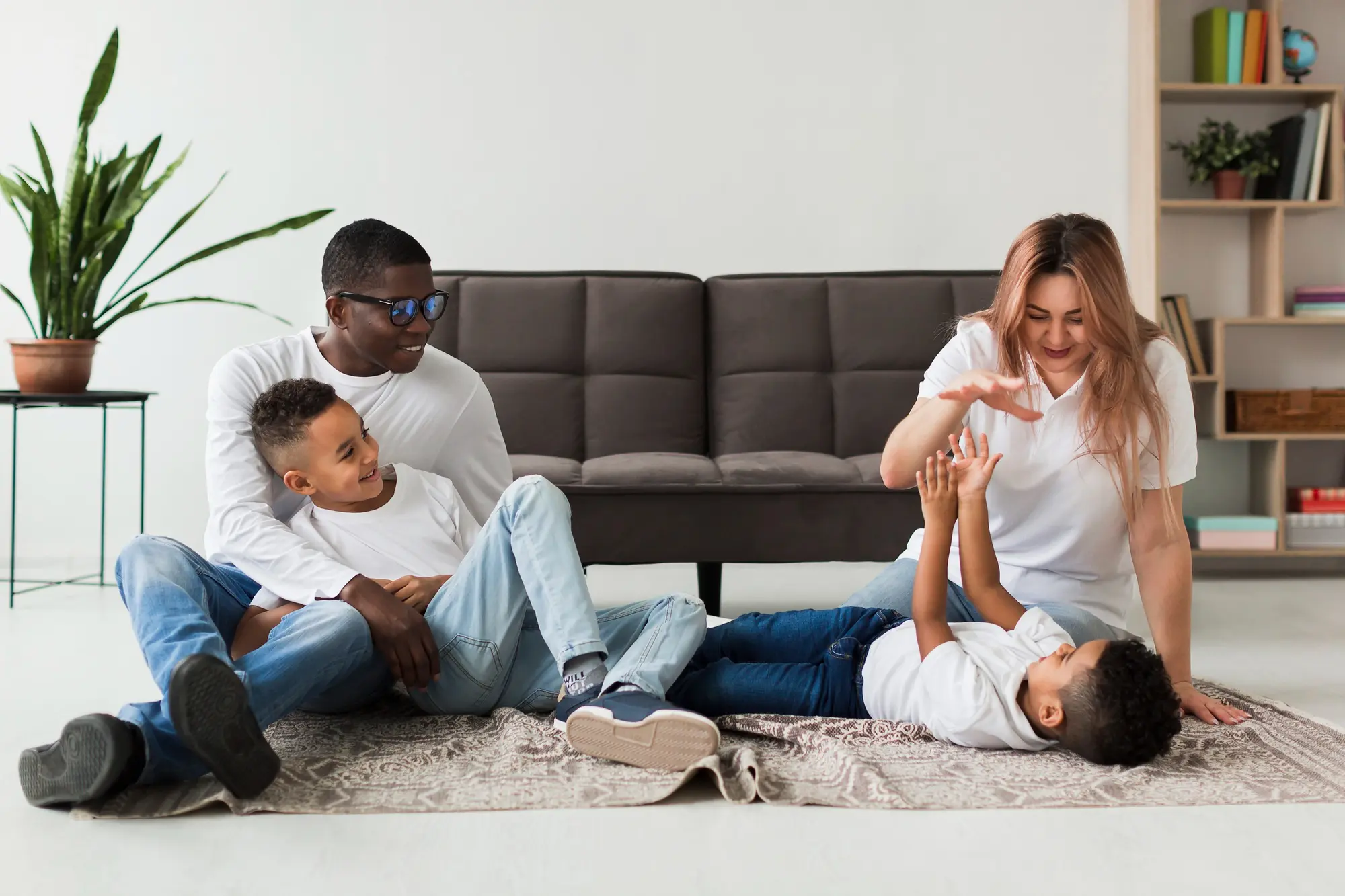
A family room is designed for everyday living. It’s where people relax, watch TV, play games, do homework, and hang out together. Because it’s meant for real daily use, the furniture is usually comfortable, durable, and kid-friendly.
Family rooms often sit near the kitchen or toward the back of the home, making it easy for everyone to stay connected. It’s casual, warm, and flexible — the kind of space that naturally becomes the hub of the house.
What Is a Living Room?
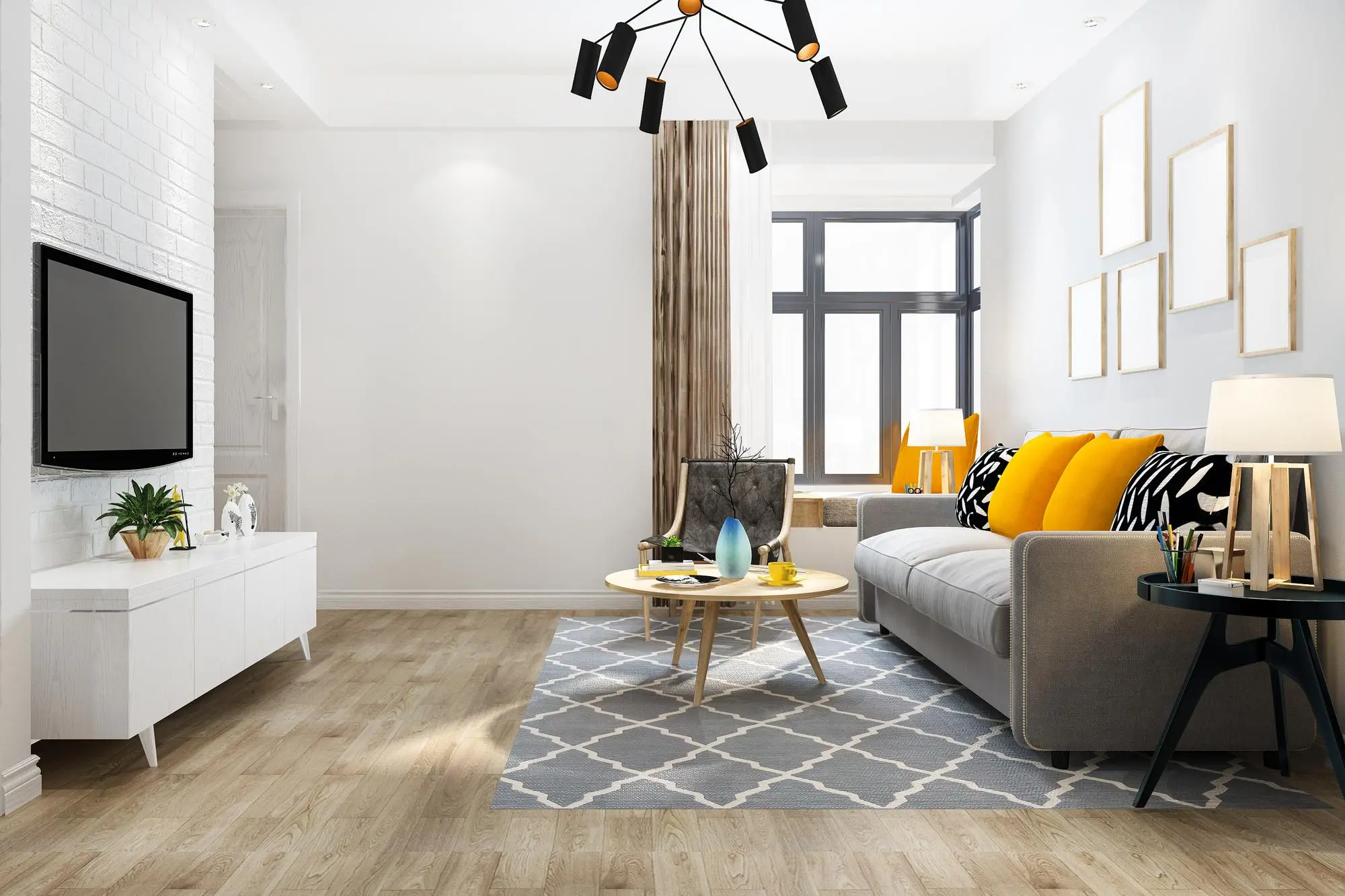
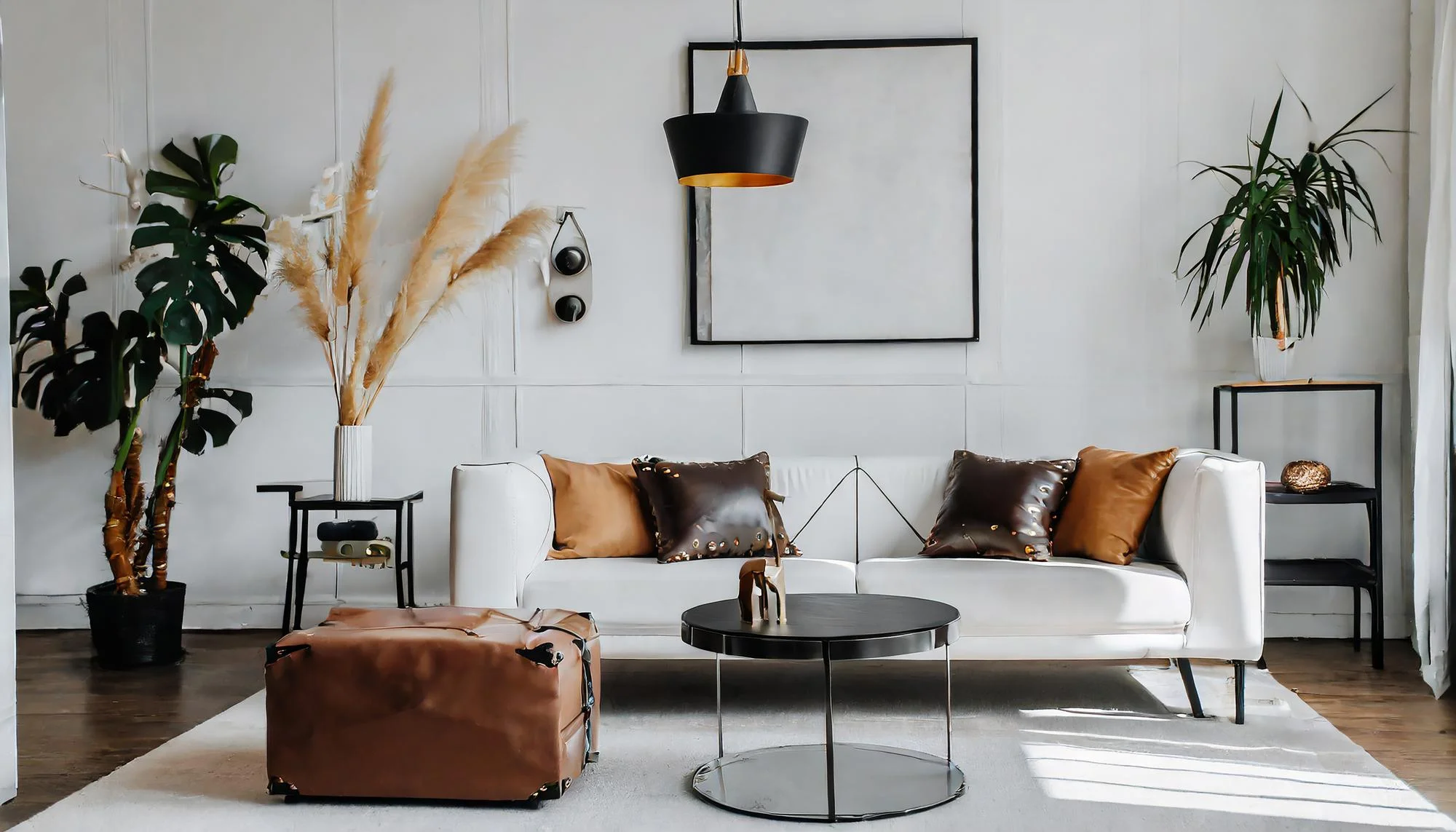
A living room serves a more formal purpose. It’s commonly located near the front of the home and acts as a welcoming space for guests. The design tends to be more polished, with coordinated décor, refined seating, and fewer “everyday” items lying around.
Some families use the living room only for hosting, quiet reading, or special occasions. Others may use it daily, but it generally has a more intentional and styled look compared to the family room.
Key Differences Between a Family Room and a Living Room
While many people use the terms interchangeably, the two spaces serve different roles at home. Here are the core distinctions:
1. Formality & Function
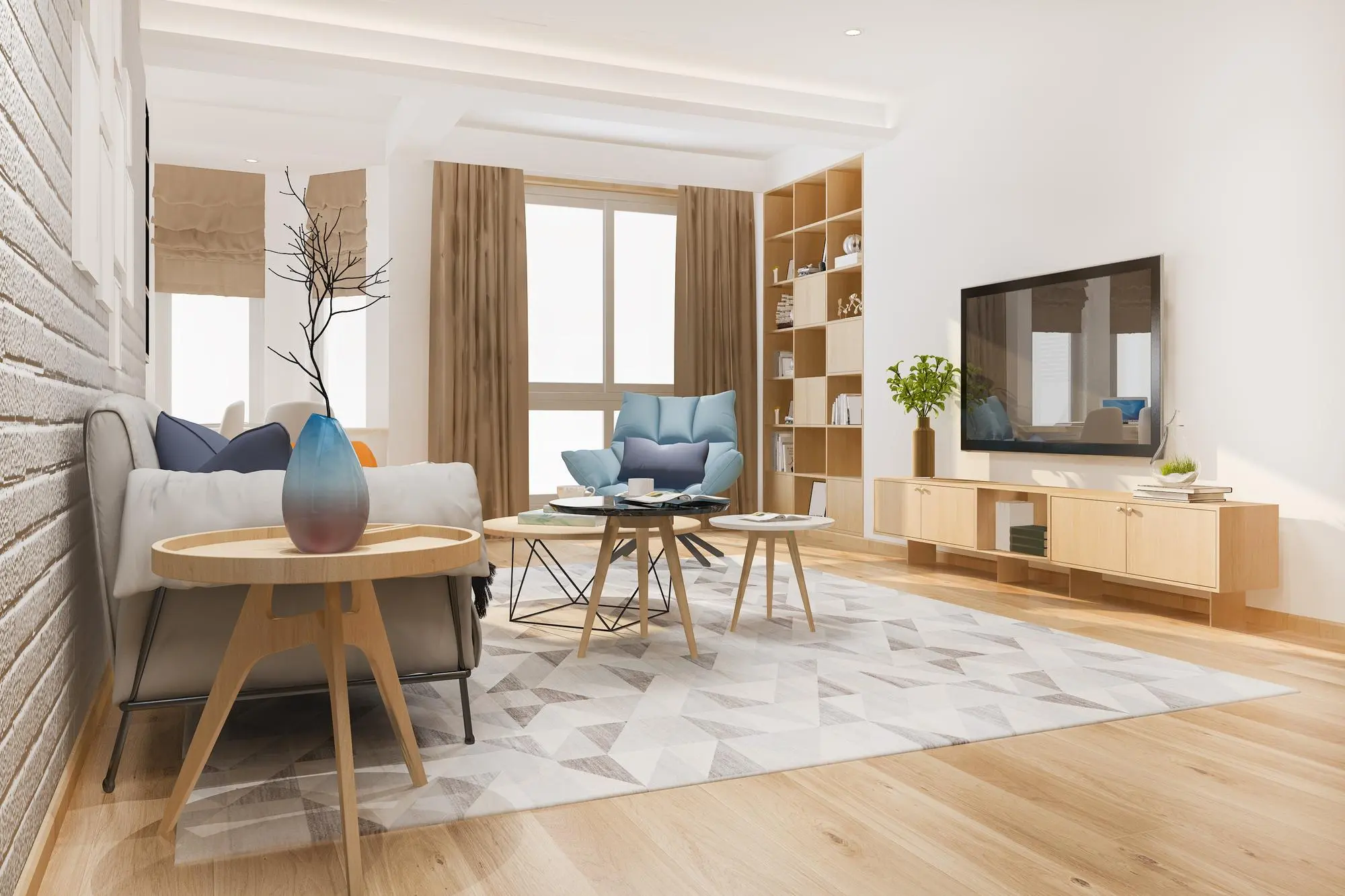
The family room is all about everyday living. It’s where people watch TV, unwind after work, and spend time together. Comfort and practicality come first.
The living room, on the other hand, leans more formal. It’s traditionally seen as a space for hosting guests, having conversations, or displaying curated décor. Some families use it mainly for special occasions.
2. Design & Décor
Family rooms tend to feel warm, casual, and relaxed, with durable materials and pieces that can handle regular use. Think cozy throw blankets, kid-friendly fabrics, and media consoles.
Living rooms are typically more styled and elevated, often featuring coordinated colors, decorative lighting, accent chairs, or art pieces. Everything looks a bit more polished and intentional.
3. Furniture & Layout
In a family room, you’ll often see large sectional sofas, recliners, and entertainment setups centered around a TV or media wall. The layout encourages lounging and conversation.
Living rooms usually use arranged seating with loveseats, accent chairs, or settees. The layout feels balanced and symmetrical, and there may be no TV at all.
4. Typical Placement & Flow
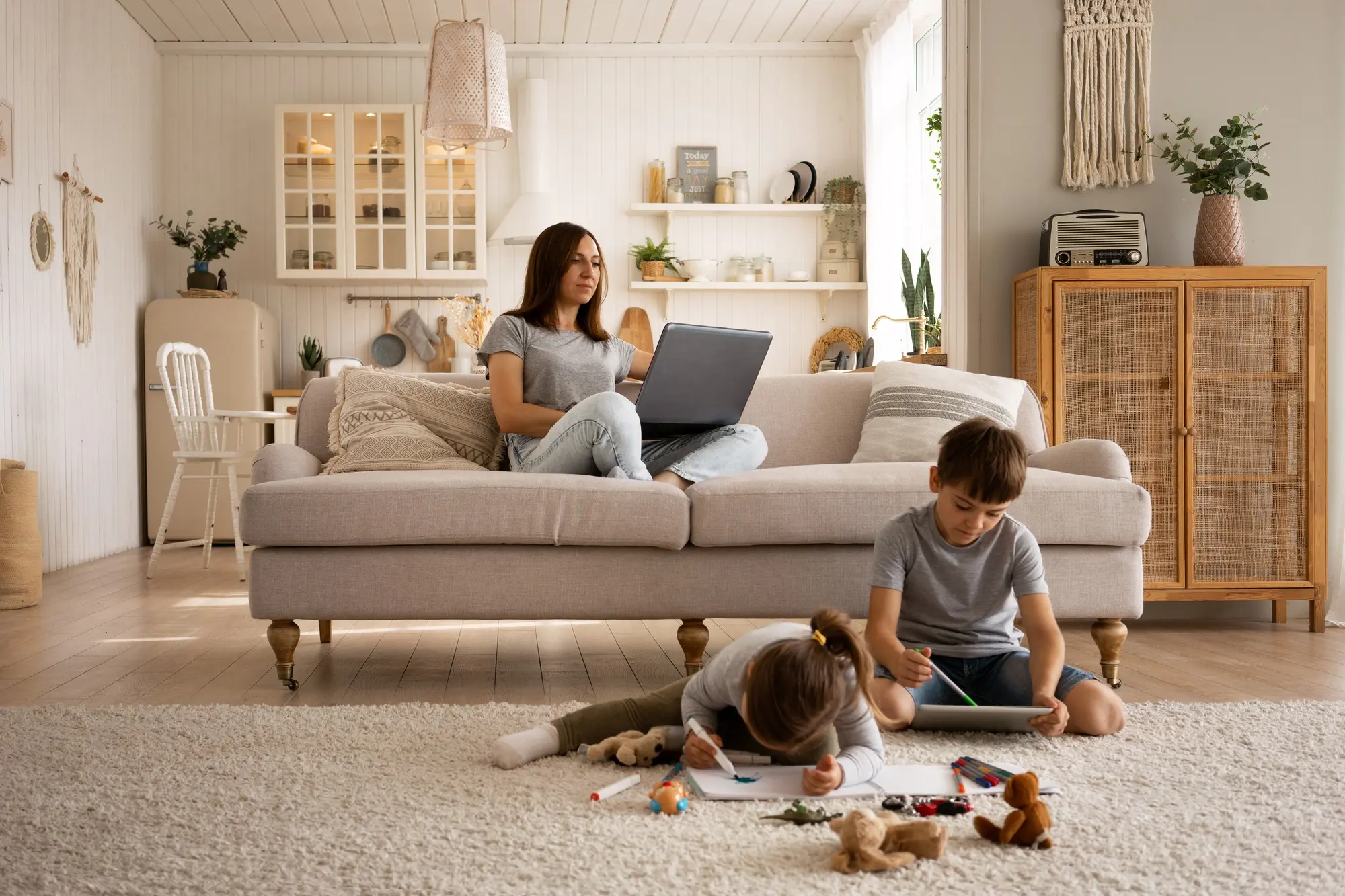
Family rooms are commonly placed near the kitchen or at the back of the home, making it easy for family members to move between cooking, relaxing, and socializing.
Living rooms are often located near the front or center of the home—sometimes facing the entry—to create a welcoming impression for visitors.
How to Use Both Spaces in Modern Homes
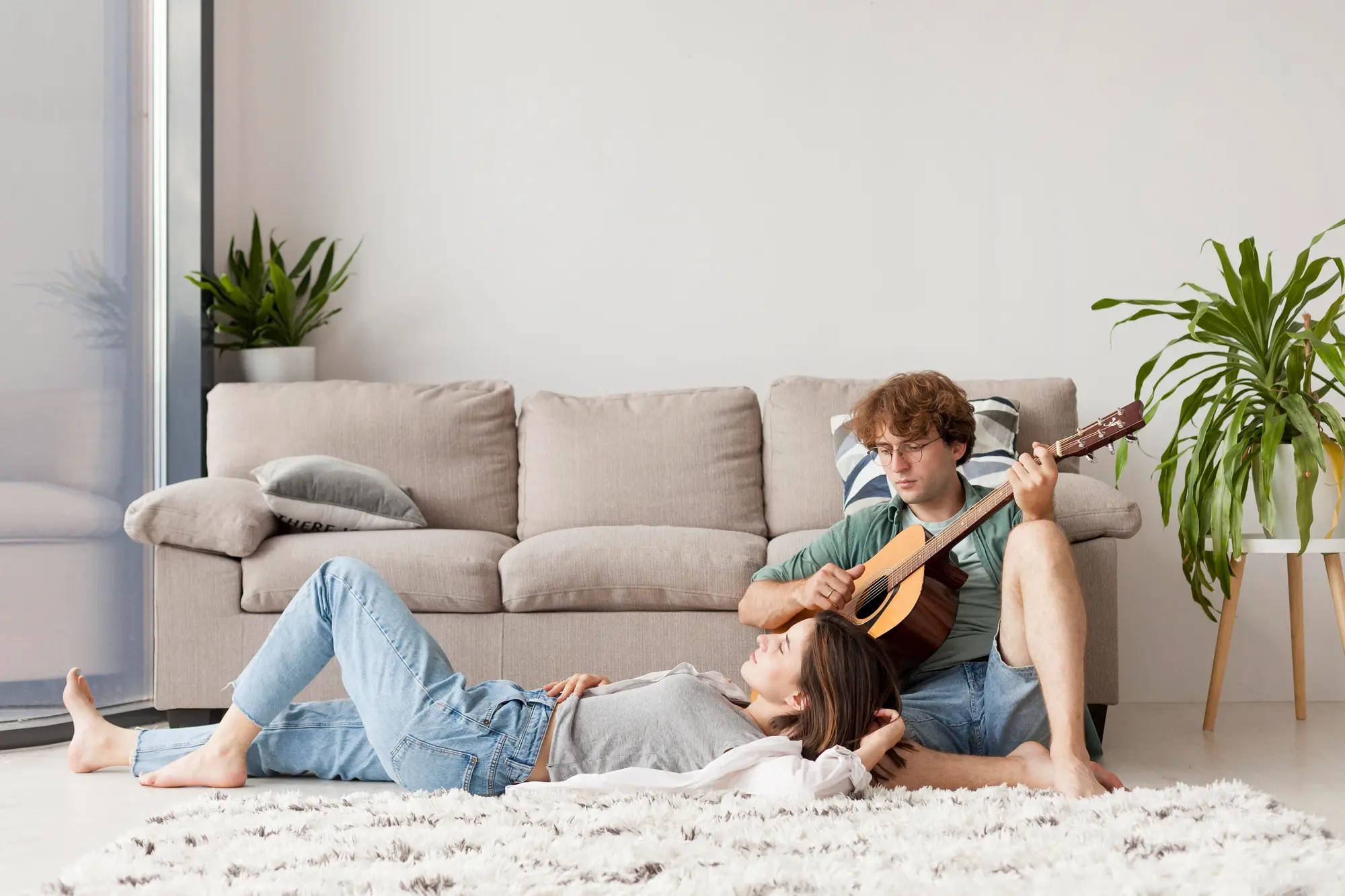
Many newer homes include both a family room and a living room, and each can serve a unique purpose when used intentionally. The key is deciding how your household truly lives day-to-day.
Make the Family Room the Everyday Hub
Most families turn the family room into the main hangout zone. It’s the perfect spot for:
Movie nights
Gaming and streaming
Lounging and napping
Kids’ play and homework
Casual conversations
With durable fabrics and cozy seating, this room absorbs the energy of daily life without feeling precious or off-limits.
Use the Living Room for Hosting & Quiet Moments
While less casual, the living room doesn’t need to feel stiff or old-fashioned. Today, many homeowners use it for:
Welcoming guests
Reading or relaxing away from screens
Displaying art or décor
Small gatherings and conversations
Holiday or formal entertaining
It becomes a breathing space that feels elevated but still approachable.
Divide Activities to Reduce Clutter Overload
Using both spaces effectively can also help keep the home organized. Toys, remote controls, blankets, and electronics can live in the family room, while the living room stays visually calm and put-together.
Think About Flow & Layout
If the family room connects to the kitchen, it naturally becomes the social hub. The living room—often closer to the entry—sets the emotional tone of the house.
This clear zoning helps every space have a job, making the home more functional without feeling crowded.


 English
  Arabic
  Spanish
  Japanese
  Russian
  Korean
  French
  Italian